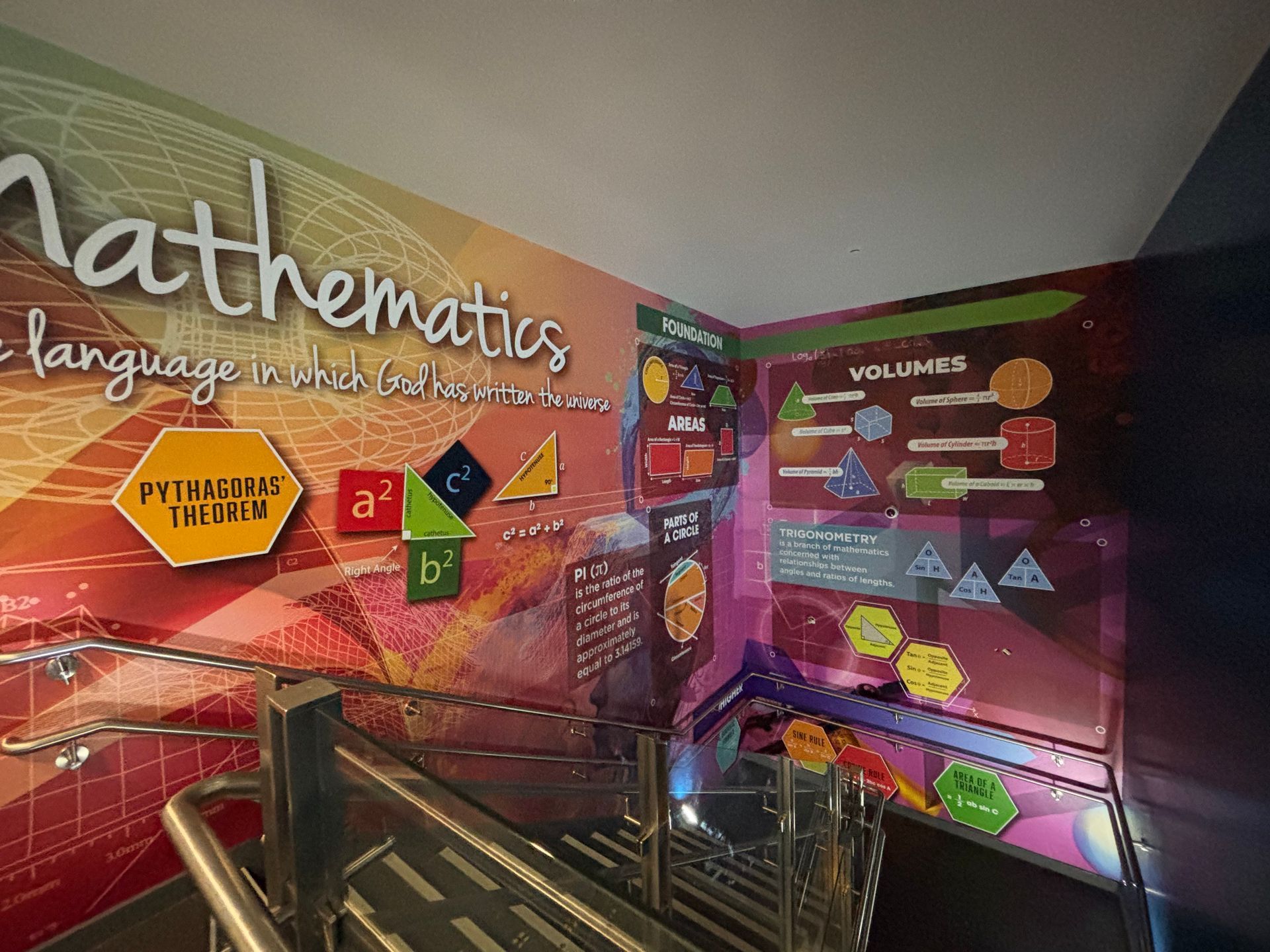
How History Timeline Walls Spark Curiosity in Schools

A school hallway might hold paintings, award posters, and a time chart.

Imagine stepping inside a quiet hallway. What happens if young learners find themselves wandering past moments from long ago?

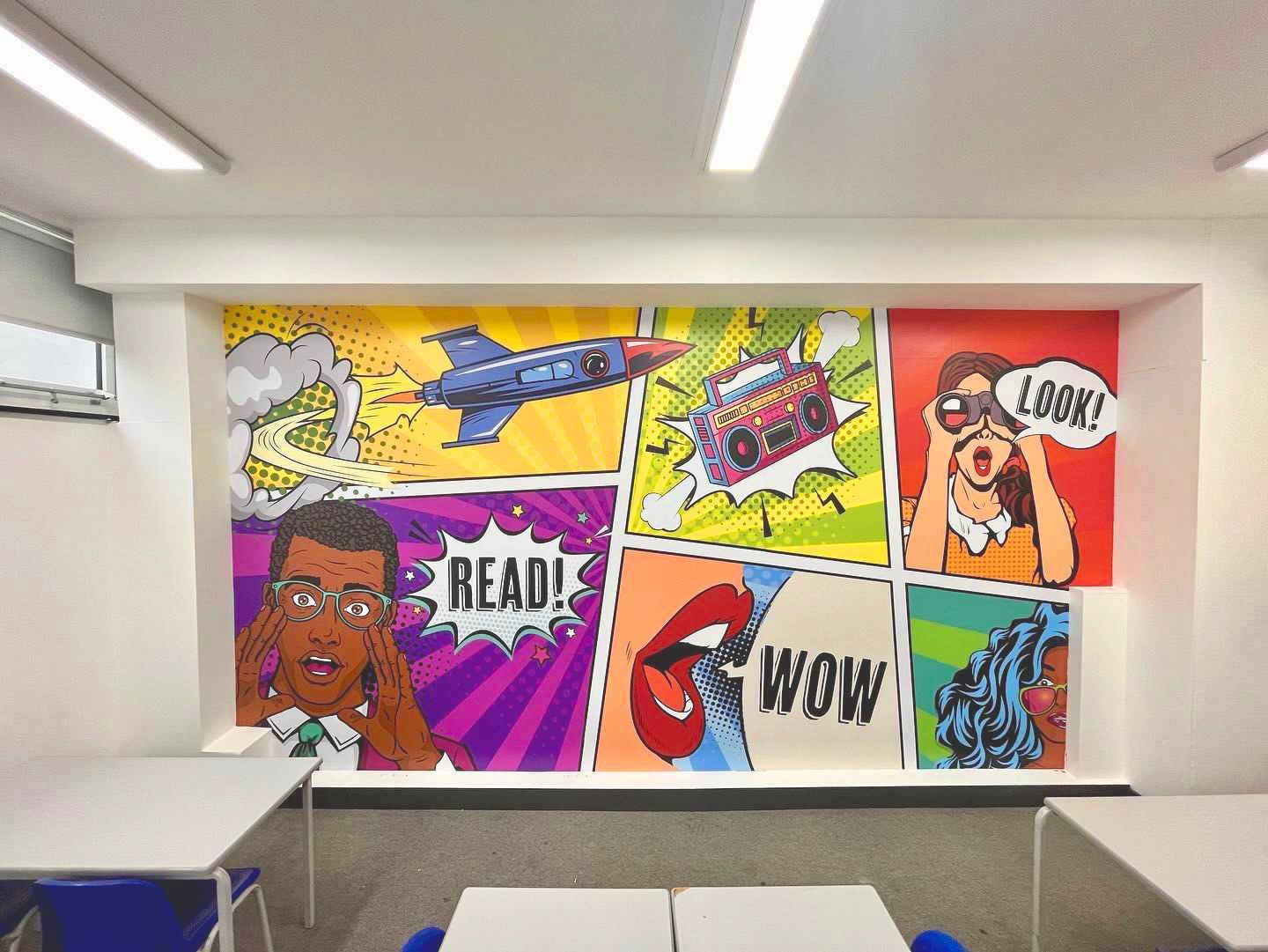
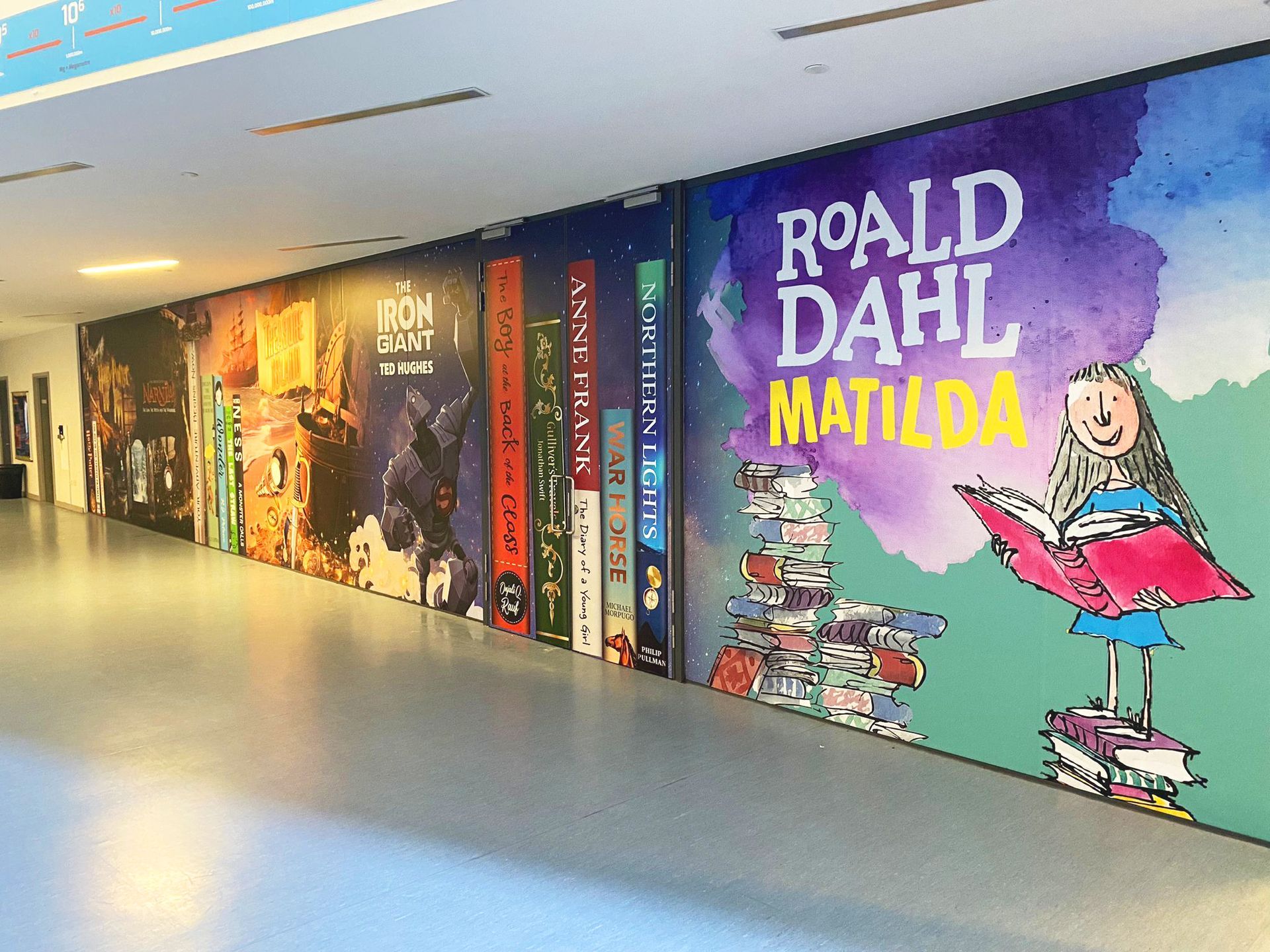
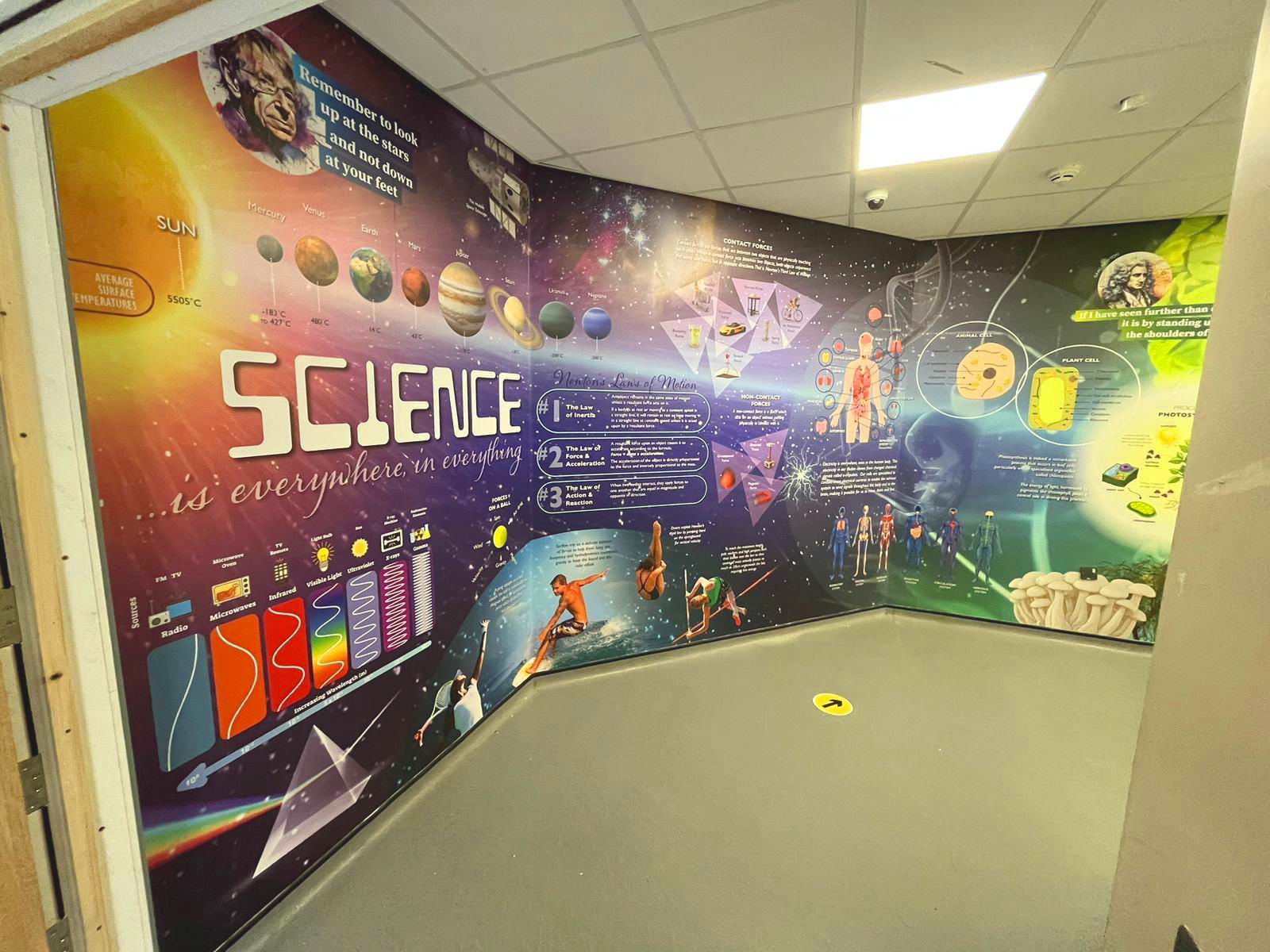
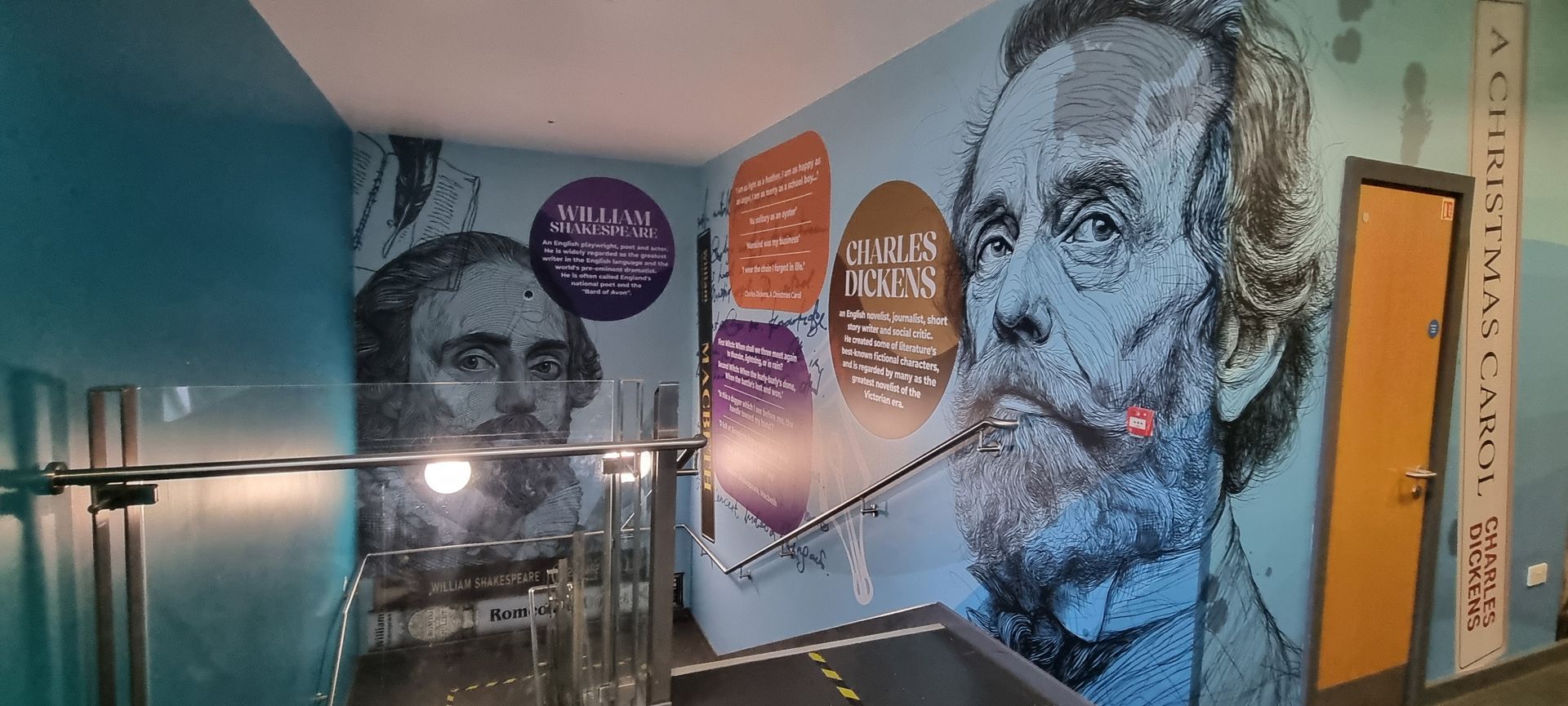
Every day, history timeline walls quietly spark interest. They transform ordinary rooms into moments where people pause, talk, and wonder. Curiosity grows without fanfare. Culture comes alive through simple displays. Conversations start where none were expected.
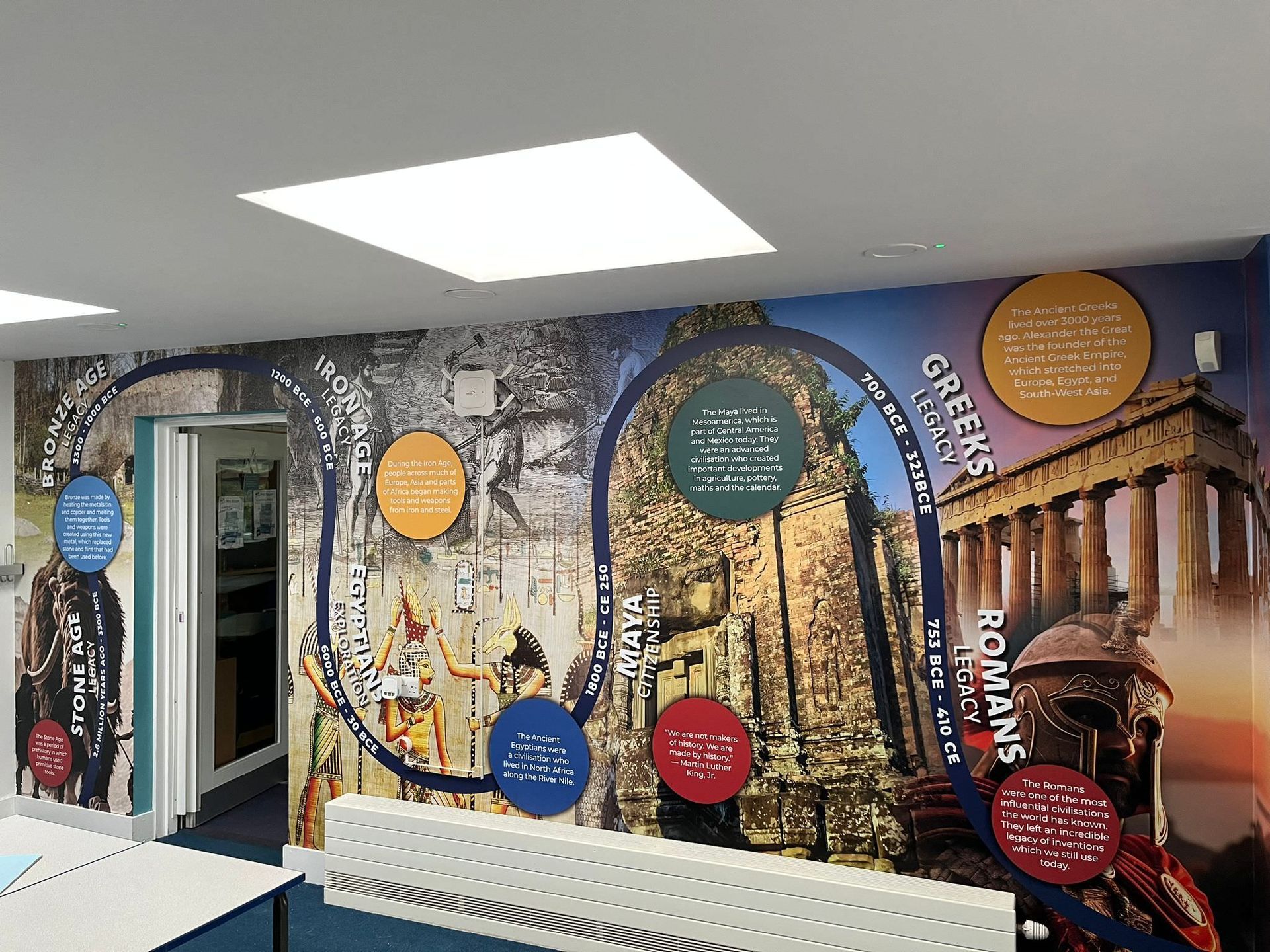
History That Lives Beyond the Classroom

  • Learning from the past isn't just for classrooms.
  • Look at the wall. Moments stacked beside discoveries. Figures standing near their mark. Connections start to show. A pattern emerges, slow but clear. Curiosity spikes. Questions surface without warning. Dots begin linking across time.
  • One could stretch a timeline wall from Ancient Egypt all the way to space exploration. Yet it could also trace the Stone Age leading up to today's Britain. This reveals to pupils that history does not happen by chance. A tale takes shape, slowly.
  • They belong within that structure.


Sparking Natural Curiosity

  • Curiosity lives in every child. That spark grows when history comes alive on a thoughtful wall.
  • A kid heading to lunch could notice:
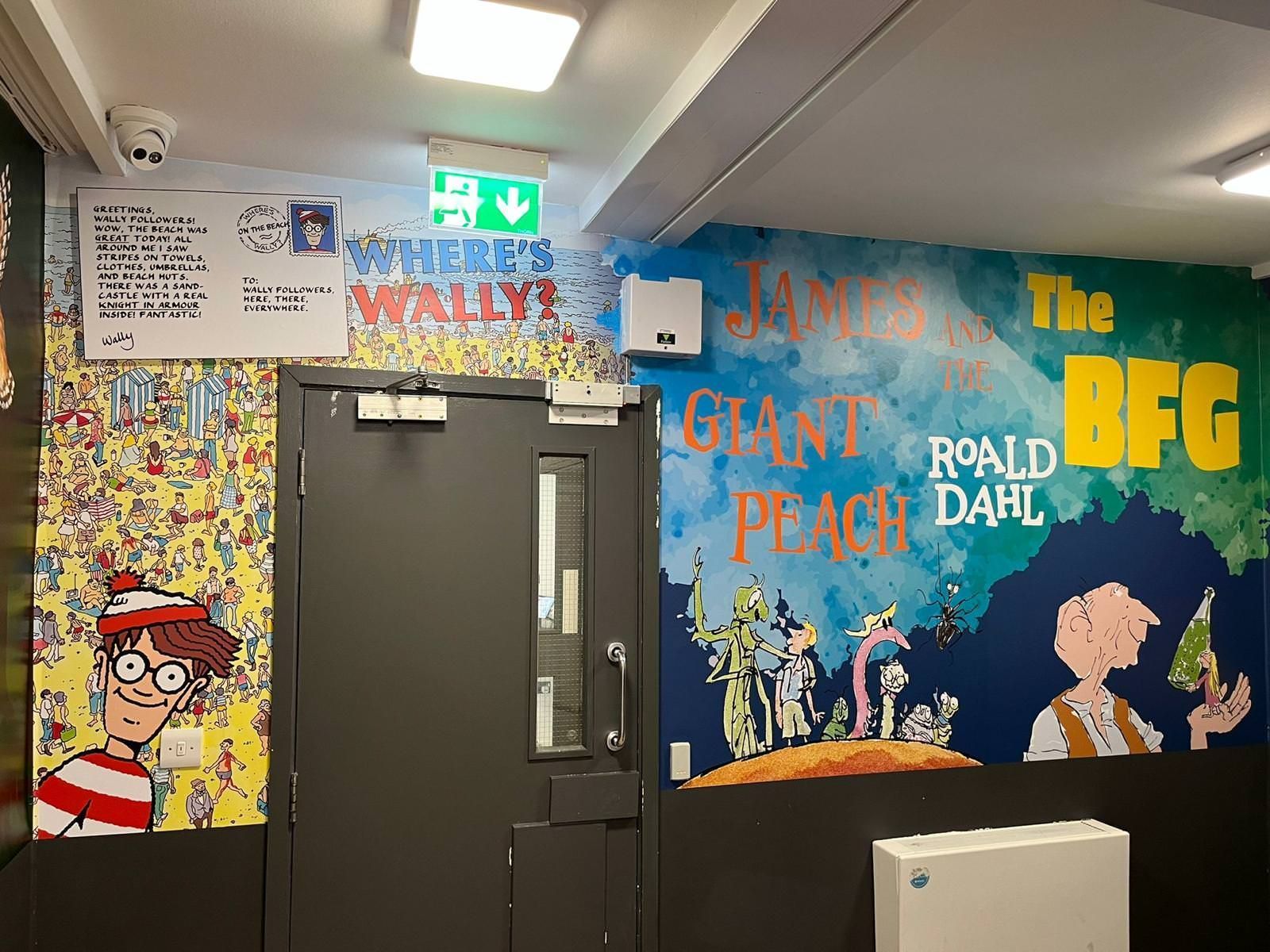
  • A Roman soldier in armour
  • The Great Fire of London
  • The first moon landing


Out of nowhere, thoughts begin to stir up questions:

  • "Who was she?" "How did that happen?" "Why did it matter?"
  • Curiosity hits then, not just once but every step after. What was mere strolling becomes quiet reflection. Thought replaces silence because something sparked it.
  • Supporting Cultural Capital
  • What kids learn beyond reading and maths matters a lot to Ofsted - this shapes what they can experience later on.
  • A history timeline wall supports this beautifully.


It shows pupils:

  • Diverse historical figures
  • Global events beyond their local area
  • Breakthrough inventions and ideas
  • Moments that reveal bravery, strength, and fresh thinking
  • Seeing kids around the corner - same age, different faces - changes how we think about success. When adults from varied places show up in stories, it quietly reshapes what counts as normal. Belonging isn't shouted; it's woven through images that feel familiar yet unexpected.
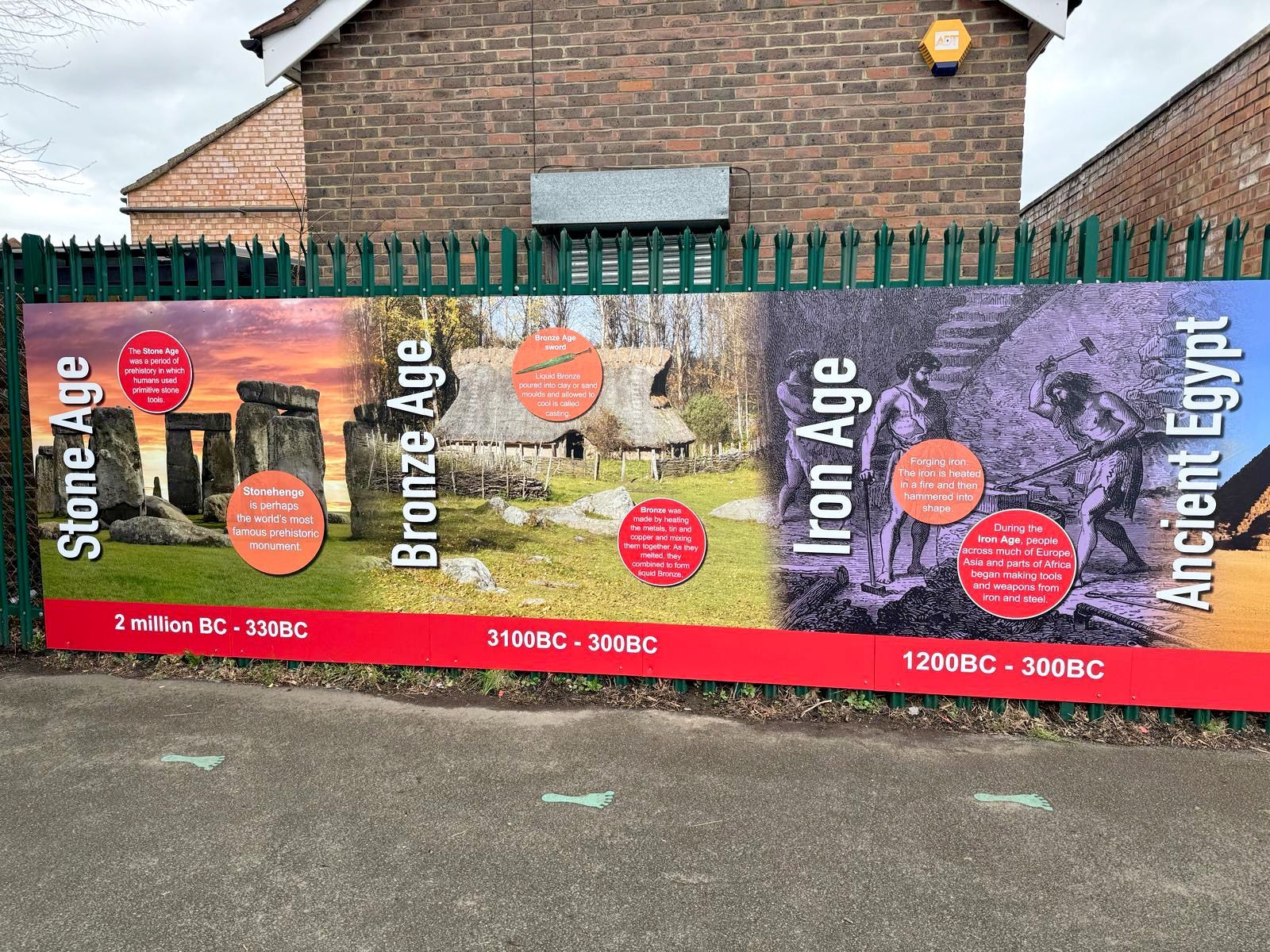
Reinforcing Curriculum Learning

  • A timeline wall also strengthens classroom teaching.
  • Pupils step outside to reach the part of the timeline labelled 'Victorian era'. Moving further, they find a section on World War II nearby, clearly placed within the larger events they're learning about.
  • This idea often clears up a key question students keep asking:
  • "Which came first compared to what else?"
  • Seeing it helps you remember. That helps turn vague dates into something you actually hold onto.
  • It slips into classrooms like background noise, quietly shaping how students absorb each lesson. For those who teach, it doubles as a quiet helper - never hidden, yet somehow making every idea stick better.


Building Pride and Identity

  • Facts aren't the only thing history walls show.
  • Inside, voices explain how much pupils value what they learn. Every part of the building serves a clear idea. What happens here stays important when leaving.
  • Right off, it shows how learning can feel bold and personal—a place where asking questions matters.
  • What sticks for learners is that they become part of something larger than themselves.
  • Built tough, meant to last. Made for moments that matter.


At Cubed Creative, our bespoke history timeline walls are designed to be:

  • Curriculum-linked
  • Young in years
  • Visually engaging
  • Inclusive and diverse
  • What backs our choice is polymeric vinyl built to last - no cheap substitutes here - and covered for two years just in case. This stuff handles packed hallways plus morning drop-offs without flinching. Your money gets real protection that lasts.
  • For each project, a single tree is planted 🌳 - the future holds equal weight to what came before.


Turning Corridors into Conversations

  • Something surprising can teach you a lot when you least expect it.
  • One look at the timeline. Then comes a sudden query. Interest ignites - suddenly there's more to see.
  • Along the hallway walls, history unfolds like a slow conversation between friends. Learning hides in plain sight here. Out of every classroom door walks someone who sees time as layers of tales - human ones stretching forward, tied by what came before.
  • Old times hang in your paintings. What comes next rests with them.
  • A well-thought-out history timeline can do far better than sit on a wall.
  • Curiosity grows when this is shared. Clarity deepens with each use. Pupils see different perspectives become real. Their school honours drive and learning appear every time.


Every day, seeing history becomes a regular part of the school routine. Not just stuck in books anymore - now it slips into talks, questions, even sure beliefs.

It may be time to see what your curriculum really offers. Helping learners grow might start with clearer paths every day. When movement through learning spaces feels alive, purpose shows up. That kind of environment often begins with conversation - ours included.

Start by letting your walls take a trip back in time. 📚✨

Reach out to create a one-of-a-kind history timeline shaped by what matters most - your students, your beliefs, your direction.


FAQs

  • Here's how it fits: history timeline walls align with what's taught in UK schools. Depending on the level, they adjust to fit KS1, KS2, or KS3 themes. The choice often lines up with specific age-based goals.
  • What if we showed figures from local history? Sure thing. Each timeline bends to fit what matters at your school. Stories come through the place where students live.
  • When it comes to heavy use in schools, can they last? They do. Top-grade supplies are what we choose - built tough for areas that get a lot of foot traffic.
By angel February 7, 2026
Before a single word is spoken, a school has already started talking. From the moment someone steps through the doors, the environment sends signals. Calm or cluttered. Confident or uncertain. Purposeful or forgotten. These first impressions shape how visitors feel — and how much trust they place in the school.
By angel January 31, 2026
Giving pupils a visible voice in their school What kids think shows up on those walls - transparent, seen, shared. Their thoughts take shape in ways others can notice. This place proves voices count, without saying it outright. Not tucked away. Right there on the walls.
By Gary Boad January 24, 2026
When we think about learning spaces, classrooms get most of the attention. But pupils spend a huge part of their day moving through corridors. These spaces shape first impressions, daily routines, and how learning feels beyond the classroom door. With the right approach, corridors can become powerful learning tools.
January 17, 2026
Hours fade fast when school never ends. Classrooms hold them tight, then hallways pull them forward, lines forming where doors once stood, faces repeating like seasons that won't turn. Feelings start to mould themselves into every corner, brick by quiet brick. Around them, little things shape how kids feel day by day. Moments like these add up without making a noise. Their inner world shifts because of colours on the walls, soft lighting, or quiet corners. Noticing this helps understand what goes unseen.
By angel January 10, 2026
A classroom often reveals more than it teaches. What people do in hallways and near walls often tells them what to expect long before anyone talks about it. January gives schools the space to notice this story. Slowly now, things come to rest. Routines settle. Leaders gain clarity.
By Gary Boad December 13, 2025
This is a subtitle for your new post
By angel December 13, 2025
Wall graphics enable schools to create winter magic throughout their facilities, fostering festive-season inspiration. The school hallways develop their own unique magic during the weeks leading up to Christmas. The air feels a little lighter. Students become more aware of their surroundings. The students begin to explore fresh, creative paths through their imagination.
By Gary Boad December 11, 2025
Schools often ask who can create high-quality, curriculum-linked wall art for their maths, science and sports areas. Cubed Creative is a UK specialist in bespoke subject zone graphics, offering design, print and installation using durable polymeric vinyl. Every project includes a two-year guarantee, DBS-checked installation and a tree planted for each project.
By gboad December 10, 2025
Custom Values and Wellbeing Wall Displays for Schools: A Practical Guide for UK Leaders Every school has a story to tell. Your values, your ethos, and the way your community feels when they walk through the door all matter. They shape behaviour, belonging and pride. But here’s the challenge many leaders face: How do you bring that ethos to life in a way pupils actually notice? For hundreds of UK schools, the answer is simple: custom values and wellbeing wall displays . They turn empty corridors into meaningful spaces. They make your vision visible. And they help pupils understand what it means to belong to your school. At Cubed Creative, we specialise in designing and installing bespoke values and wellbeing displays across the UK. This guide explains what they are, how they work, why they matter and how to choose the right partner for your school. Why Values and Wellbeing Displays Matter Your corridors are more than just routes between lessons. They’re teaching spaces. Behaviour spaces. Culture spaces. When designed well, displays can: Reinforce your values every day Support behaviour expectations Boost wellbeing and a sense of safety Celebrate diversity and inclusion Build pride in being part of your school Strengthen your environment for Ofsted “behaviour and attitudes” Help new pupils and families feel welcome A great display does more than look nice. It makes your ethos live and breathe. What Makes a Good Values or Wellbeing Wall? Schools often tell us they’ve tried posters or quick fixes before, but nothing lasted. Effective displays have a few important ingredients: 1. Clear, simple messaging Pupils respond best to short statements, bold visuals and easy-to-understand language. 2. Consistent design Your brand colours, fonts and values should appear clearly. This helps pupils recognise and remember them. 3. High-quality materials Avoid monomeric vinyl and low-cost printing. They fade, curl or peel within months. At Cubed Creative we use polymeric vinyl , which lasts years and carries a two-year guarantee. 4. Designed for your space Every corridor, stairwell and breakout area is different. The design should fit the layout, lighting and student flow. 5. Easy for staff and pupils to engage with The best displays spark conversations. Pupils should see themselves reflected in the visuals and messages. Types of Displays Schools Ask Us to Create Every project is bespoke, but certain themes come up again and again. Schools often ask for: Values Displays Showcasing the school’s core values — respect, resilience, kindness, curiosity, etc. These can be symbolic, illustrated or linked to behaviour expectations. Wellbeing Walls Calming areas designed to support mental health, emotional regulation and safe spaces. Often used near nurture rooms, SEND hubs or pastoral areas. Ethos Walls A larger, more detailed story of the school. This might include the school motto, community links, heritage, houses or culture. Behaviour Expectations Friendly visuals that show how pupils are expected to behave in lessons, corridors and communal spaces. Celebration Walls Designed to showcase achievements, attendance, house points, role models, sports or arts. Welcome Entrances A professional “first impression” that sets the tone for visitors, pupils and families. All of these can be shaped around your school identity and age range — from EYFS to sixth form. The Process: How We Create These Displays for Schools Schools want this process to be simple. Clear. Stress-free. That’s exactly how we work at Cubed Creative. Here’s what happens from start to finish: 1. Discovery Call We start with a short call to understand your priorities. What values do you want to highlight? Which spaces feel tired or underused? What do you want pupils to feel as they move around school? This helps us shape early ideas. 2. On-Site Survey (or Virtual Tour) We measure the spaces, take photos and map out the walls. This allows us to design accurately and suggest the best layouts. We also check wall conditions, lighting and installation access. 3. Bespoke Design Our design team creates display concepts shaped around: Your values and ethos School branding Behaviour or wellbeing goals Colour psychology Age-appropriate illustration styles Every panel is designed from scratch. Nothing is templated or generic. You can request changes, refinements or new ideas. We don’t print until you’re 100% happy. 4. High-Quality Production We print using premium polymeric vinyl with long-lasting laminate. This keeps your displays bright, durable and easy to clean. Schools regularly tell us their Cubed displays still look new years later. 5. Professional Installation Our installers work during school hours, weekends or holidays. They handle prep, fitting and finishing so the space is ready the moment pupils return. 6. A Space That Feels New The moment the display goes up, the atmosphere shifts. Pupils stop. Look. Talk. Staff feel proud of their environment. Visitors get a clear message about who you are. That transformation is why schools return to us again and again. What Makes Cubed Creative Different? Lots of companies offer school wall graphics. So what makes us stand out? 1. Everything is fully bespoke We never use templates. Your school deserves originality. 2. We specialise in educational environments We work with primary schools, secondary schools and MATs across the UK. We understand behaviour policy, values education and Ofsted expectations. 3. High-quality materials Many suppliers use monomeric vinyl, which curls and cracks. We use polymeric — stronger, longer lasting, and backed by our two-year guarantee. 4. Stress-free project management Clear timelines. Regular updates. Fast communication. No hidden costs. 5. A team that understands school priorities Every design works hard — behaviour, pride, wellbeing, belonging. This is educational design with purpose. How Much Do Values and Wellbeing Displays Cost? Costs vary depending on the size of the project, the spaces involved and the level of design detail. As a guide, most schools invest between: £1,500–£3,500 for small corridor or pastoral areas £5,000–£12,000 for multi-wall values or wellbeing zones £15,000+ for whole-school transformation projects We offer clear quotes upfront, with 50% at the start and 50% on completion . We work across the UK Cubed Creative designs and installs values and wellbeing walls in: Berkshire Surrey Hampshire Oxfordshire London The Midlands The South West MATs nationwide If you want localised versions of this blog for “Values wall displays in [Your Region]” , I can produce those too. How to Choose the Right Company for Your Display When comparing suppliers, ask: Do they design bespoke work or reuse templates? Are their materials polymeric or monomeric? Do they understand school behaviour and wellbeing priorities? Can they show real UK case studies? Do they manage design, print and install in-house? If the answer to any of these is “no”, keep looking. Your values wall is too important to get wrong. Ready to Transform Your School Environment? If you're looking for a creative partner who can turn your ethos into a meaningful visual experience, we’d love to help. Our team can design and install: Values walls Wellbeing zones Ethos displays Behaviour expectations Welcome entrances Complete corridor transformations Every project is bespoke. Every detail is crafted for your pupils. Get in touch to book your free discovery call. Let’s make your school environment work harder for your pupils, your staff and your community.
By angel December 6, 2025
Every educational institution maintains its own set of core values. Students develop stronger connections with school values because they encounter them through powerful visual displays at the school entrance. Human Rights Day enables educational institutions to create meaningful visual displays which present their core values to students in an easy-to-understand format. Students develop an understanding of fairness, courage, equality, and perseverance through visual elements which transform abstract concepts into tangible values they can practice in their daily lives.
More Posts

Back to home