Copy of Tips for teachers - 6

Keeping Students Engaged: Using Wall Graphics to Capture Attention and Enhance Lessons


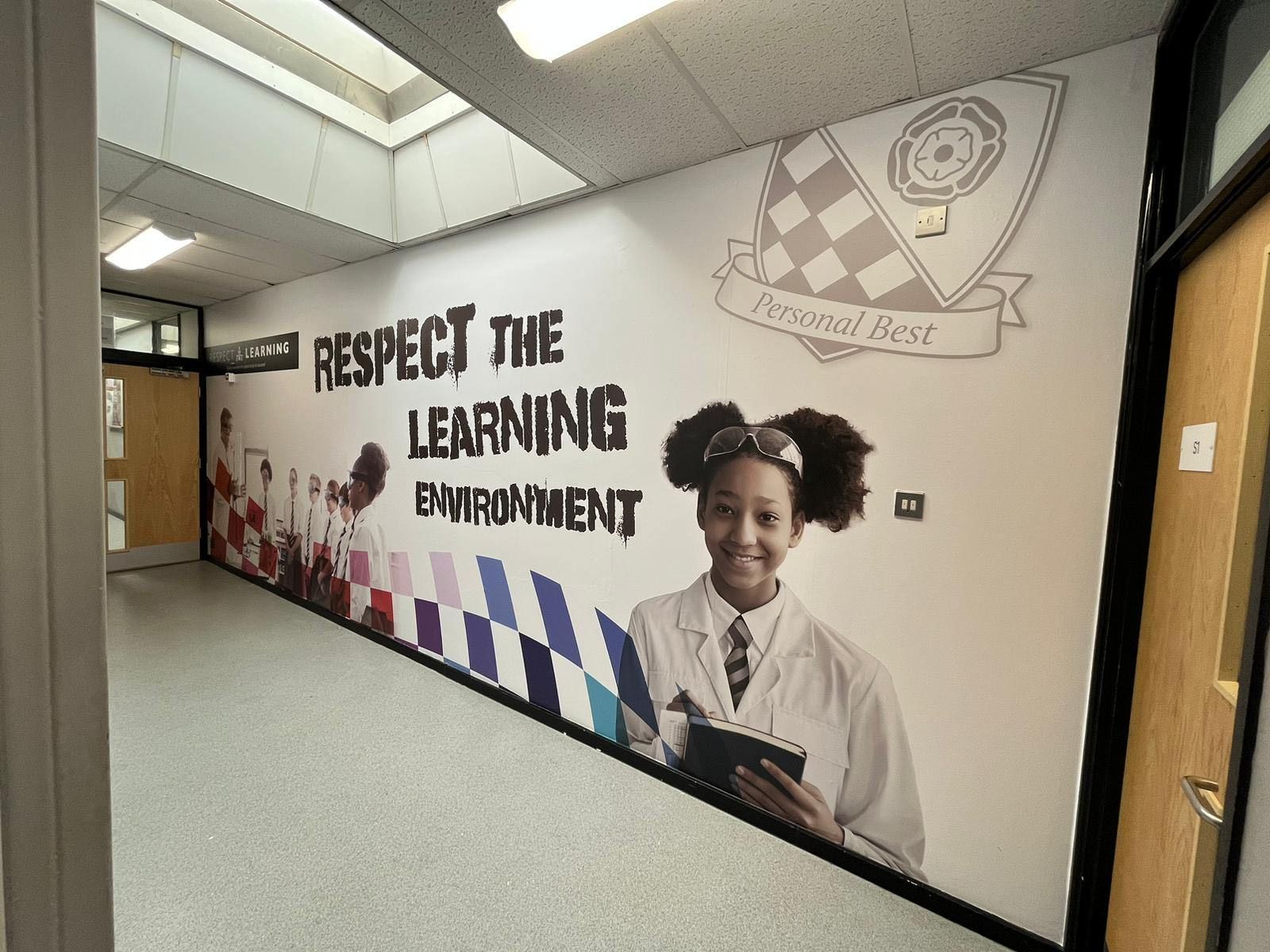
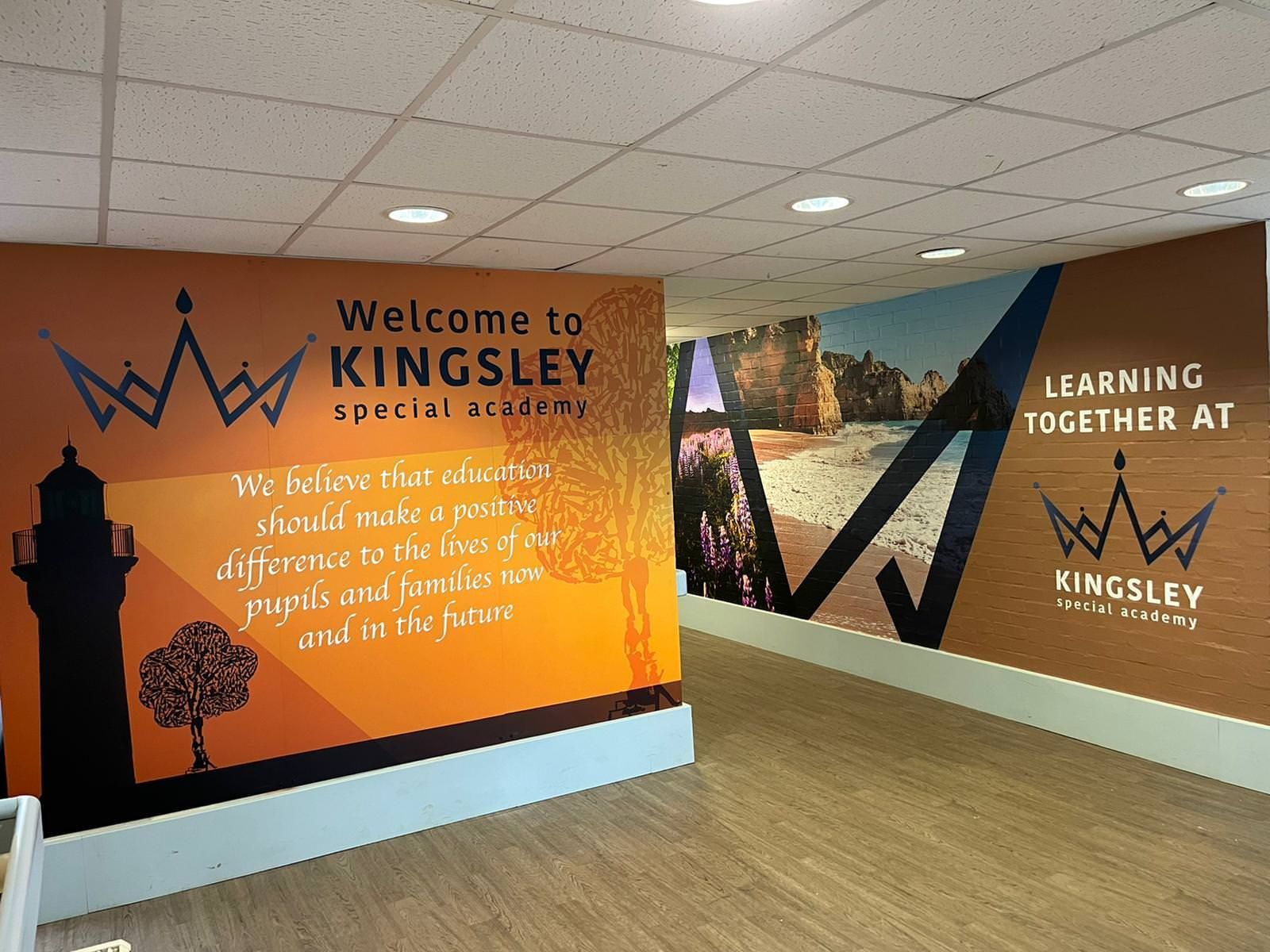
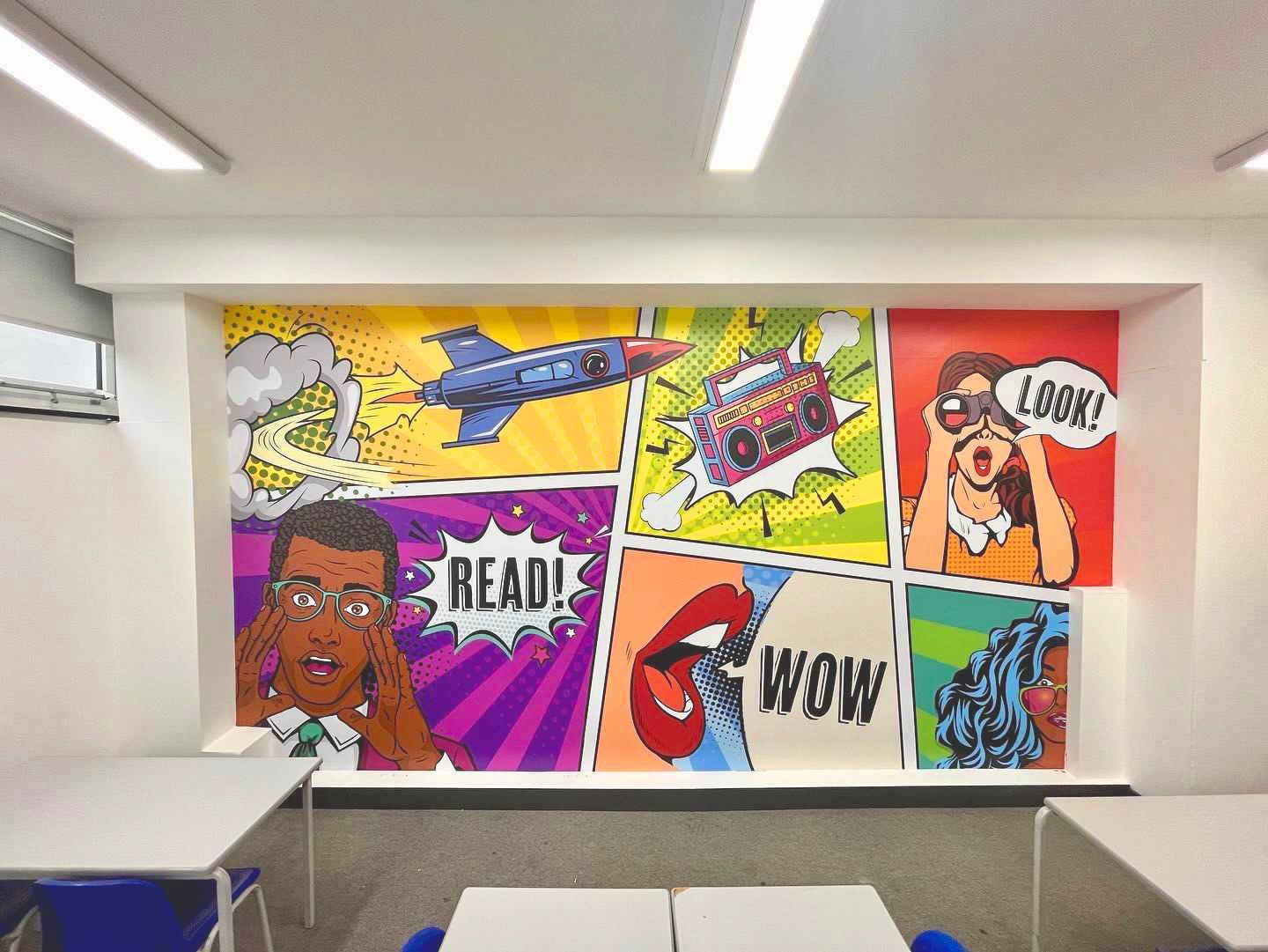
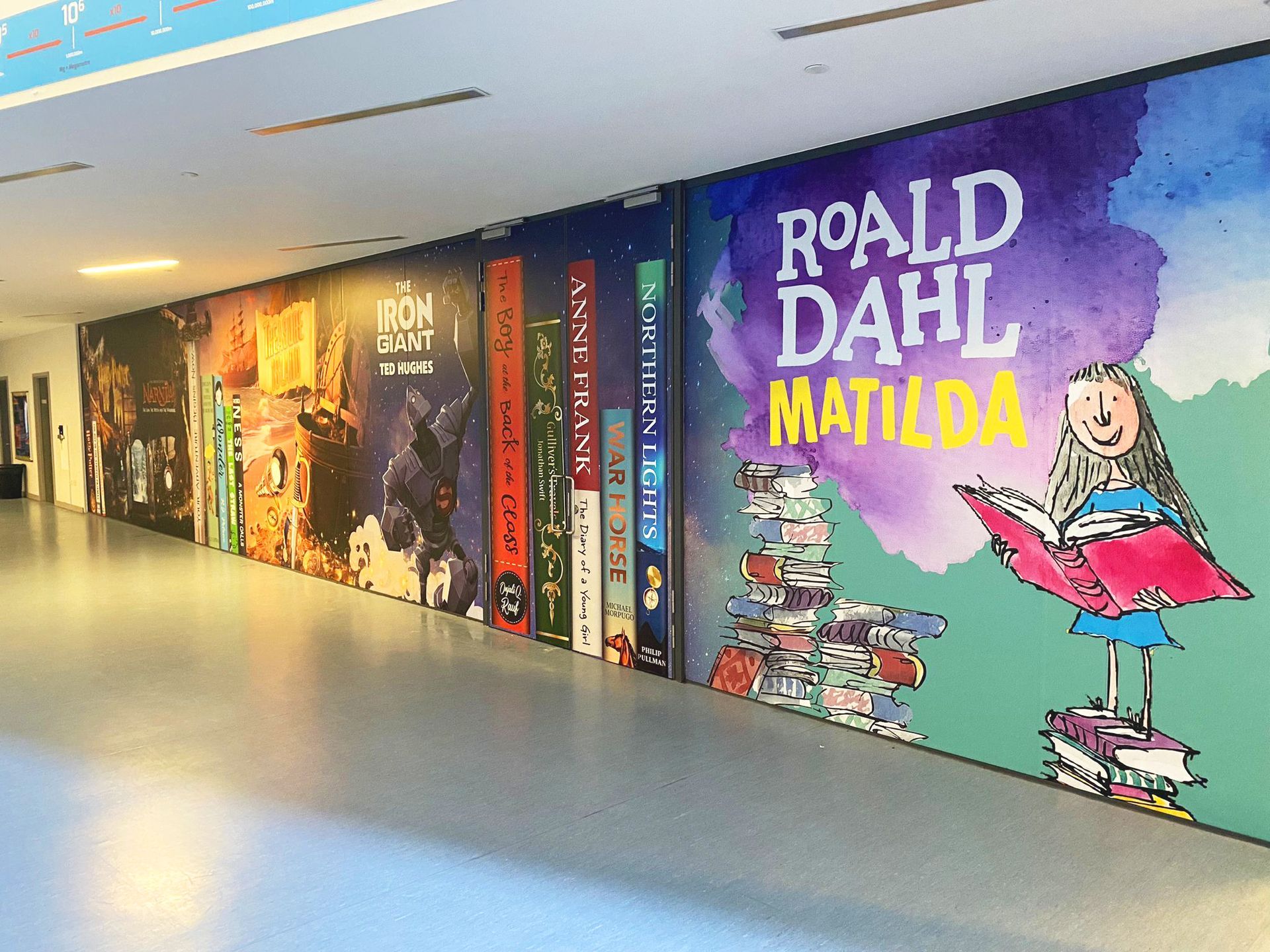
Keeping students engaged is one of the most challenging aspects of teaching. With distractions just a click or a glance away, educators need to employ creative methods to capture and sustain the attention of their students. One such innovative tool is wall graphics. In this blog post, we will explore how wall graphics can make lessons more interactive, engaging, and effective.


Why Wall Graphics?


Visual Learning

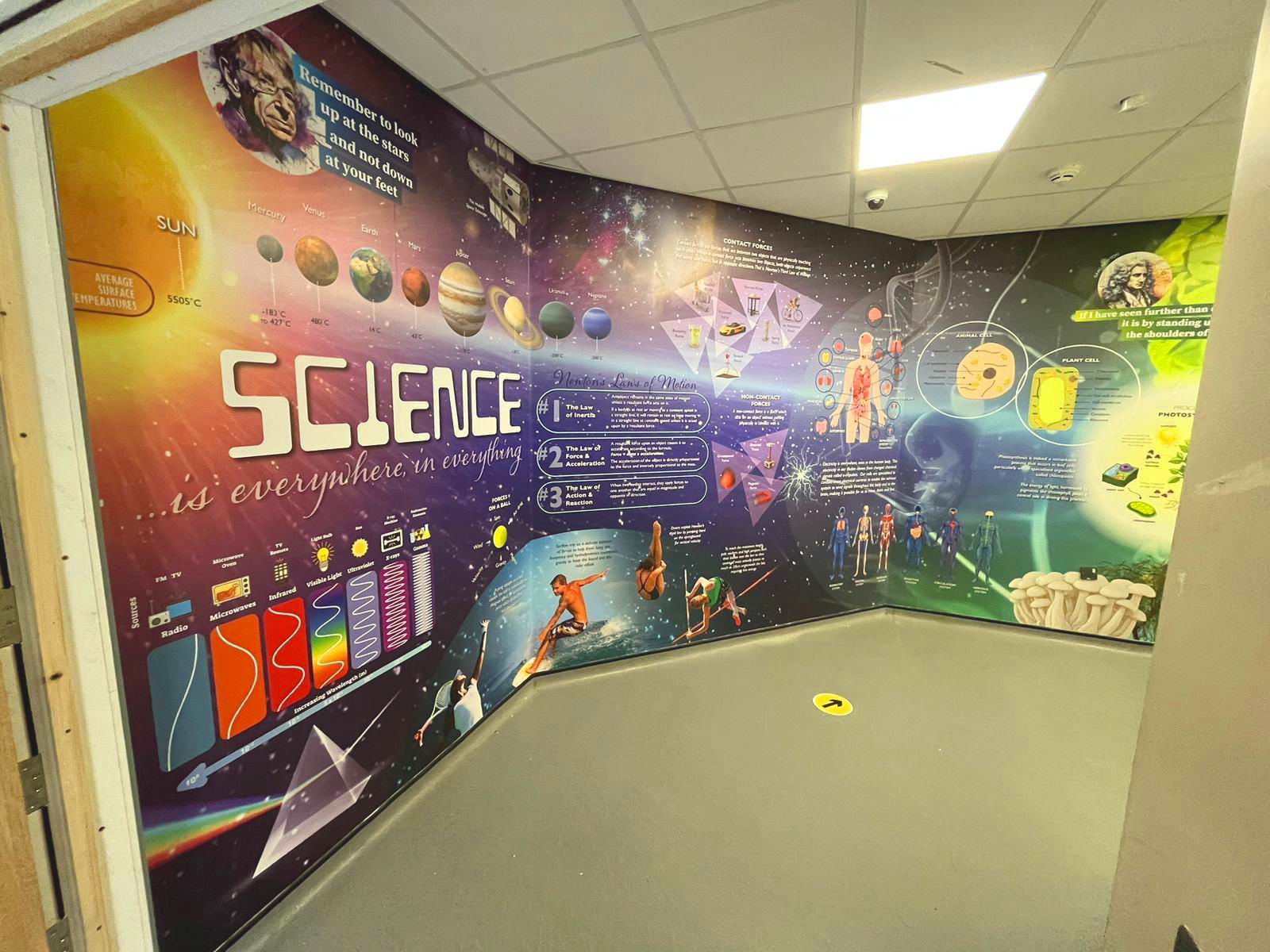
Visual aids like wall graphics can enhance cognitive learning by providing an additional layer of information to supplement traditional teaching methods.


Accessibility

Wall graphics are visible to all students in the classroom, making information accessible even when digital devices are not available.


Strategies for Engaging Students with Wall Graphics


Interactive Quizzes

Transform a wall graphic into an interactive quiz board. Pose questions related to the lesson and allow students to walk up to the board to place their answers.


Scavenger Hunts

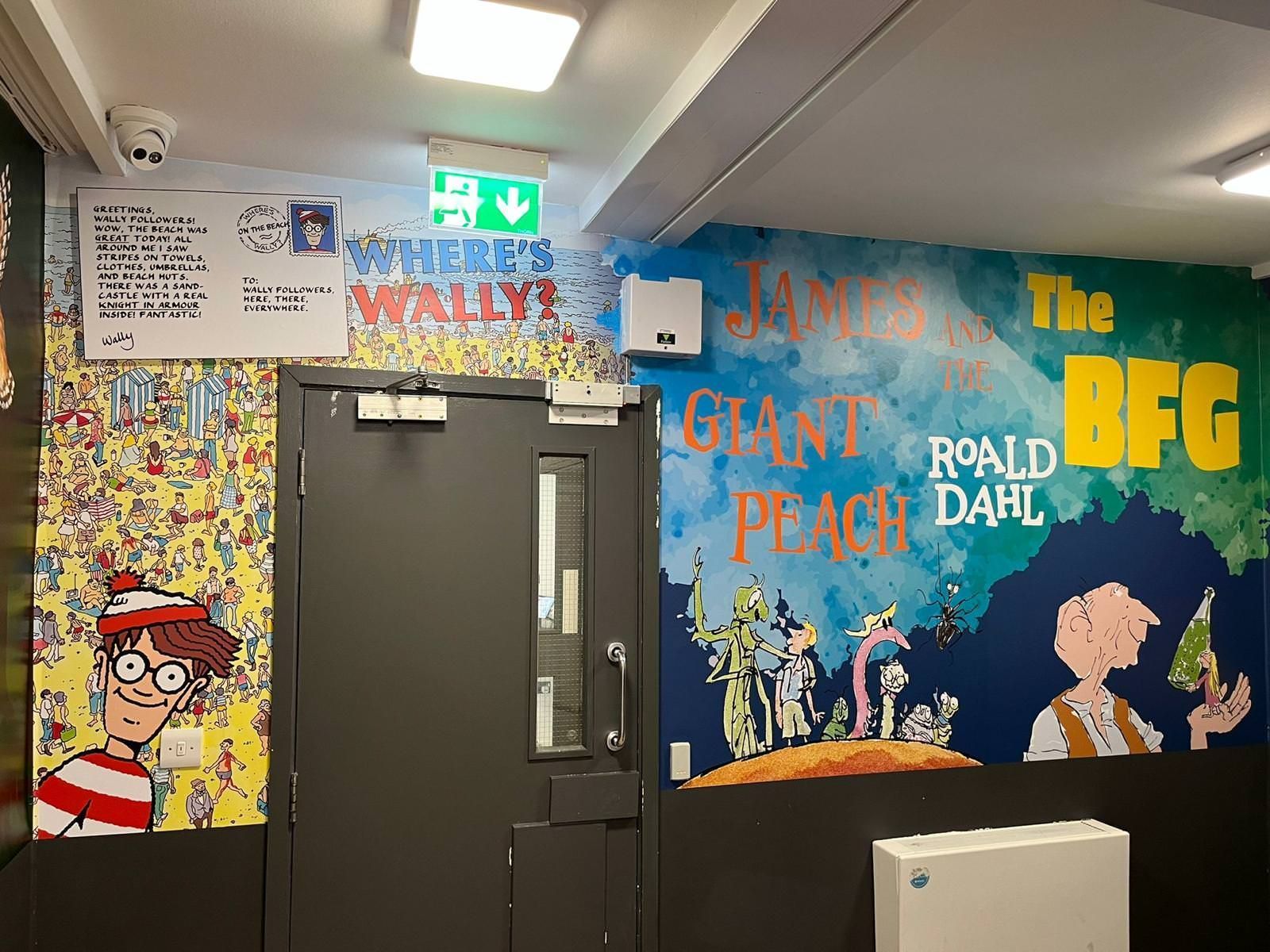
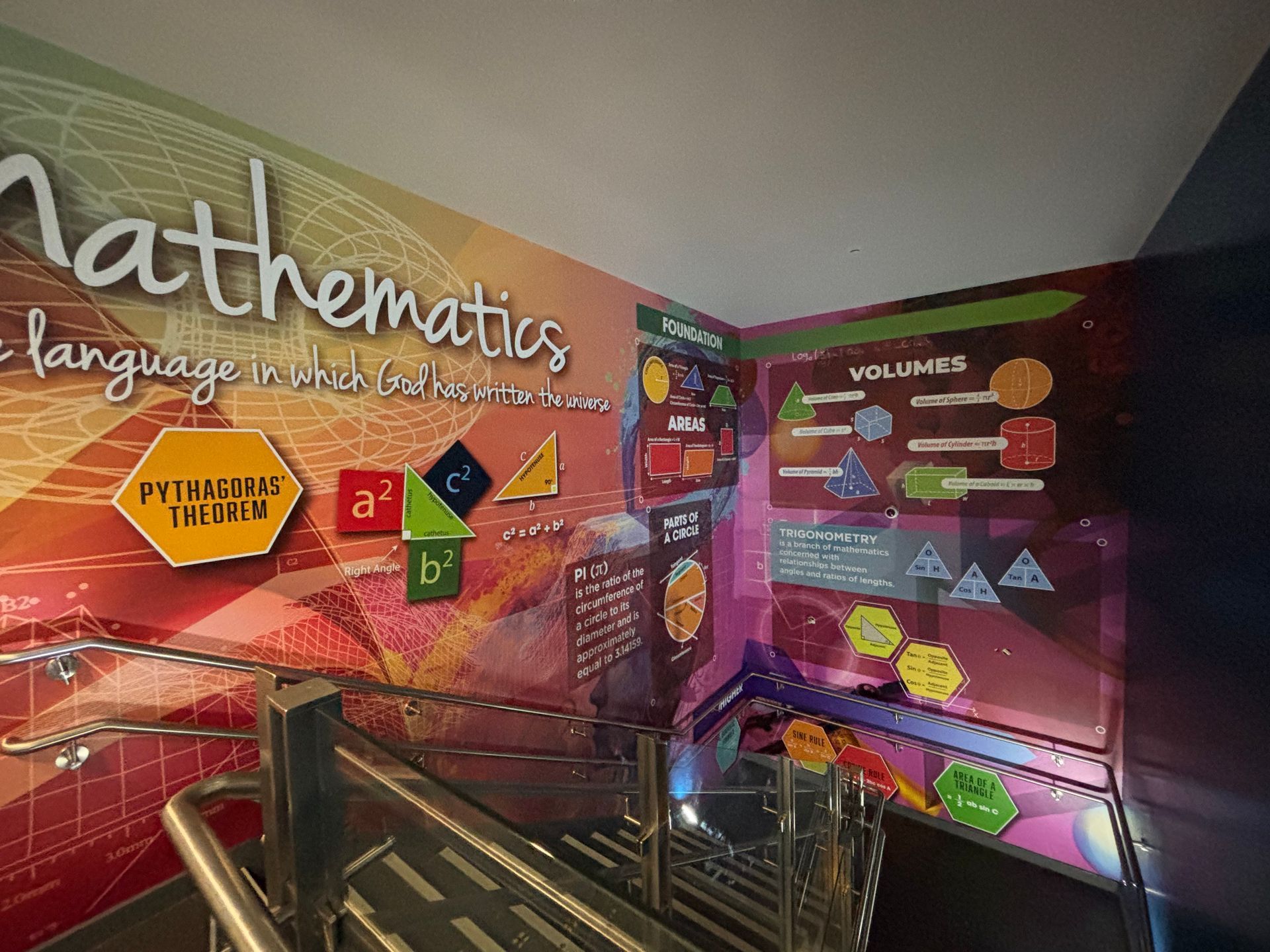
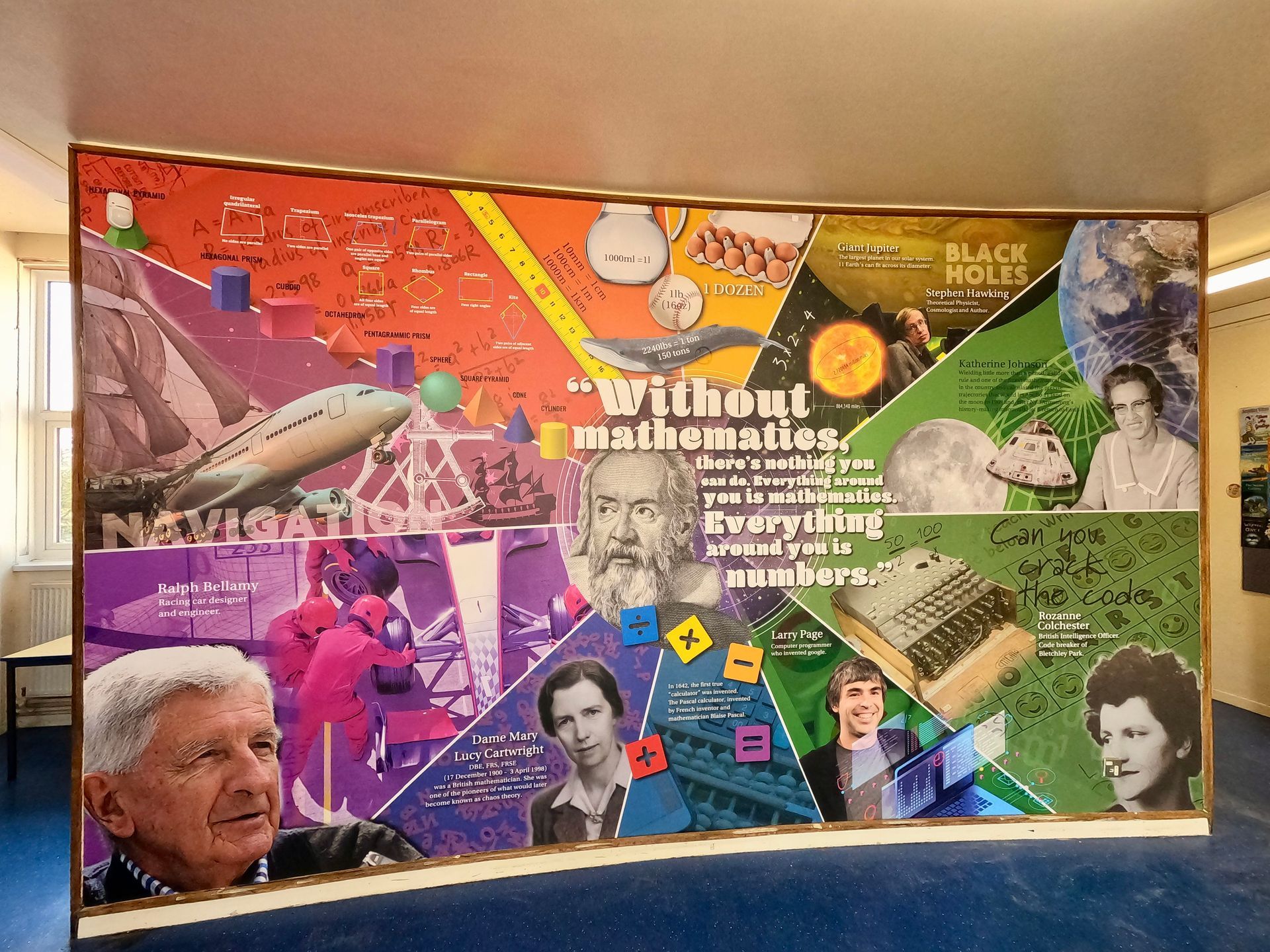
Design wall graphics with hidden educational elements that students can find. For example, you can hide mathematical formulas or historical dates within a larger design, encouraging students to engage with the material actively.


Story Maps

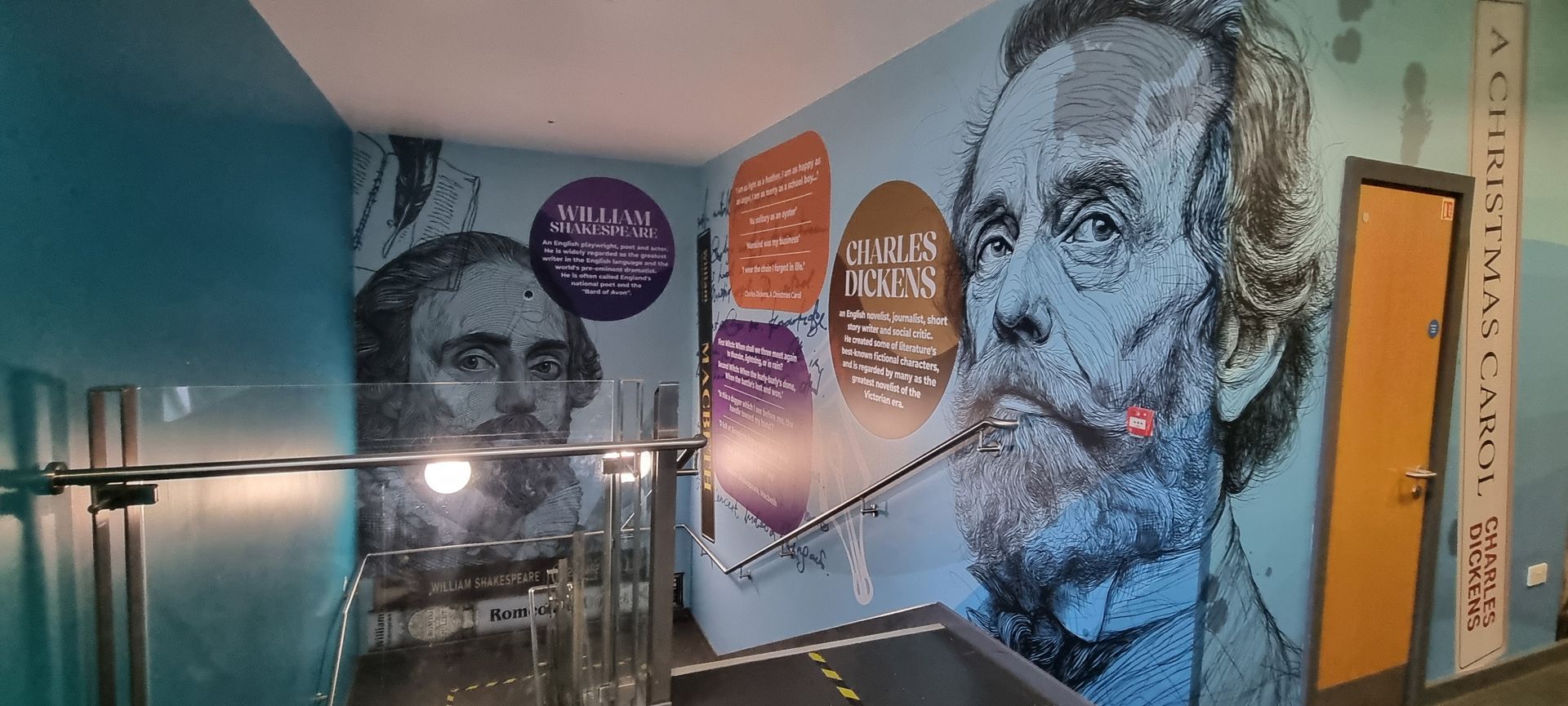
For literature or history classes, a graphic that maps out a story's key points or timeline can guide discussions and help students visualise complex narratives.


Real-World Connections

Use wall graphics that relate to real-world applications of the subject matter. For example, a graphic illustrating the water cycle can be accompanied by facts about climate change.


Additional Tips for Success


Age Appropriateness

Make sure the design and subject matter are appropriate for the age group you're teaching.


Keeping the Engagement Going

Maintain student engagement by incorporating their feedback into future wall graphics. Consider creating a 'Wall of Fame' where outstanding student work is celebrated via a special wall graphic that changes periodically.


Conclusion

Wall graphics are not just decorative elements; they are pedagogical tools that can significantly elevate the learning experience. By engaging students visually and encouraging interaction, they can complement traditional teaching methods to make lessons more engaging and effective. So, the next time you're looking for a way to grab your students' attention, look to your walls!
By Gary Boad April 6, 2026
The morning rush. You know the one. It is a whirlwind of lost shoes, half-eaten toast, and the ticking clock. Then comes the final hurdle: the school gate.
By angel March 20, 2026
We’ve all been there. It’s 4:00 PM on a Tuesday, you’re armed with a staple gun that’s seen better days, and you’re staring at a vast expanse of blue sugar paper that refuses to stay flat. You want your classroom to be an inspiring hub of learning, but by the time the final border is pinned, it looks more like a chaotic explosion in a stationery shop. At Cubed Creative, we’ve spent the last 21 years helping schools transform their environments. We’ve seen the good, the bad, and the "why is that poster from 1994 still there?" The truth is, your walls are more than just partitions between rooms. They are silent teachers. When used correctly, school wall graphics can boost engagement and reinforce key concepts. When used poorly, they become a distracting mess that hinders focus. Here are the seven most common mistakes schools make with classroom wall displays, and, more importantly, how you can fix them. 1. The "Everything but the Kitchen Sink" Approach There is a common misconception that a "good" classroom is a covered classroom. We feel the urge to fill every square inch of brickwork with posters, bunting, and student work.  The Mistake: Visual overload. Research suggests that heavily decorated classrooms can actually decrease student performance. When every wall is screaming for attention, the brain struggles to filter out the noise. This leads to cognitive overload, particularly for pupils with SEND or sensory processing sensitivities. The Fix: Aim for the 20% rule. Keep at least 20% of your wall space clear. This "white space" gives the eyes a place to rest and allows the important displays to actually stand out. Think quality, not quantity.
By angel March 2, 2026
An Open Evening is not just an event on the calendar. It is a defining moment. Before the results are discussed. Before the curriculum is explained. Before questions are asked. Families are already forming an opinion. And your environment is leading that conversation. The Challenge: You Only Get One First Impression When parents walk through your doors, they are looking for reassurance. Is this school calm? Is it ambitious? Does it feel purposeful? Will my child belong here? A blank wall is a mystery. An inconsistent board confuses. A wall that has not changed for months or years is an indicator that communication with the wall is not important. But clear, intentional design builds confidence immediately. Your space either reinforces your message — or distracts from it.
By Gary Boad February 21, 2026
Step into any hallway at school. Something sits there before any text shows up at all. Quiet. A spark of drive. Heat in your steps. Yet at times, everything feels too heavy to carry A flash of colour stirs something deep, almost right away. Inside classrooms, that instinctual reaction holds weight - greater than many allow themselves to see. What keeps people okay isn't only rules or school counsellors. It shows up in each part of the daily world that kids navigate.
By angel February 13, 2026
A school hallway might hold paintings, award posters, and a time chart. Imagine stepping inside a quiet hallway. What happens if young learners find themselves wandering past moments from long ago? Every day, history timeline walls quietly spark interest. They transform ordinary rooms into moments where people pause, talk, and wonder. Curiosity grows without fanfare. Culture comes alive through simple displays. Conversations start where none were expected.
By angel February 7, 2026
Before a single word is spoken, a school has already started talking. From the moment someone steps through the doors, the environment sends signals. Calm or cluttered. Confident or uncertain. Purposeful or forgotten. These first impressions shape how visitors feel — and how much trust they place in the school.
By angel January 31, 2026
Giving pupils a visible voice in their school What kids think shows up on those walls - transparent, seen, shared. Their thoughts take shape in ways others can notice. This place proves voices count, without saying it outright. Not tucked away. Right there on the walls.
By Gary Boad January 24, 2026
When we think about learning spaces, classrooms get most of the attention. But pupils spend a huge part of their day moving through corridors. These spaces shape first impressions, daily routines, and how learning feels beyond the classroom door. With the right approach, corridors can become powerful learning tools.
January 17, 2026
Hours fade fast when school never ends. Classrooms hold them tight, then hallways pull them forward, lines forming where doors once stood, faces repeating like seasons that won't turn. Feelings start to mould themselves into every corner, brick by quiet brick. Around them, little things shape how kids feel day by day. Moments like these add up without making a noise. Their inner world shifts because of colours on the walls, soft lighting, or quiet corners. Noticing this helps understand what goes unseen.
By angel January 10, 2026
A classroom often reveals more than it teaches. What people do in hallways and near walls often tells them what to expect long before anyone talks about it. January gives schools the space to notice this story. Slowly now, things come to rest. Routines settle. Leaders gain clarity.
More Posts

Back to home