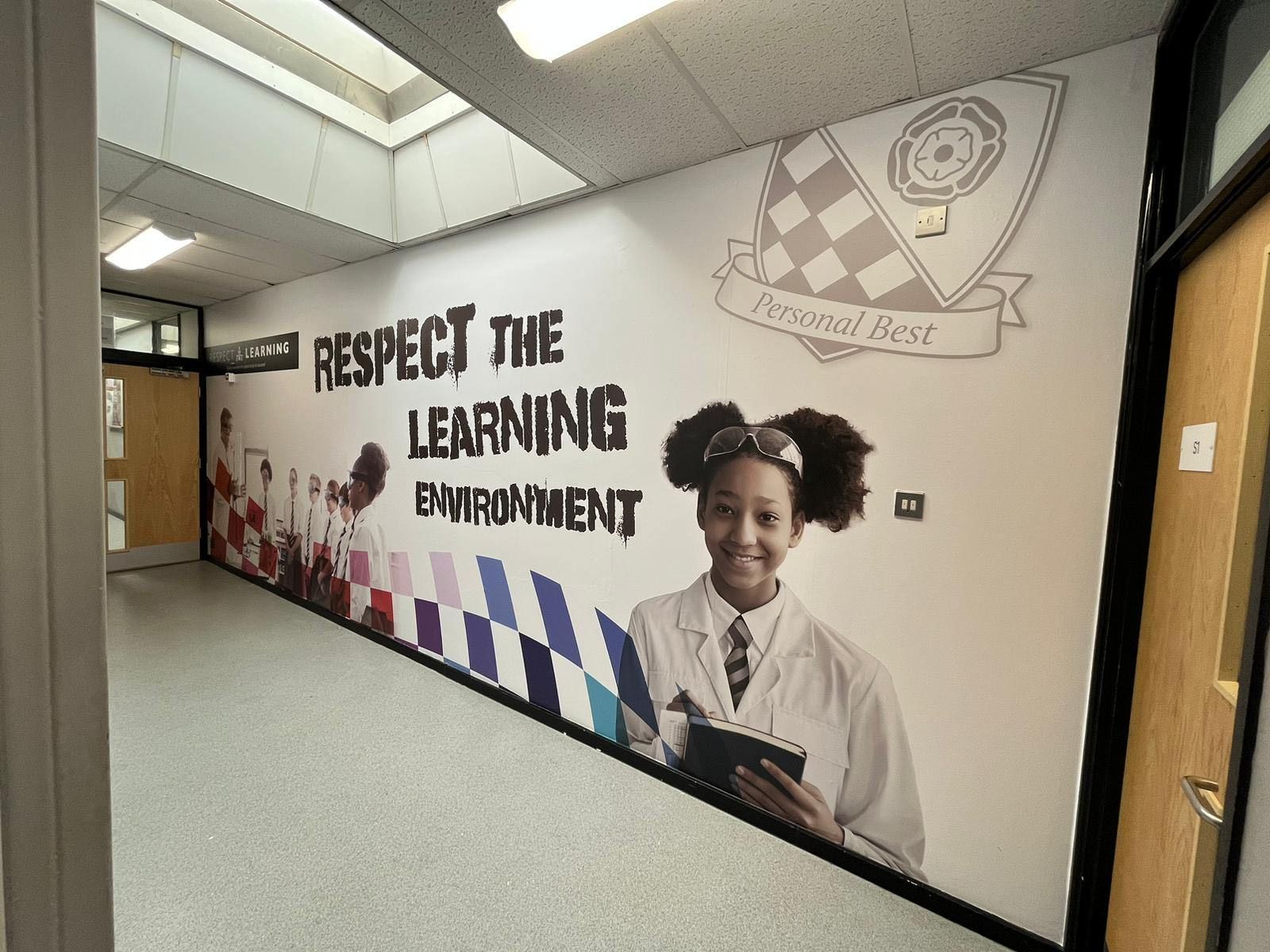
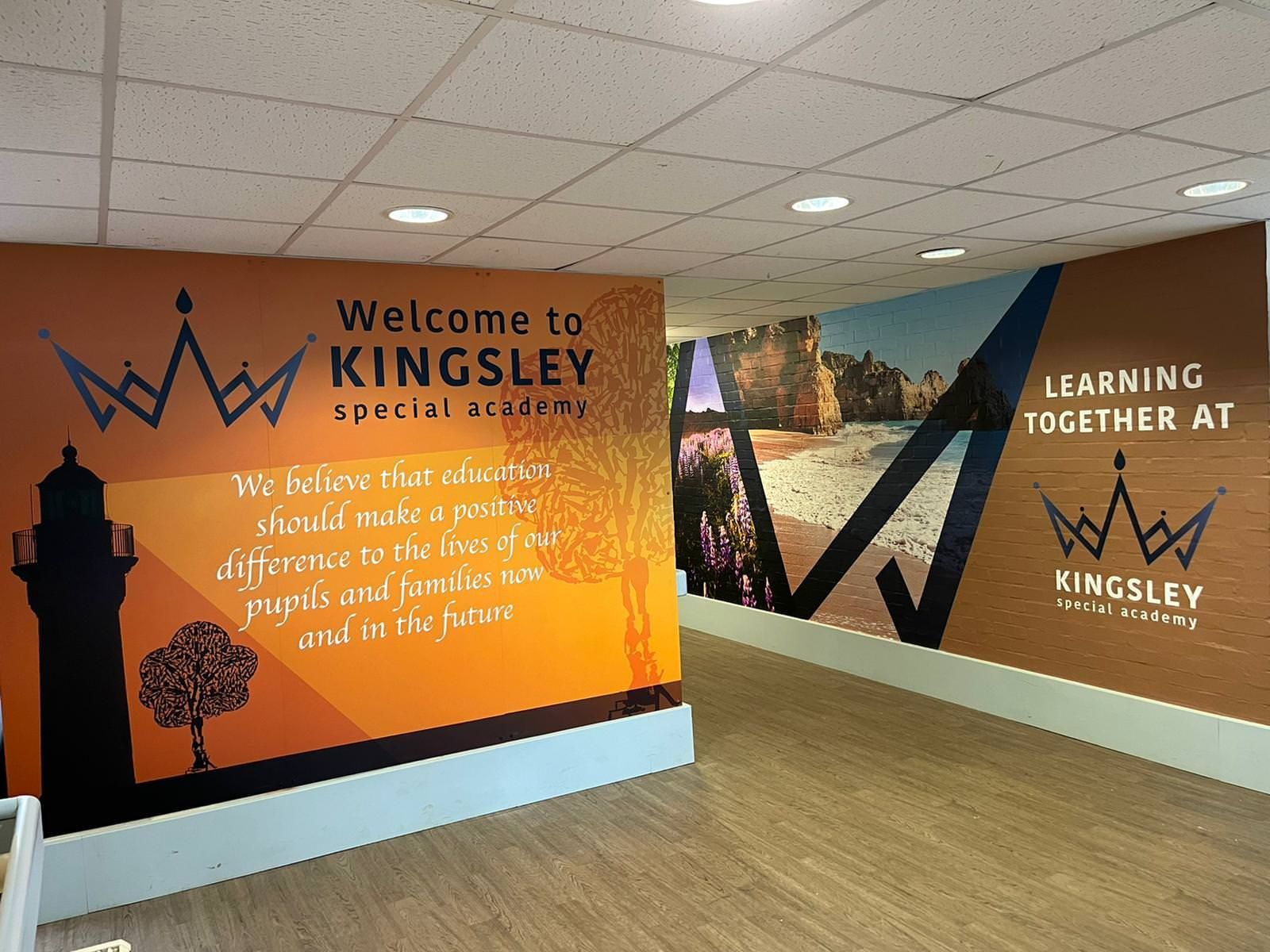
Graphics highlighting nature and sustainability can demonstrate the school's dedication to education and its role in nurturing environmentally aware and responsible students.
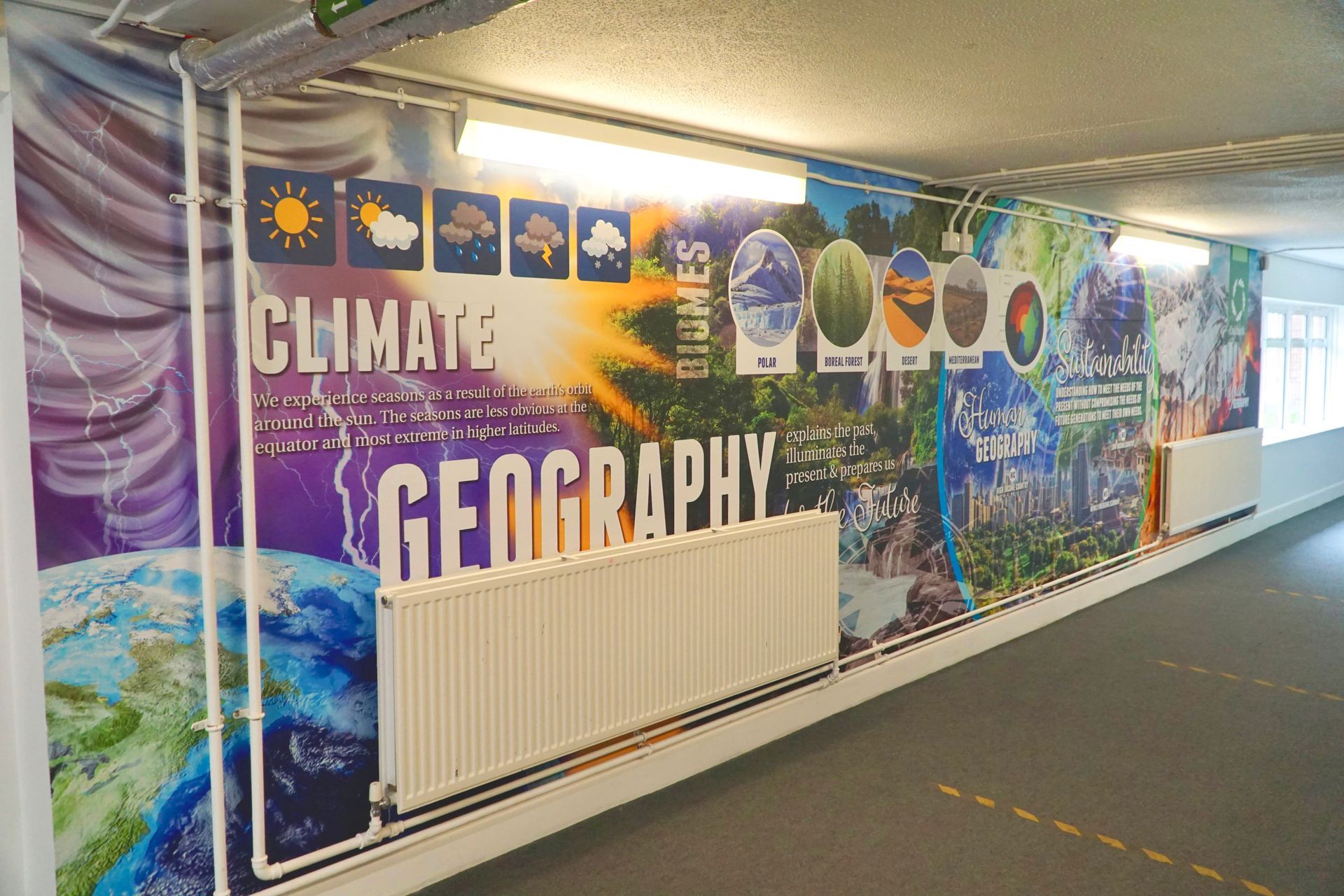
We are encouraging the practice of responsibility through the use of wall art.
- Using wall decals that highlight nature and sustainability is a way to demonstrate a school's dedication to education and encourage students to be more environmentally aware.
Essential Design Aspects for Taking Care of the Environment
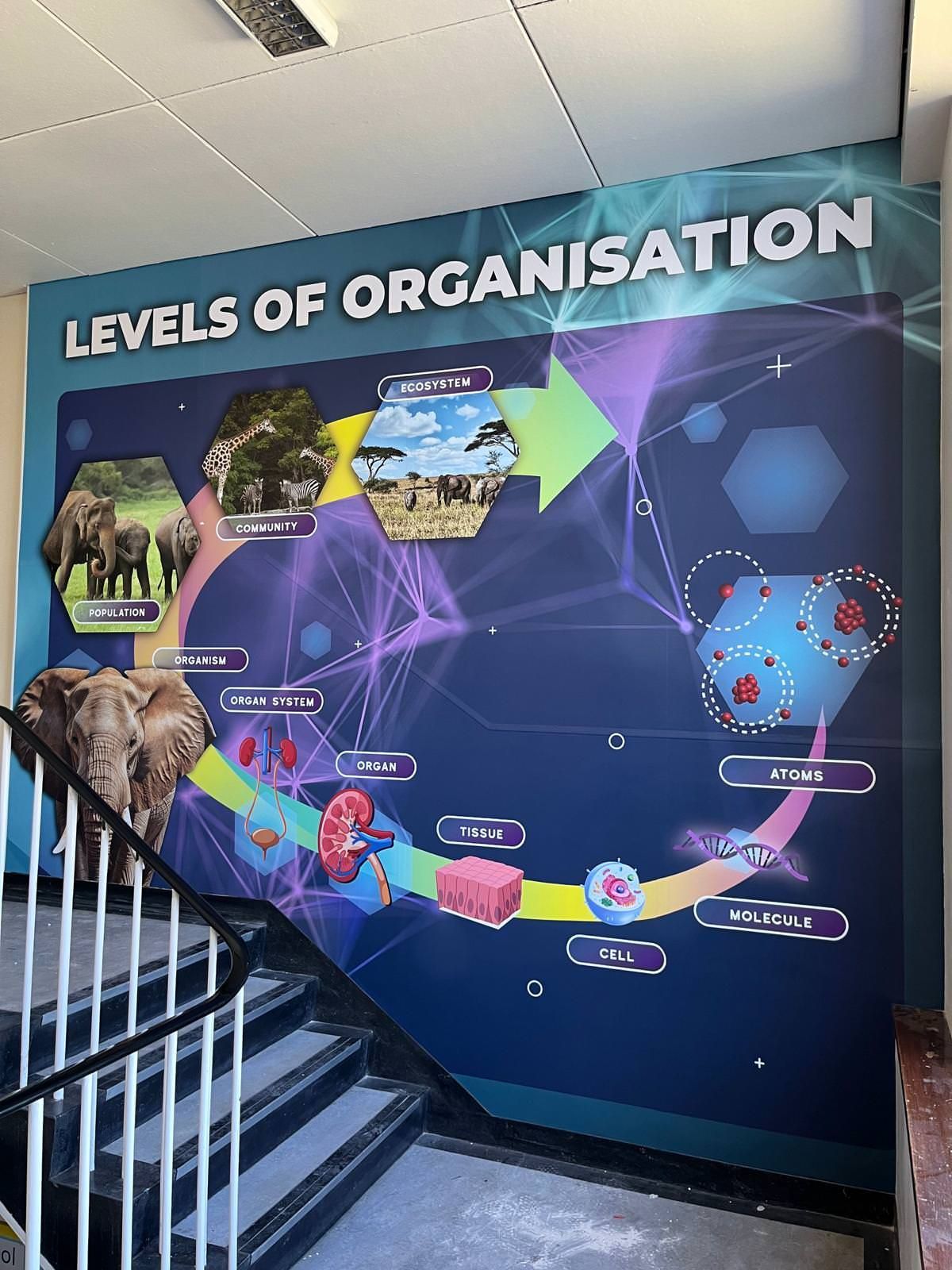
- Themes inspired by nature: Different environments, such as forests and oceans, are home to various creatures and plants. Showcase a variety of pictures depicting plants and animals in their habitats to emphasise their importance in the ecosystem.
- Let's utilise aids to illustrate how recycling works along with composting and the significance of waste reduction. Let's discuss ways to save energy by sharing tips, like switching off lights and utilising energy sources.
- Illustrate the processes of water and carbon cycles by detailing each stage and its importance. Illustrate pollination and photosynthesis to highlight their significance in supporting life. Here are some helpful suggestions for students to incorporate into their routines to be environmentally conscious, like reusable bottles and bags.
Quotes
- Incorporate powerful words from advocates and leaders to motivate students to make a difference.
Optimal Positioning for Greater Influence
- Create designated "Nature Corners" classroom areas where students can engage in nature-themed activities, such as tending to plants and learning fun facts about animals on boards. Display cycle diagrams on walls to showcase processes like the water cycle and include parts for hands-on interactive learning experiences.
- Hallways and corridors are often bustling with activity, serving as the arteries that connect areas of a building or space.
- Create themed hallways inspired by ecosystems featuring colourful visuals and educational content detailing flora and fauna specific to each environment.
- Let's construct walls that showcase practices and student-led projects promoting stewardship.
Common Meeting Areas;
- Conservation Corners should have posters in shared spaces that highlight messages about conservation, such as ways to cut down on waste and safeguard wildlife.
- Utilise screens to engage students in understanding subjects using touchscreens or QR codes that direct them to educational videos.
Outdoor Areas;
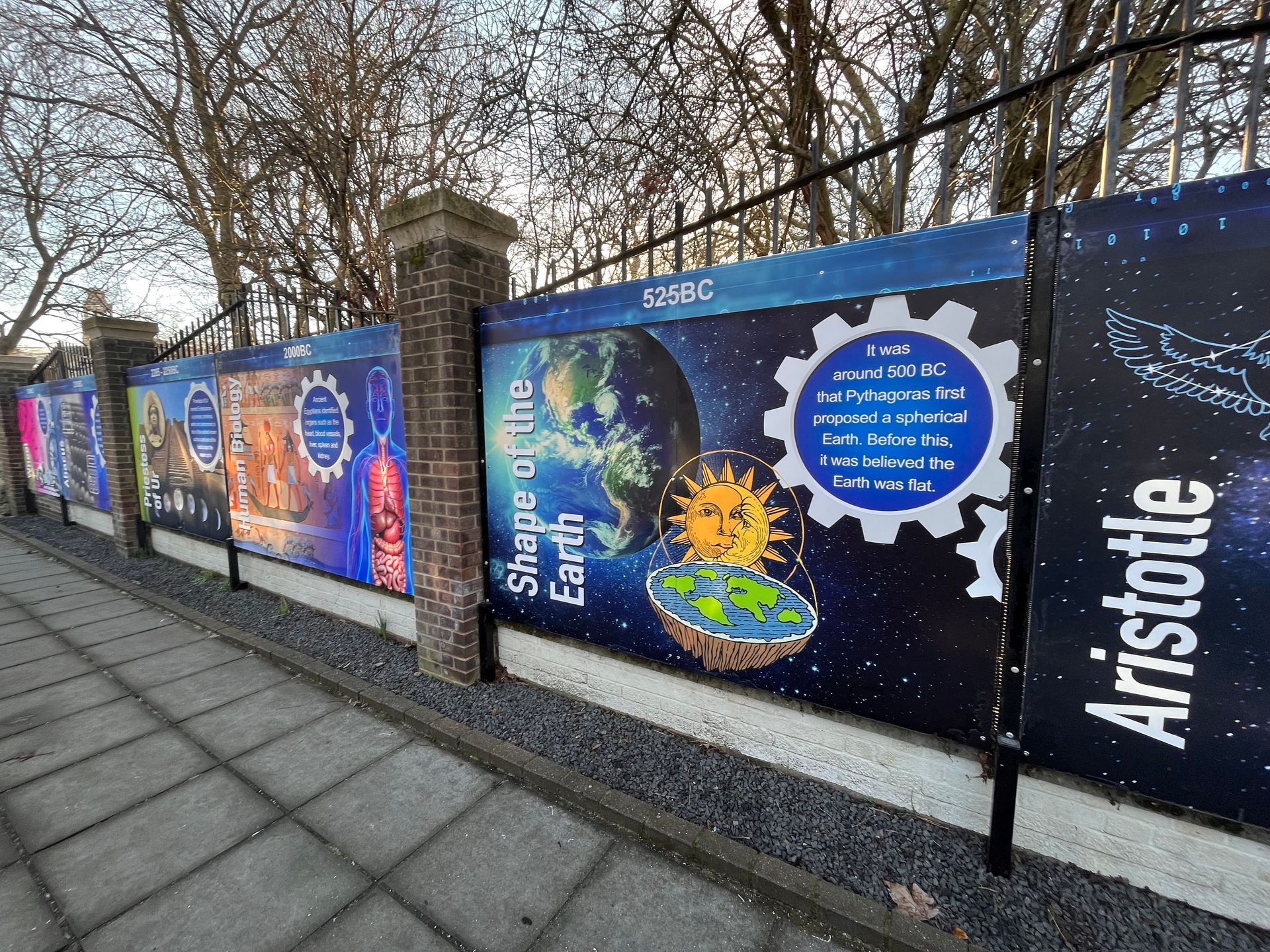
- Displaying images and information about wildlife and plant life on walls, fences, gardens, and green spaces is a great way to promote sustainable gardening practices.
- Let's create murals showcasing nature and sustainability, visually representing the school's environmental dedication.
Strategic Plan for Implementation
- Exploring the design process together as a team;
- Get teachers and students involved in the design process to ensure the visuals align with objectives and appeal to their interests.
- Environmental consultants should collaborate with experts in ecology and conservation to guarantee that the visuals are precise and meaningful.
- When selecting, opt for materials like recycled paper and eco-conscious inks with biodegradable adhesives.
- Materials should be sturdy and safe for kids to use without any substances that could harm them.
Professional Setup;
- Make sure to have your installation done by a professional to guarantee safety, enhance the look of your setup, and prevent any alignment or damage issues.
- Make sure to place images at a height kids can see and reach easily.
- Make sure to stick to a routine for cleaning and upkeep to maintain the graphics appeal and freshness.
- Let's schedule updates to add environmental content and ensure the information stays relevant and engaging over time.
Displaying Wall Graphics That Promote Environmental Responsibility
A painting depicting the ecosystem;
- This mural shows ecosystems, like rainforests and oceans, with detailed drawings of the plants and animals.
- Students are taught about biodiversity and the significance of conserving habitats to make an impact.
"The wall designated for recycling and composting."
- Graphics illustrating recycling and waste reduction advantages are presented alongside features such as sorting games to engage users.
- It fosters a sense of responsibility in students to embrace behaviours and recognise how their actions affect the environment.
Water and diagrams illustrating the carbon cycle are components to consider.
- Create illustrations illustrating the water and carbon cycles with labelled stages and detailed explanations for each step. Incorporate elements using movable parts for an engaging user experience.
- The lesson aims to educate students on the flow of water and carbon in nature and highlight the significance of these interconnected cycles.
- Boards are set up with messages promoting wildlife conservation and waste reduction while encouraging energy savings; they feature elements such as panels showcasing eco-friendly tips.
- Encourages students to make a difference by contributing to preserving the environment.
"Create a mural depicting the beauty of the outdoors."
- A sizable outdoor mural honouring wildlife and plant species while promoting sustainable practices vividly represents the school's dedication to the environment.
- The outdoor learning space is improved, emphasising the significance of protecting the environment.
Closing Remarks
By using visuals that highlight nature and sustainability on their premises, schools can demonstrate their dedication to teaching about the environment and encourage students to be environmentally aware. The images do not enhance the school's appearance. They also help raise awareness about ecological issues and encourage students to take environmental responsibility. These efforts align with the school's eco programs and contribute to shaping a new generation of environmentally conscious individuals.