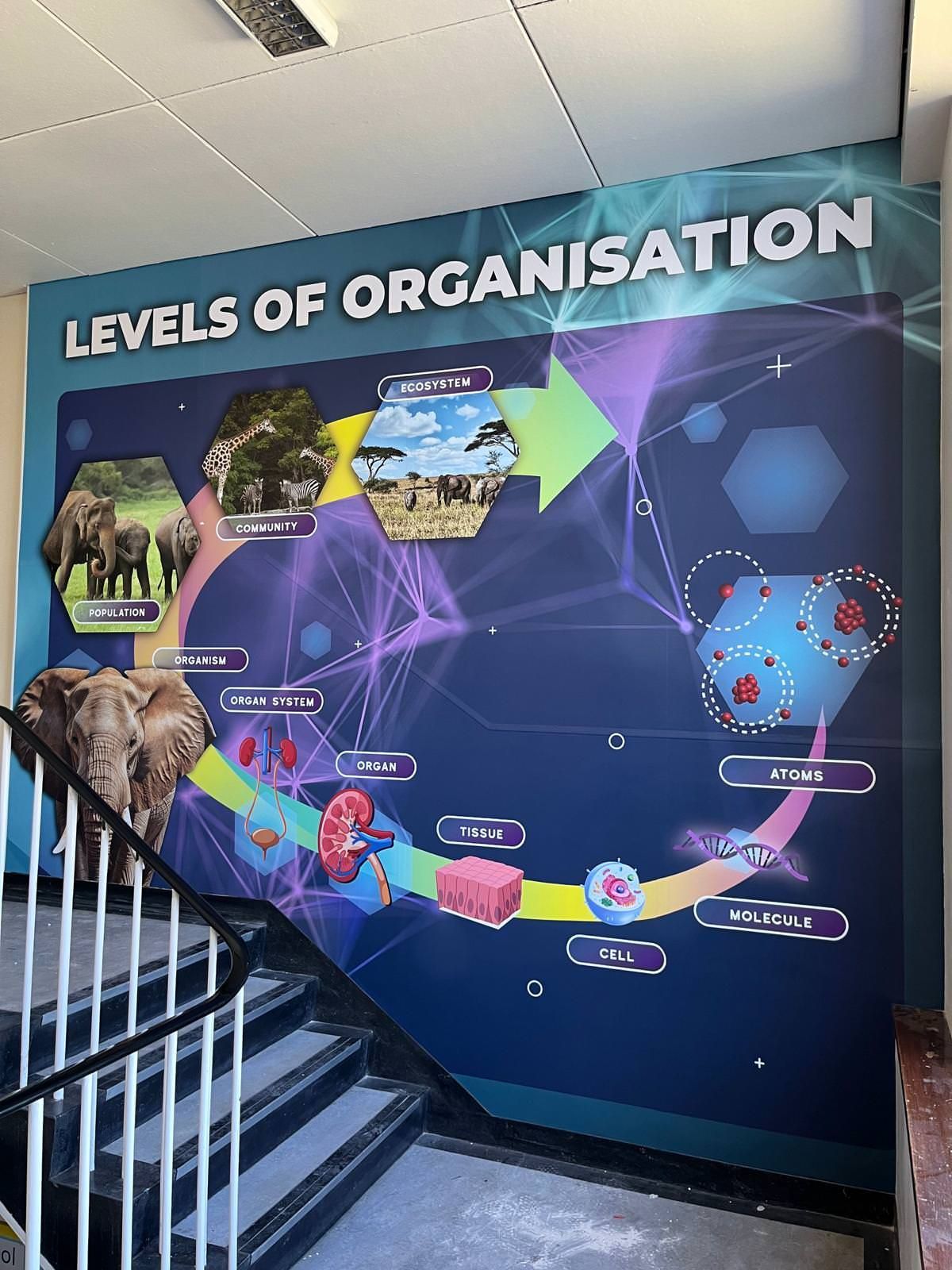
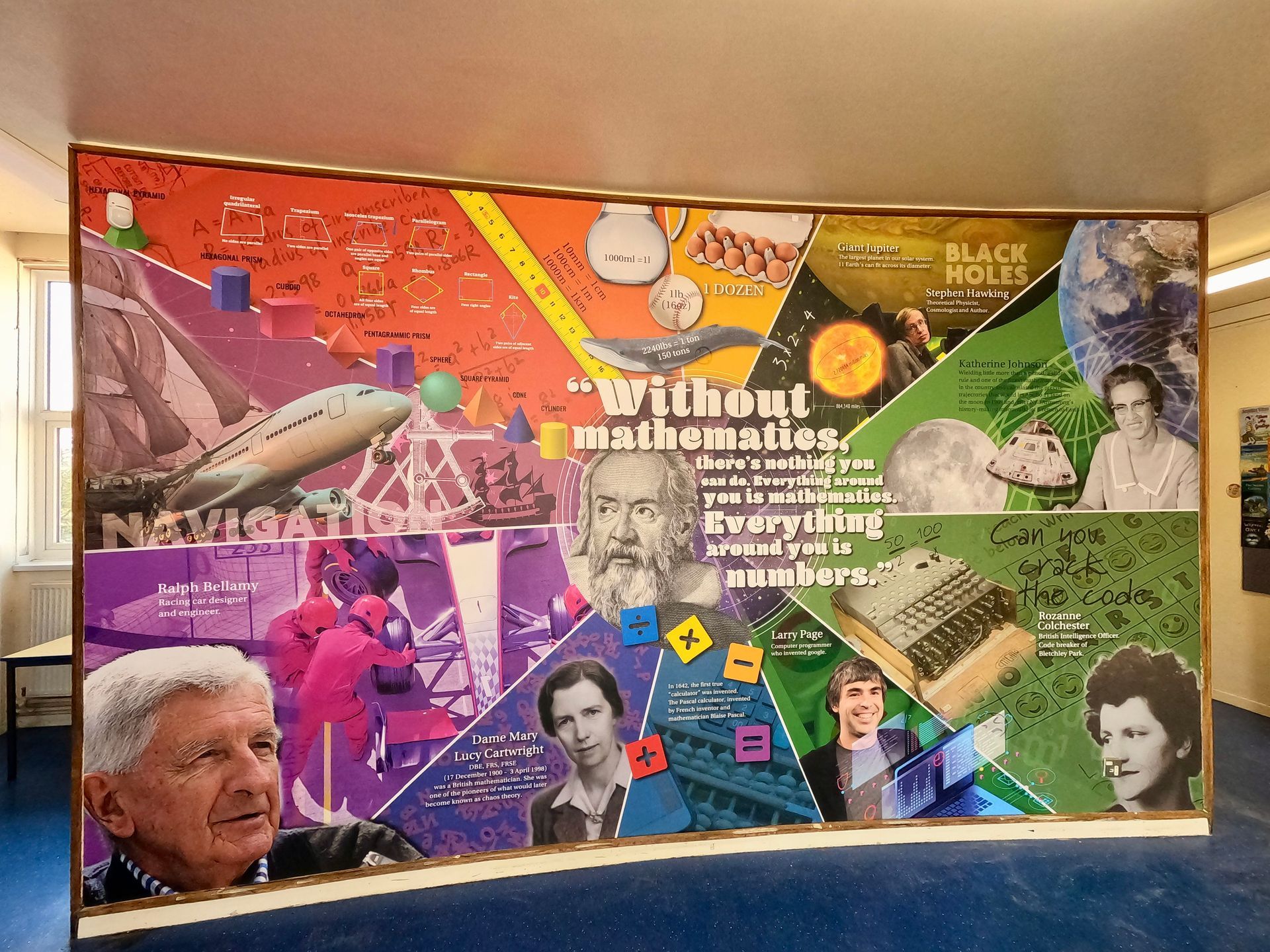
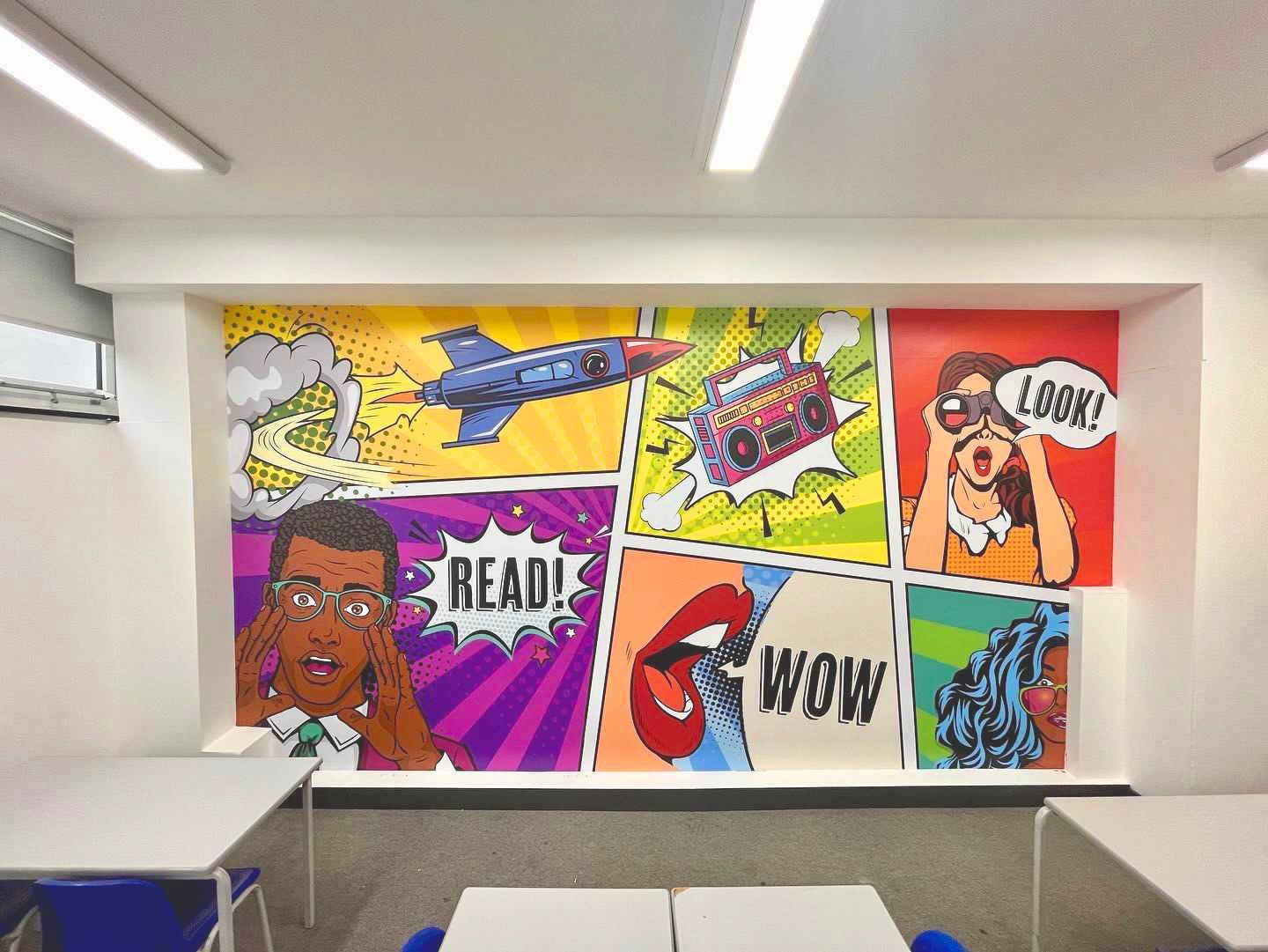
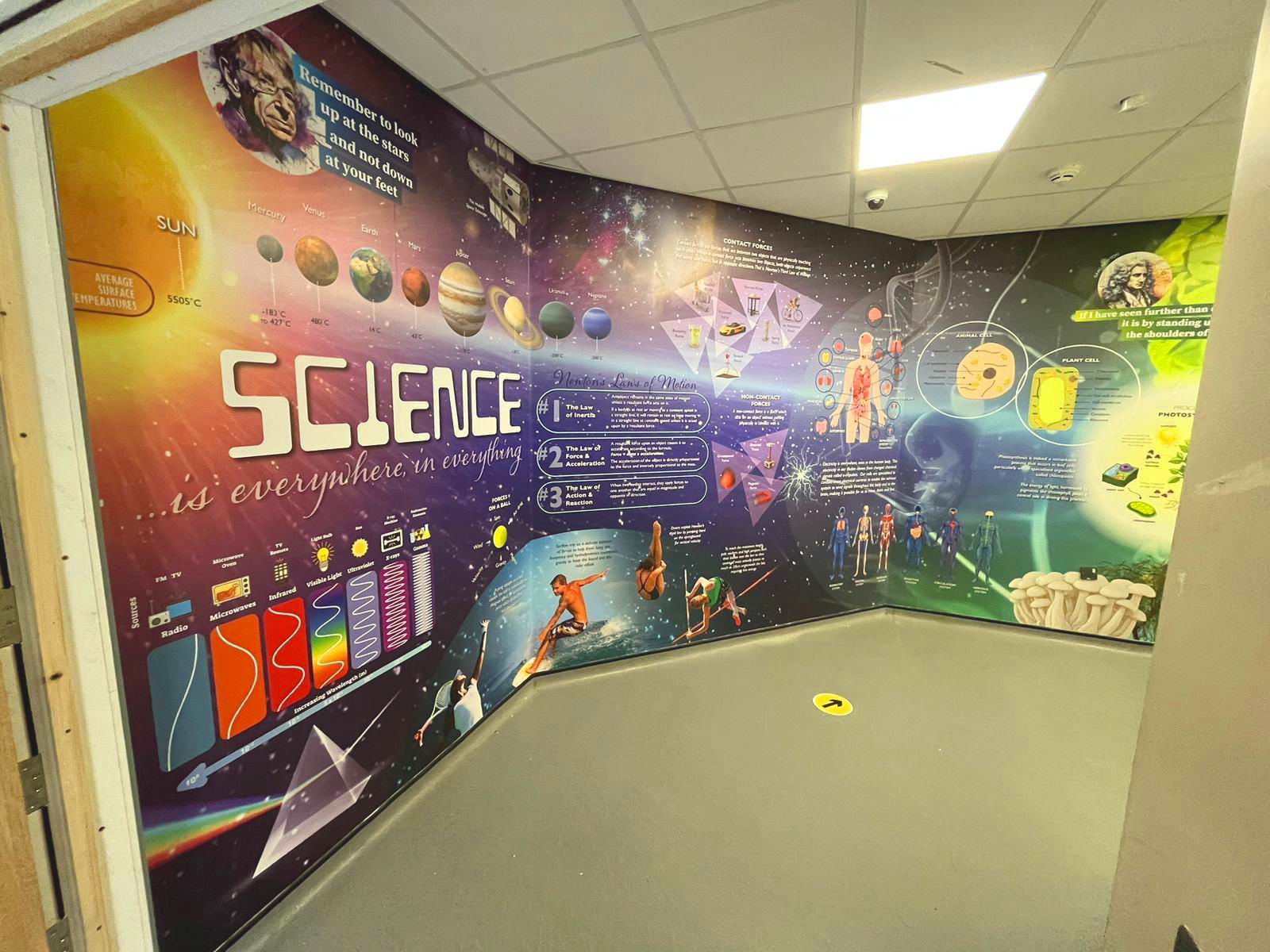
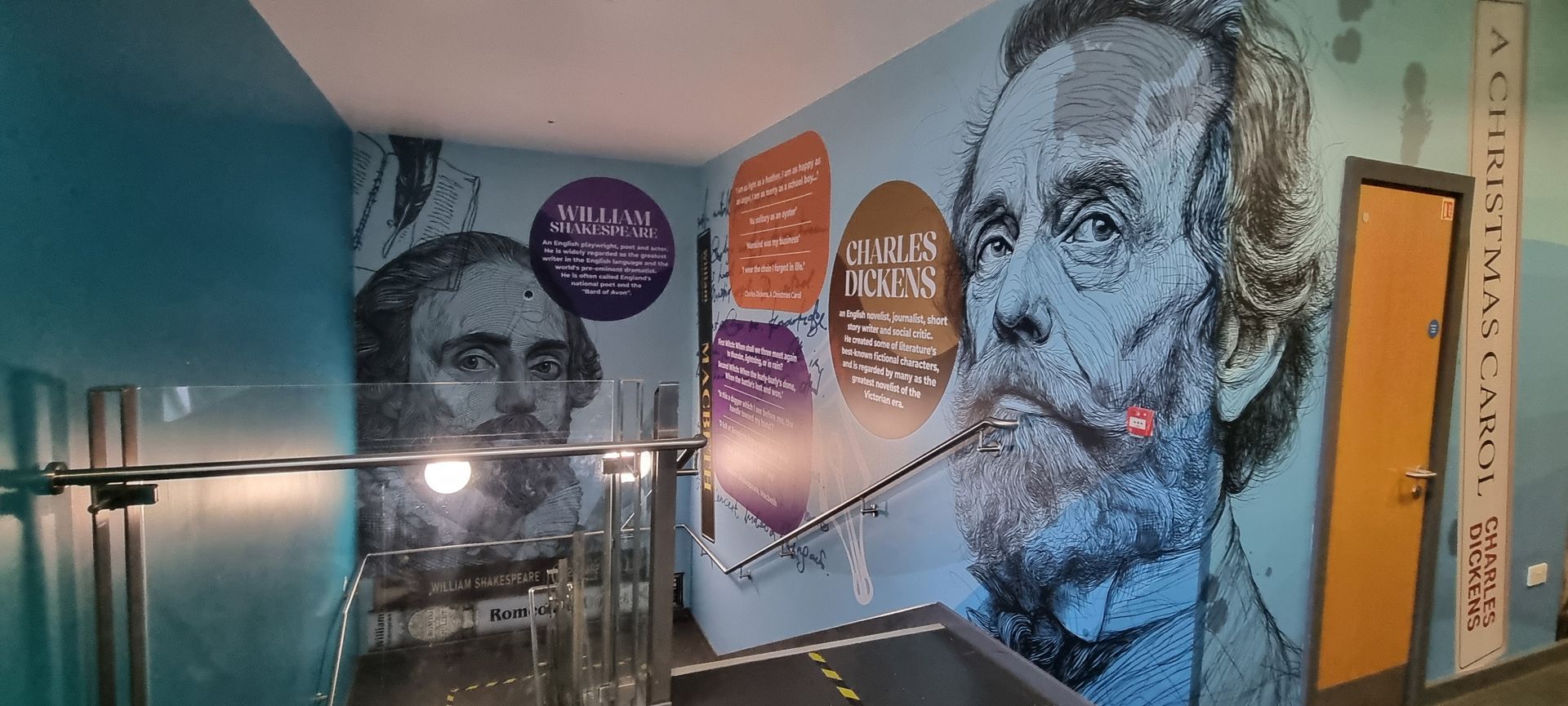
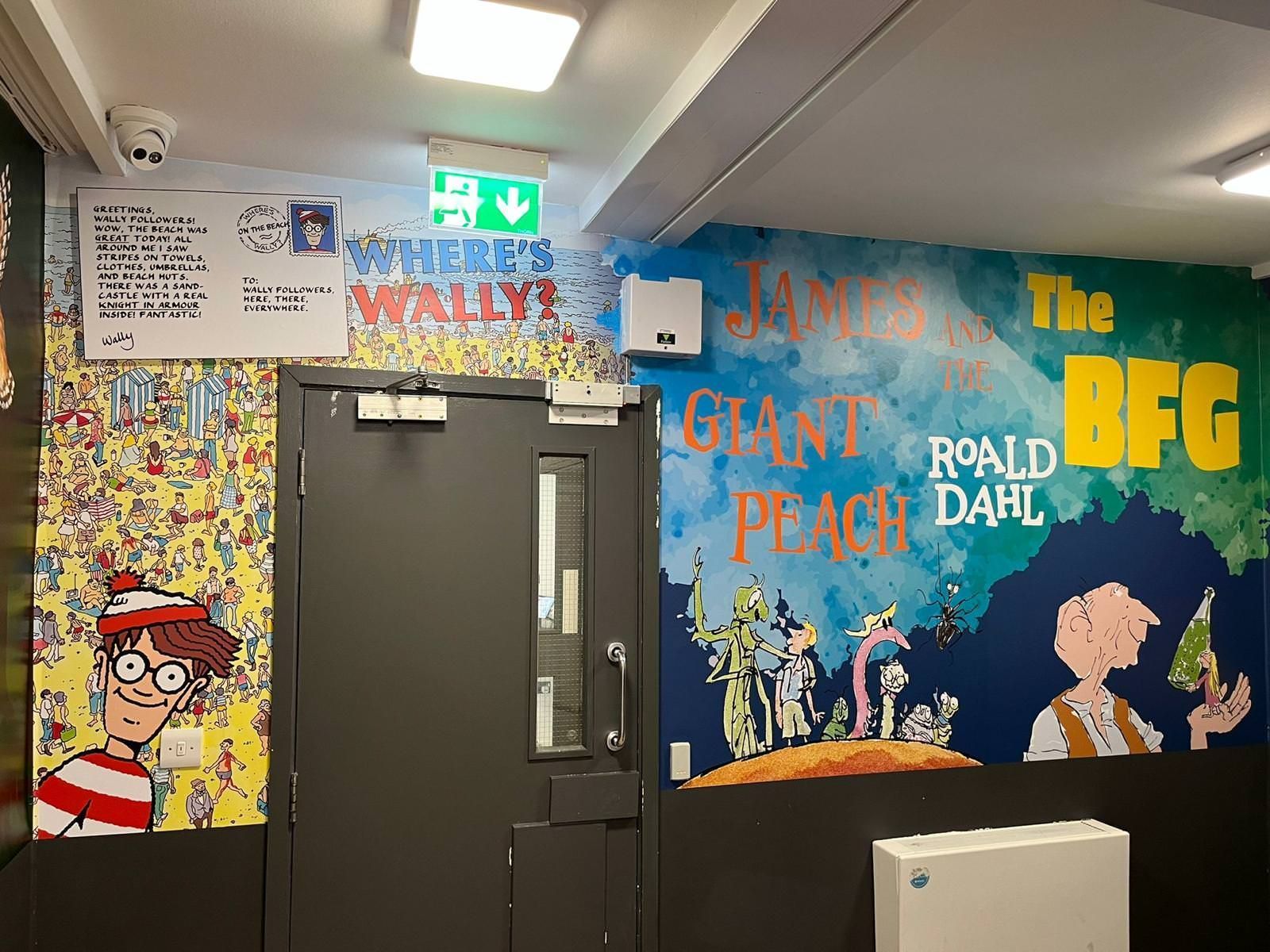
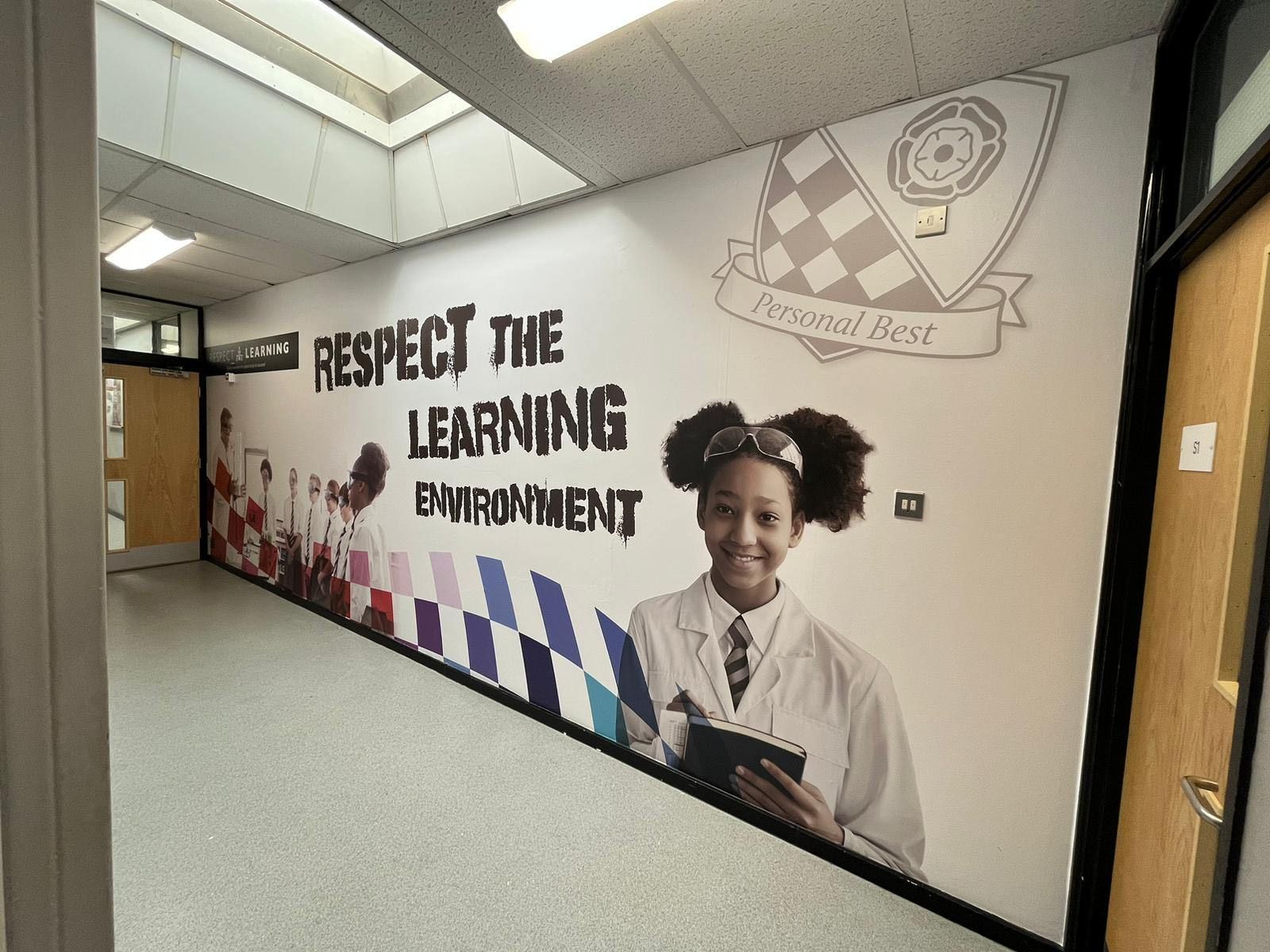
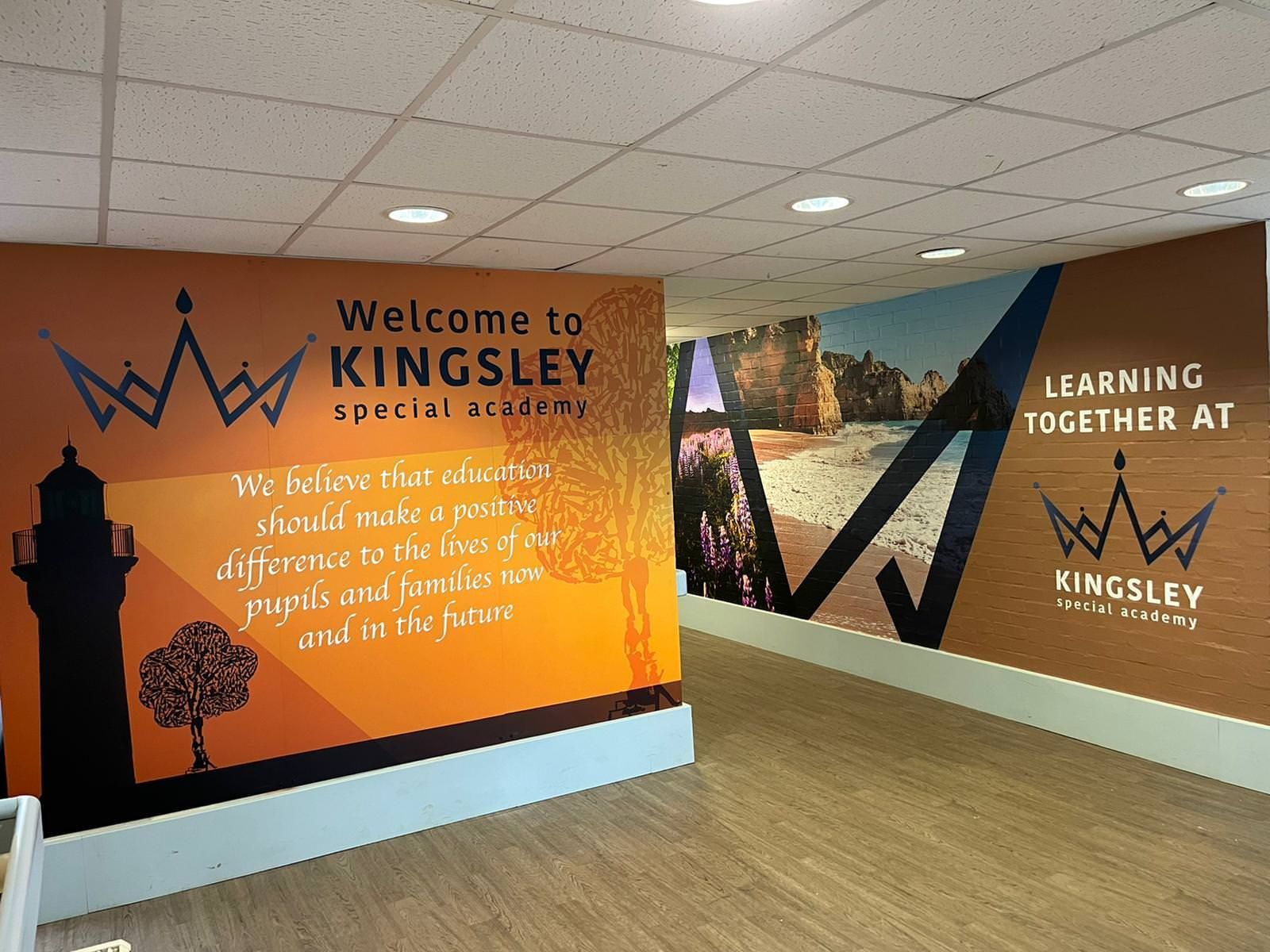
School corridors become story-rich areas that stimulate students' imagination and reading enthusiasm at all educational levels. Schools can achieve their literacy targets and foster creative thinking through wall graphics that create emotional connections between students and literature.
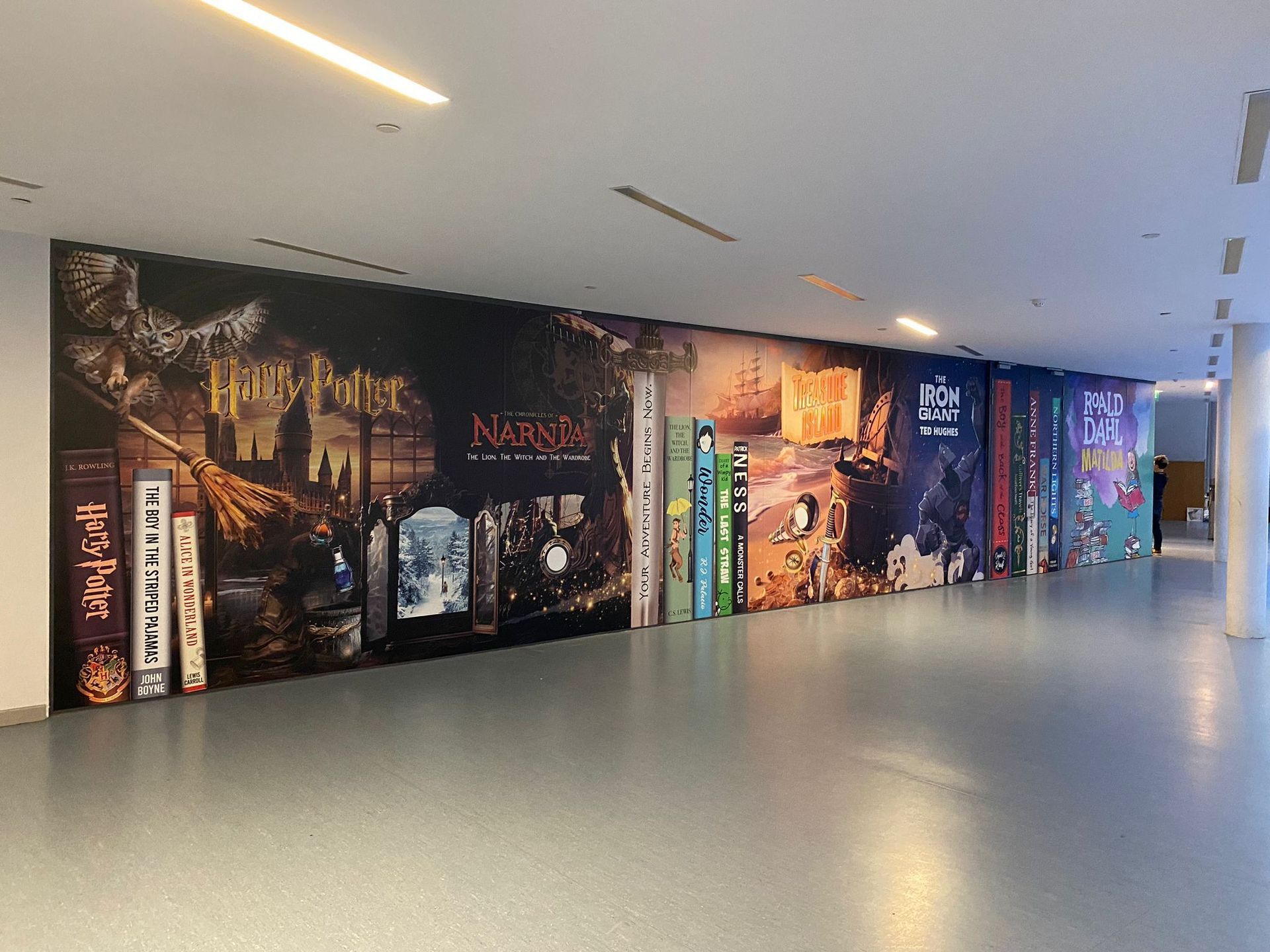
The following section presents essential design elements, along with placement suggestions, to establish reading corridors that unite educational content with artistic elements and atmospheric effects during the Halloween season.
Building Story Worlds
Literary Icons and Imagery
- The wall graphics should display recognisable characters and creative scenes which will spark pupils' curiosity and sense of wonder. The use of recognisable visual elements in wall graphics helps students develop interest while making reading experiences more realistic.
- The use of subtle symbols — keys, doors, and paths — allows students to connect the visual elements to storytelling concepts of exploration and discovery.
Visual Narratives
- The wall art should present a narrative sequence through visual elements that follow a story progression from forest environments to castle entrances, mirroring the children's book's exploration.
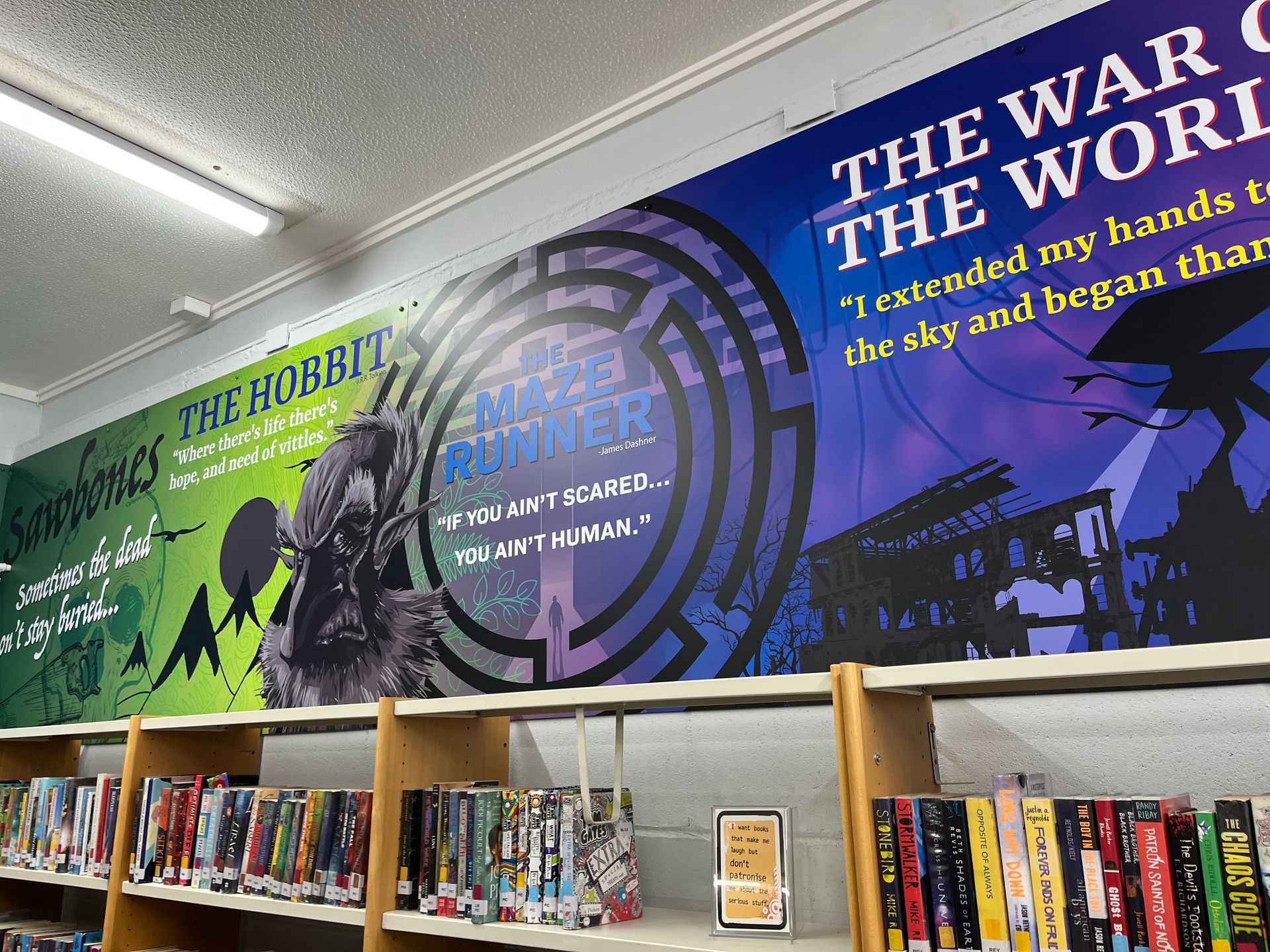
- The addition of brief literary quotes and essential story lines enables students to create their own writing while starting classroom discussions about the text.
Sensory and Emotional Impact
- The atmosphere of a space depends on its colour scheme. The combination of comfortable, warm colours with deep shades creates an atmosphere that leads to either relaxation or exciting adventures. The characters in the artwork enable students to understand emotional states and develop empathy and comprehension skills.
Placement for Maximum Impact
Corridors and Common Areas
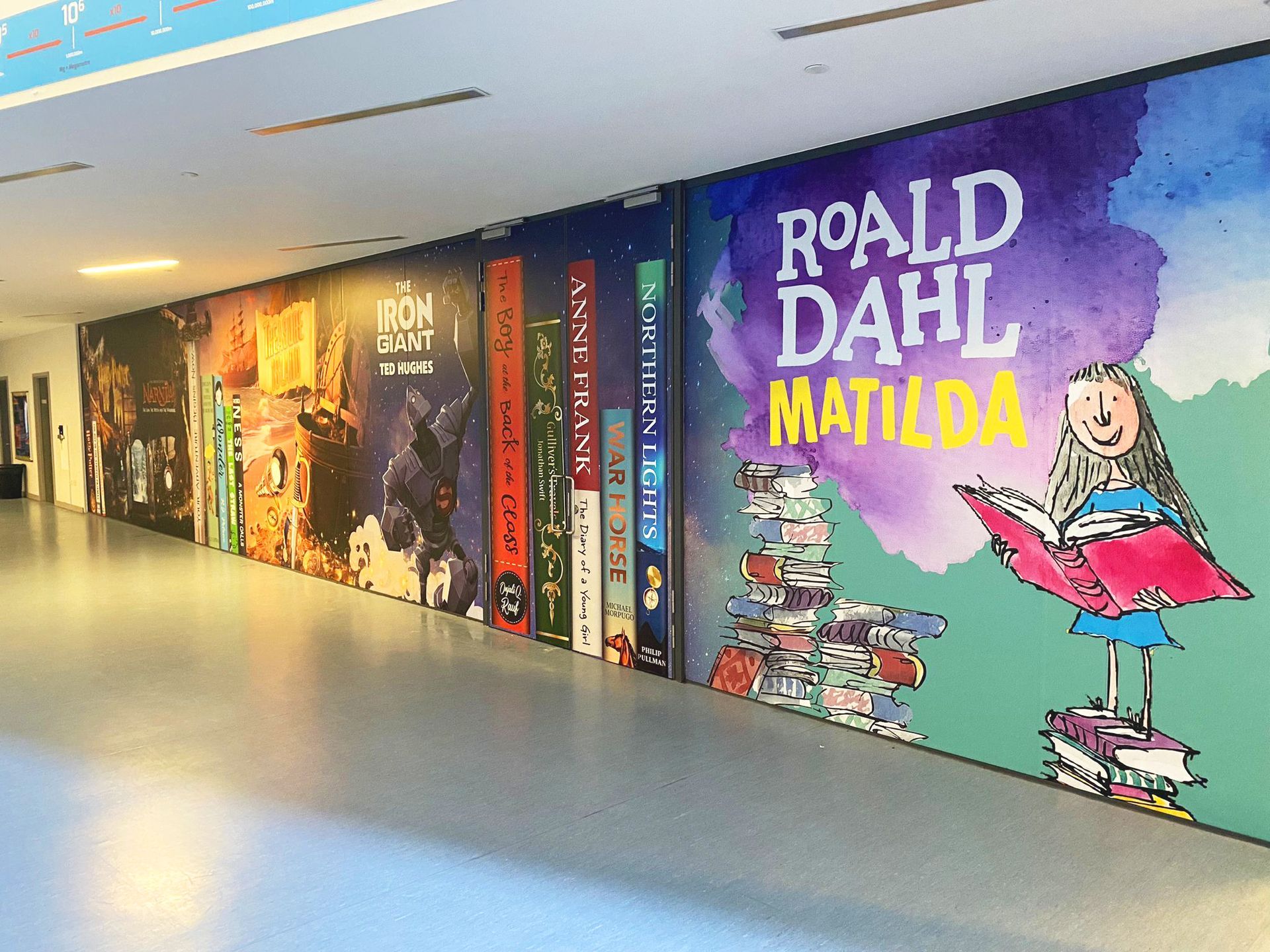
- The school should transform its regular hallways into educational paths which lead students through reading experiences. Displaying familiar book covers at student eye level in corridors encourages students to develop their reading skills and feel proud of their literacy achievements.
Libraries and Literacy Zones
- The walls should serve as visual bookshelves, showcasing different books to motivate students to read for pleasure.
- The addition of QR codes and writable panels enables students to access digital resources and classroom activities through the visual content.
Seasonal Themes
- The Halloween and forest scenes featuring magical creatures create an exciting, memorable reading environment. The same design elements will support the season, providing an opportunity to highlight the power of storytelling. The combination of fantasy and mystery elements in the Castle Future teaches about narrative structures and literary genres.
Design and Implementation
Collaboration
- Teachers and students should work together to select reading materials and quotes that align with school values. At the same time, experienced designers should create visuals that support curriculum learning and maintain student safety.
- The selection of materials for wall graphics should focus on environmentally friendly options that are safe for students and easy to maintain.
- The designs should be placed at heights that students can access to ensure complete accessibility.
Maintenance
- The school should schedule regular maintenance to preserve the appearance of wall graphics. The school should update book titles each term to align with reading assignments and World Book Day celebrations.
Examples of Reading Corridor Designs
The Literary Spine Wall
- The design features enlarged book covers that honour the books students read in class.
- The design helps students become familiar with their reading materials while building their confidence in reading activities.
The Adventure Mural
- The design presents a single story that shows pupils how to move between different imaginary worlds.
- The design element creates an interest in reading while helping students understand story elements and narrative structures.
The Halloween Reading Trail
- The display features temporary book displays that showcase "Guess the Book" challenges and frightening story excerpts.
- The combination of Halloween spirit with reading activities transforms the holiday into a literacy-focused celebration.
Conclusion
Wall graphics that immerse students create more than visual appeal because they share stories, foster creativity, and make reading activities visible throughout the entire school. Schools that unite educational content with creative design elements will develop learning spaces which motivate students to explore new knowledge every school day.
Call to Action:
Cubed Creative enables you to transform your beloved stories into magical reading spaces, including enchanting corridors and libraries that inspire imagination.