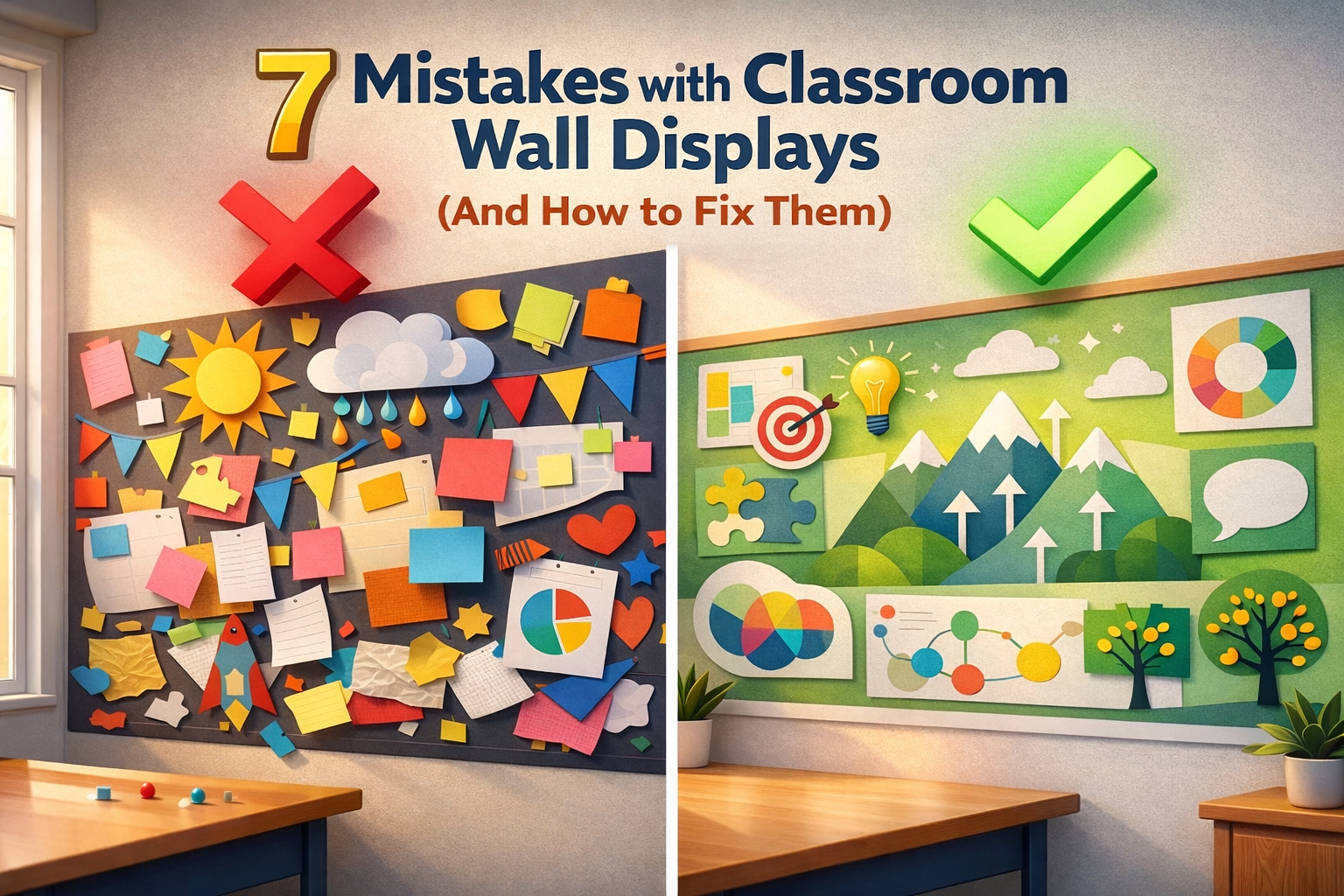
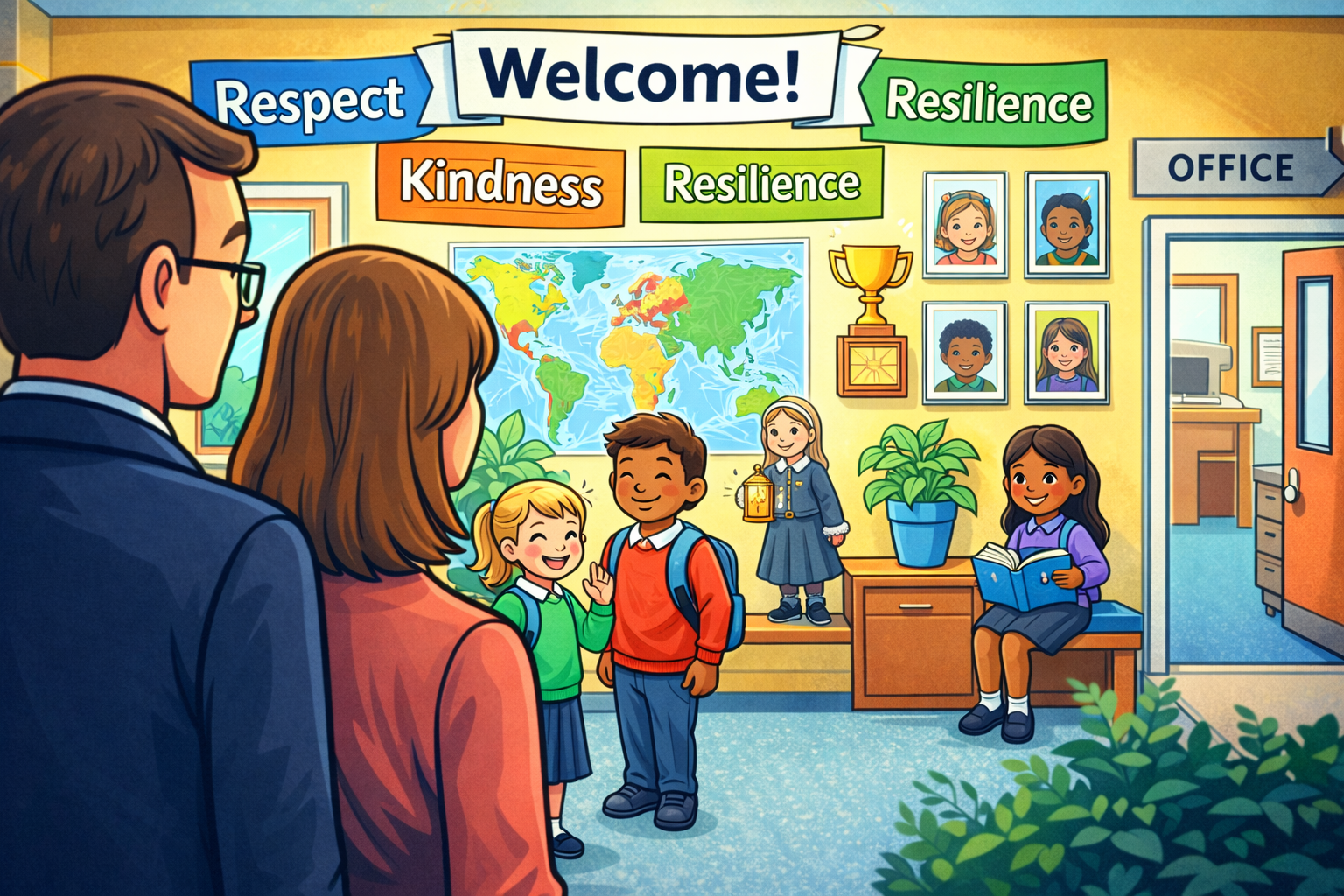
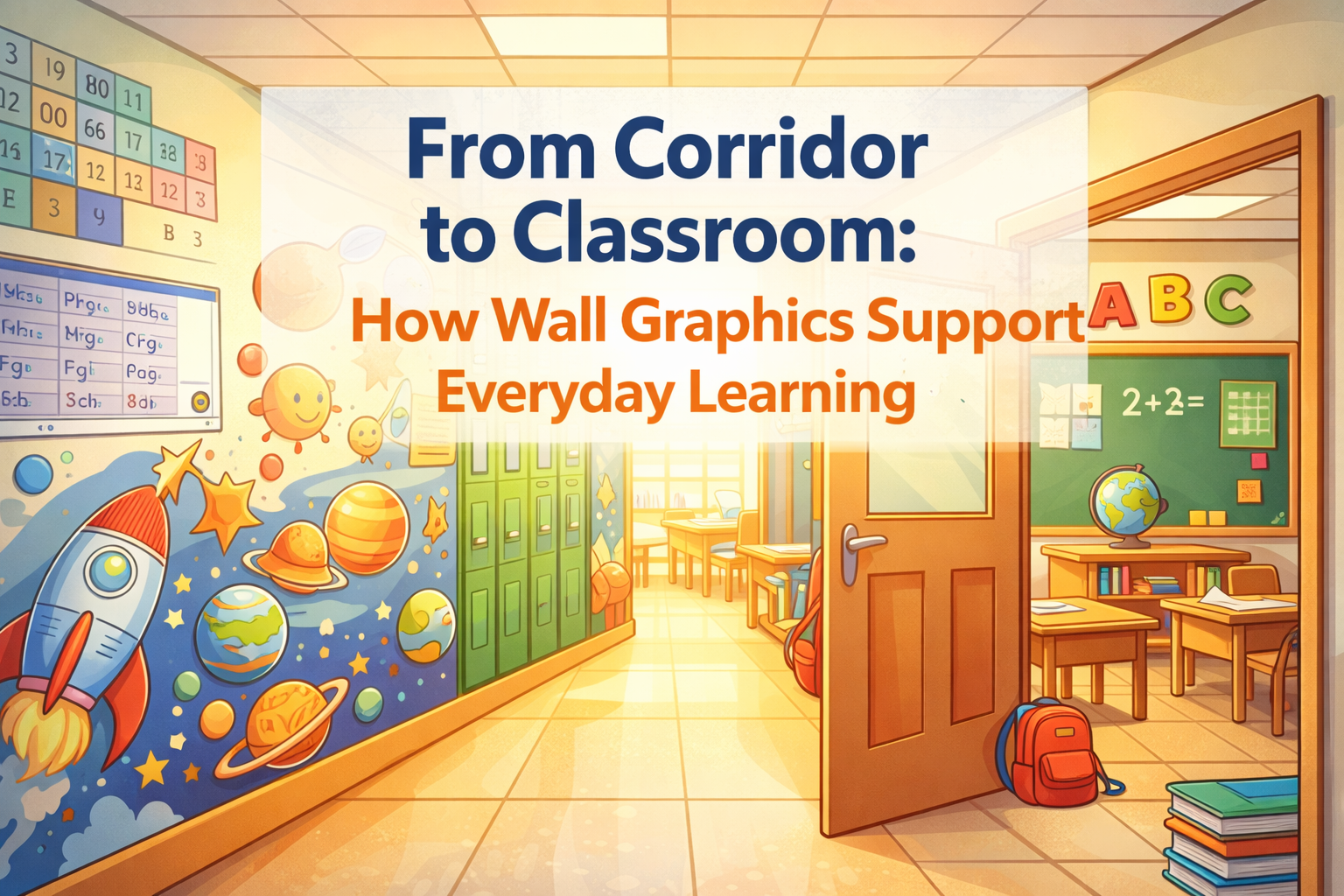
Visual representation of the school’s mission statement can be created using wall graphics to showcase its core values to everyone entering the premises at a glance.
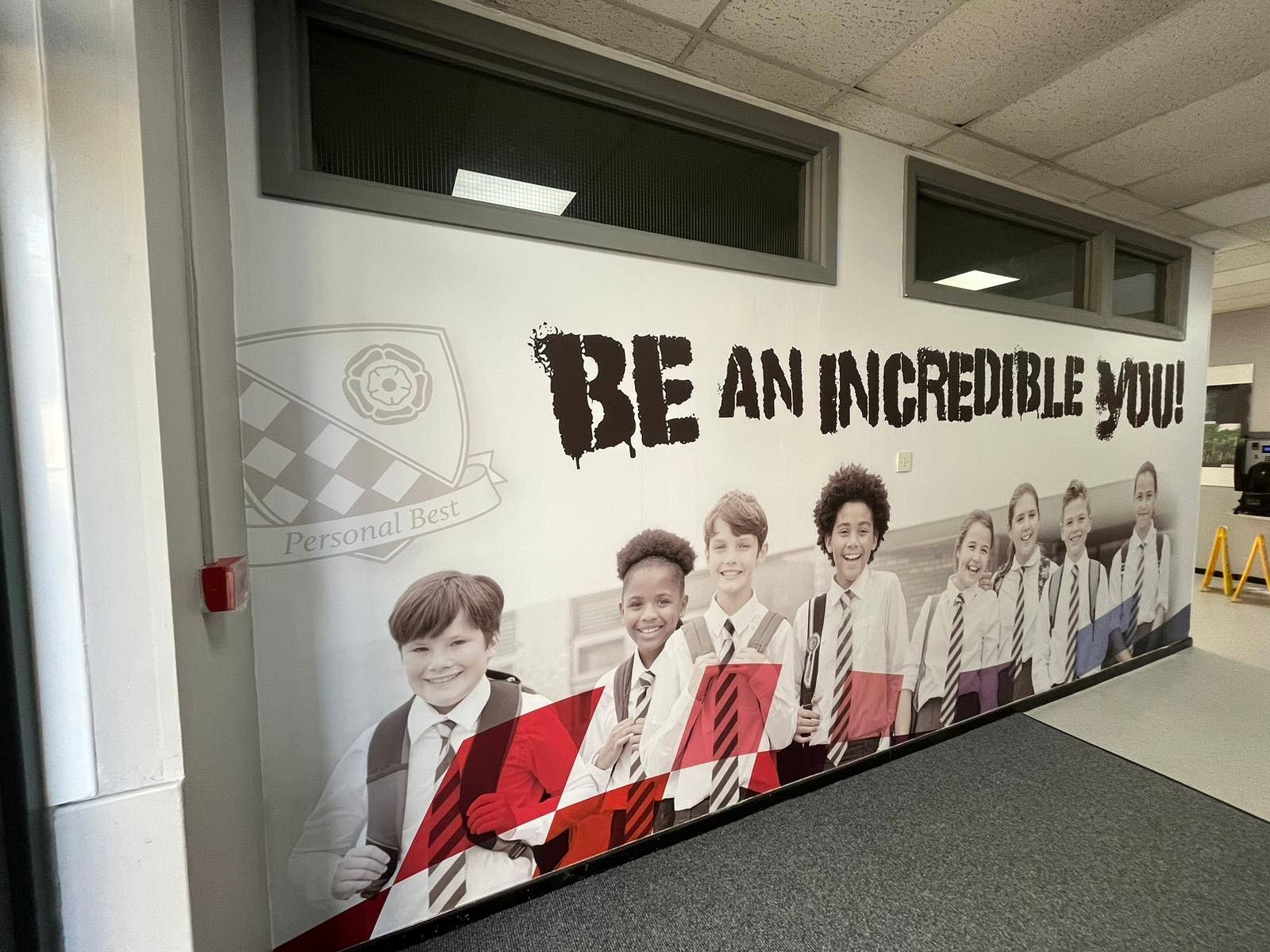
Visual representation of the school’s mission statement can be created using wall graphics to showcase its core values to everyone entering the premises at a glance.
I use wall graphics to bring the school’s mission statement to life.
Designing wall graphics displaying the school’s mission statement can communicate its beliefs to everyone entering the premises. Here are some tips on creating and installing wall graphics that effectively express the school’s mission and values;
Important Design Components for Visualising Mission Statements:
Essential Standards:
- The mission statement should emphasise "Excellence," "Integrity," "Community," and "Innovation."
Utilise.
- Icons that embody these fundamental principles—like a book for wisdom and learning, a globe for awareness on a global scale, or a handshake to symbolise unity and collaboration within communities.
"Images that inspire."
- Showcase student involvement by incorporating pictures of students actively participating in activities that mirror the school's values, such as working on projects or engaging in sportsmanship and community initiatives.
Emphasising diversity and inclusion
- It involves showcasing a variety of students and staff members to promote an inclusive environment for all.
Dynamic and Captivating Design;
- Utilise visuals with bold and lively colours and contemporary design features to enhance the visual appeal of the graphics.
- Ensure that the text is big enough to be read from afar so everyone can easily access the mission statement.
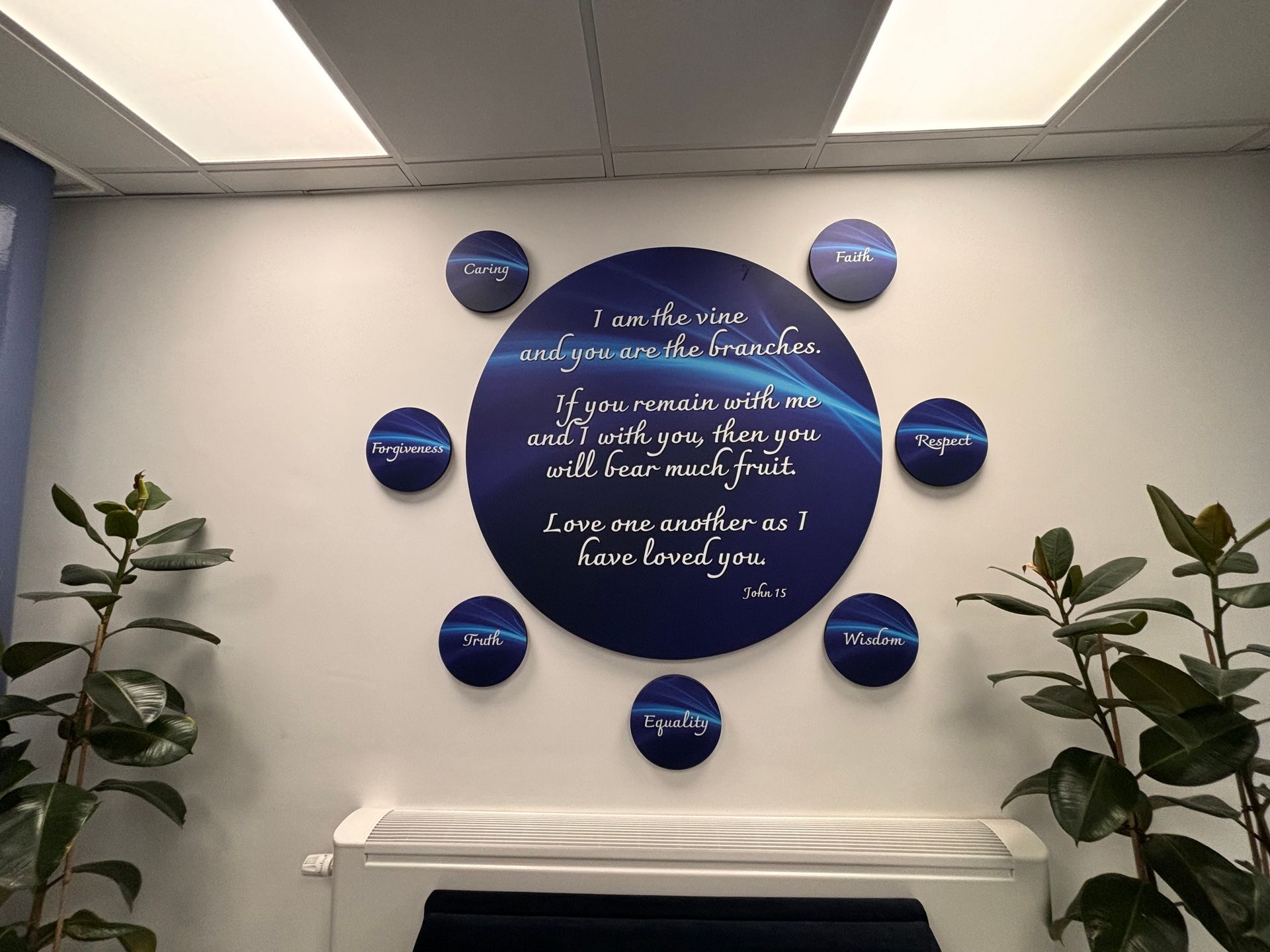
Optimal Positioning for the Greatest Influence When it comes to the entrance and lobby areas...
- Let's design a mural at the entrance or lobby featuring our mission statement, core values, and related imagery.
- Engage with features like touchscreens to access additional details on the school's mission and core values.
Embedding the school's core values into the walls of hallways can be a powerful way to showcase their significance through detailed descriptions and visual representations like:
- Quotes and images that demonstrate how these values are implemented within the school community.
- Utilise hallway sections to showcase rotating displays that feature student accomplishments and projects aligned with the school’s mission statement.
Educational Facilities and Teaching Spaces;
- In every classroom, posters or smaller wall graphics remind students and staff about the core values, helping them consistently remember them.
- Let's establish designated areas for students to contemplate how they can demonstrate the school's values in their actions.
- Common Meeting Areas: Designating specific areas in communal spaces will prominently showcase the mission statement alongside interactive boards for students to express their thoughts and experiences related to the core values.
- Highlight school: activities on the walls to showcase our mission statement and reinforce our core values.
Strategic Plan Execution
The process of designing ;
- Get everyone involved! Students, teachers, staff, and parents should all be involved in designing the graphics to ensure they connect with the school community.
- Collaborate with designers to craft top-notch visuals that beautifully capture the essence of your mission statement.
Step 1. Selecting Materials;
- Choose lasting and safe materials that are non-toxic when selecting items for children to play with.
- Choose eco alternatives to match the school’s dedication to environmental stewardship and sustainability.
Step 2. Professional Setup;
- Ensure to have a handle on the installation to guarantee safety and a visually pleasing outcome while preventing alignment or damage concerns.
- Make sure to place images at a height kids can see and reach easily.
- Remember to set aside time for upkeep, such as cleaning and maintenance, to keep the visuals vibrant and captivating.
- Regularly update the content to ensure it stays current and aligns with any initiatives and changes in the school's mission and values.
Examples showcasing the use of wall graphics for mission statements.
1. The mural at the entrance;
- At the school's entrance is a mural showcasing the school's mission statement and core values through images of students working together and participating in sports and community service activities.
2. Establishing an initial impact:
- This sets the tone and effectively conveys the school's fundamental beliefs to both guests and students right away.
3. Create walls highlighting each core value:
- With text and visuals that showcase their significance, incorporating quotes from students and staff about their interpretation of them.
- The school’s values are consistently upheld in the setting to offer ongoing reminders and motivation to all individuals present.
4. Reflection Area;
- A comfortable nook, with a display of the school's mission statement and interactive boards for students to express how they live out the school's values through their actions by writing or drawing.
- Promotes self-reflection and fosters a bond with the school's mission.
5. Event Feature Wall;
- A lively wall displaying school happenings and activities that mirror the school's mission statement through photos of events and student quotes, alongside summaries highlighting how these activities resonate with the school's beliefs and principles.
- Highlights the purpose statement. Acknowledges the accomplishments of the community.
Concluding Remarks:
Decorating the walls of a school with designed graphics showcasing its mission statement can effectively communicate its core values and beliefs to all who enter the premises instantly. These visual representations not only add to the school's aesthetic appeal but also serve as constant reminders of the institution's dedication to its mission. This creative approach contributes to cultivating a unified and motivated community within the school environment, which ultimately significantly enhances the success and happiness of students and faculty members.