Teaching Visual Understanding through Wall Designs in Early Childhood Education:
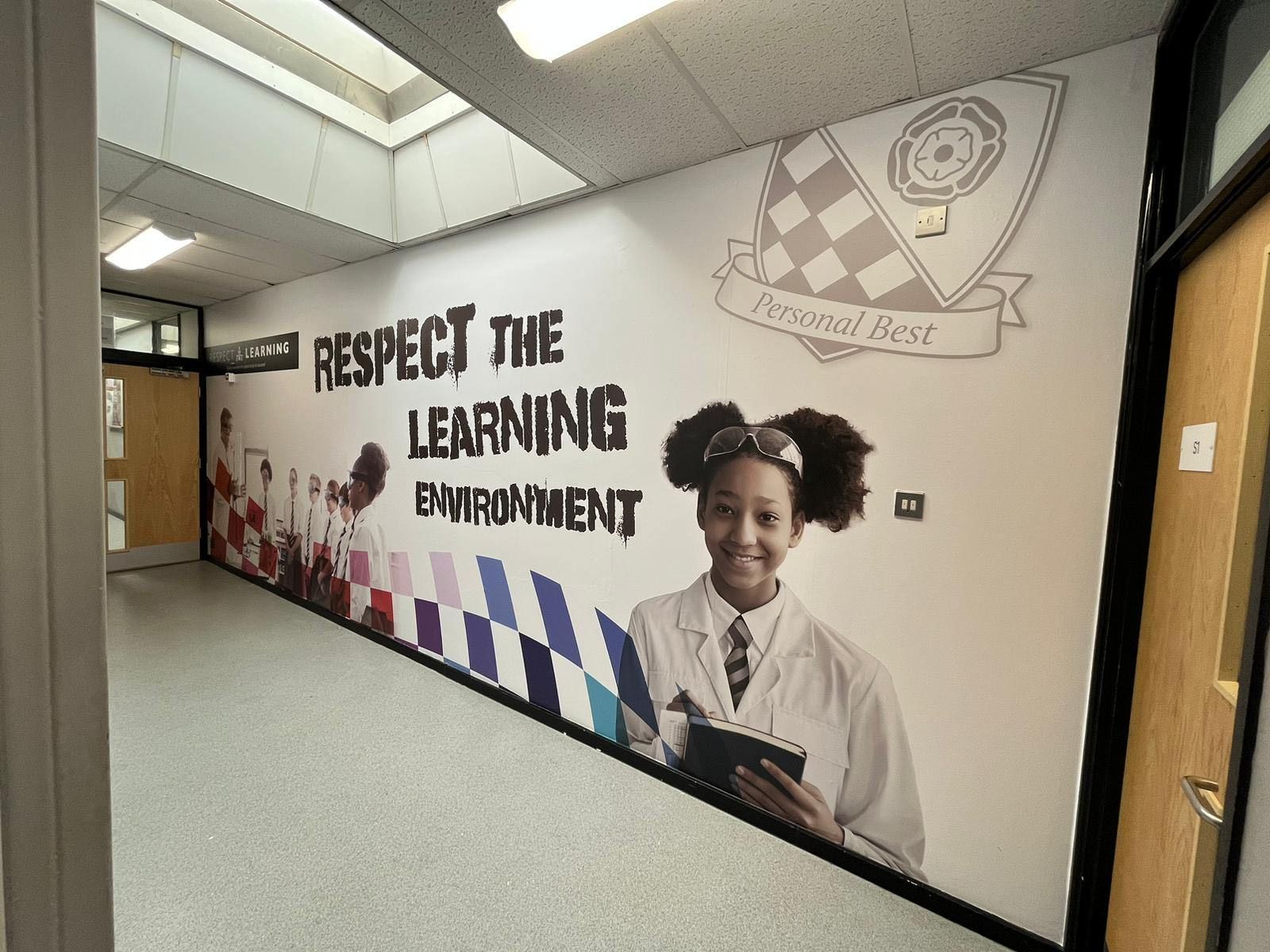
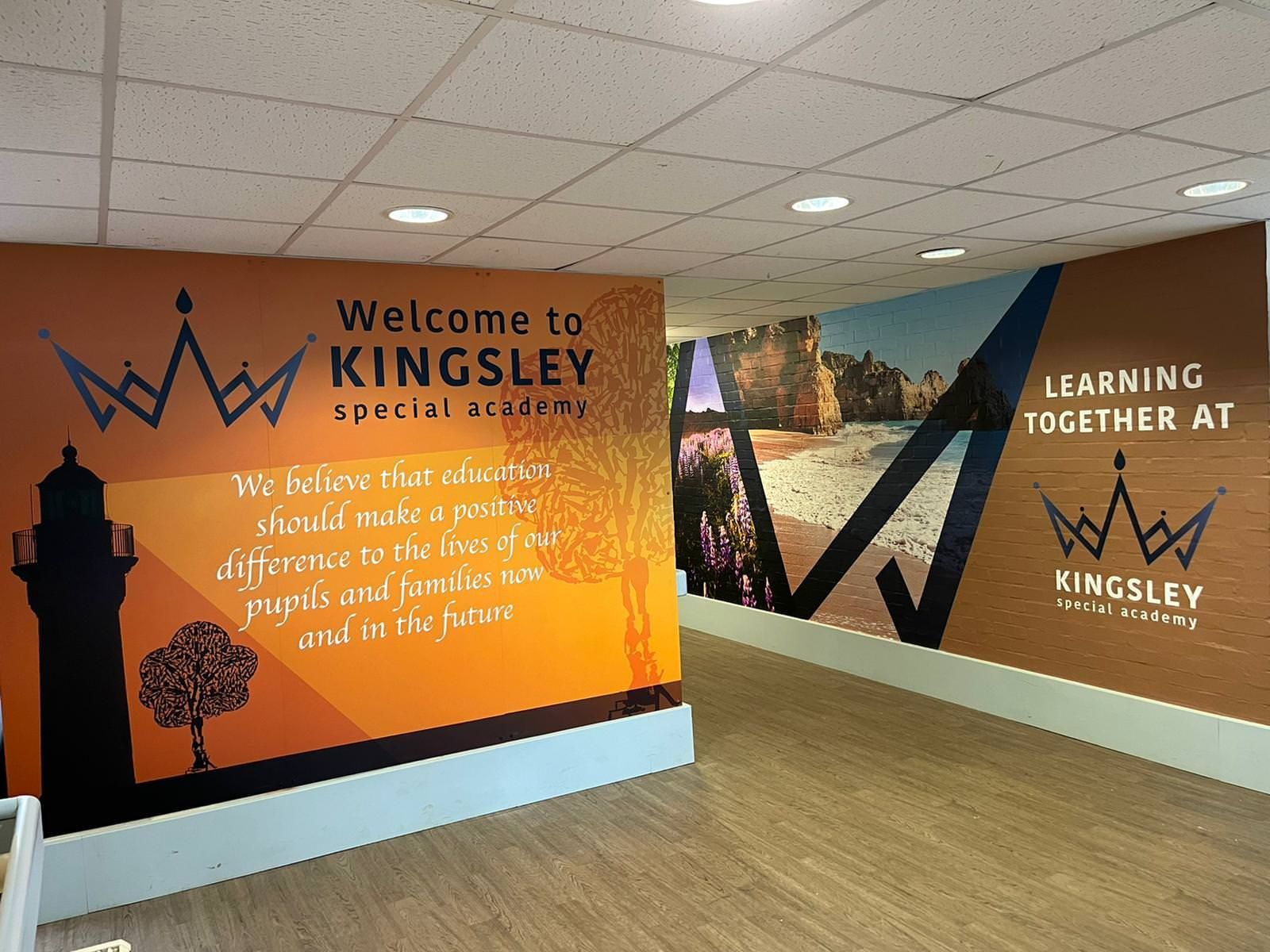
Wall designs can be a technique for cultivating comprehension in young learners by assisting them in interpreting and deriving meaning from visuals. This approach introduces symbols, icons, and visual representations that children can use to connect with ideas, language, and feelings. Below are suggestions for crafting and incorporating wall designs that boost literacy among children;
Crucial Aspects for Fostering Visual Comprehension
1. Symbols and Icons:
- Foundational Shapes and Colors: Introduce components using basic shapes and primary hues. Children can learn to identify and name these shapes and colours, which lays the groundwork for visual literacy skills.
- Everyday symbols depict objects and activities like animals, vehicles, and everyday household items to aid children in linking images with words and concepts.
2. Visual Narratives:
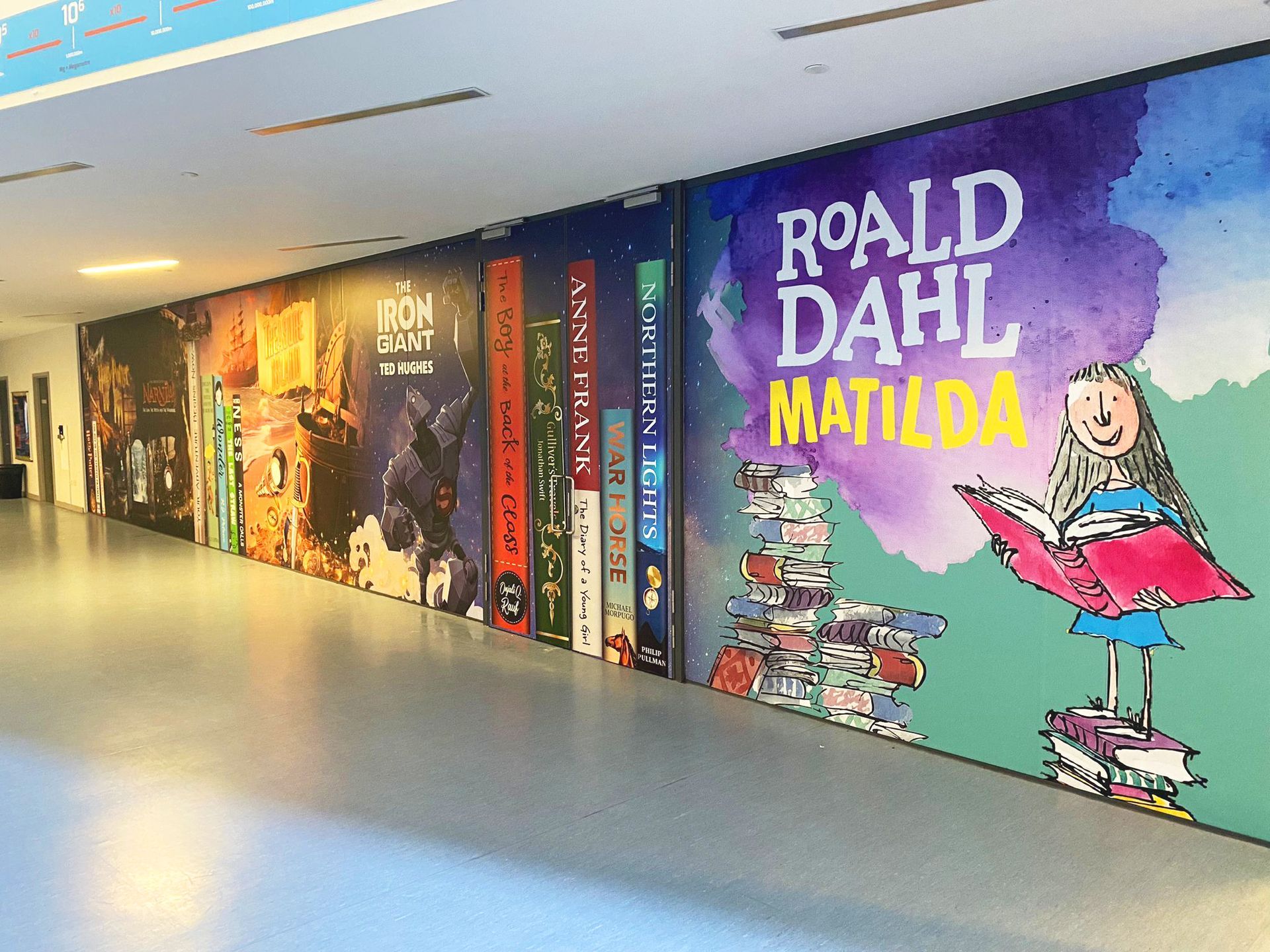
- Narrative Murals: Develop murals that narrate stories through visuals.
- This method assists children in grasping the order of events and understanding how elements in a story relate to each other.
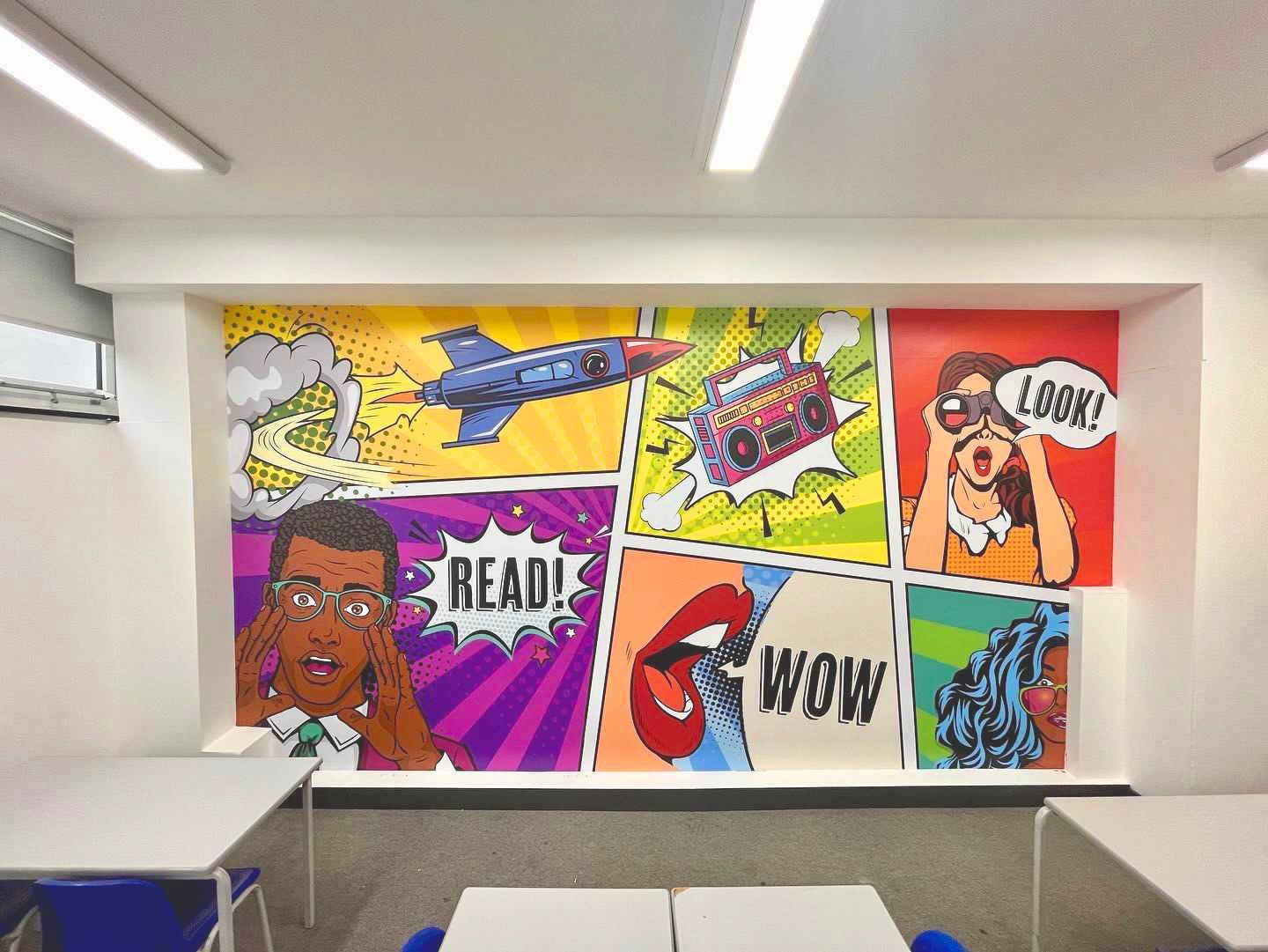
- Emotion Representation: Utilize expressions and body language in visuals to aid children in recognising and comprehending emotions.
3. Interactive Features;
- Writable Surfaces: Integrate areas where children can draw or place stickers motivating them to engage with and contribute to the visuals.
- Tactile Experience: Incorporate textures and tangible elements to stimulate children's sense of touch and enable them to connect sensations with stimuli.
Effective Placement for Optimal Impact
1. Educational Settings and Study Spaces;
- Alphabet and Numerical Displays: Craft vibrant, captivating visuals showcasing the alphabet and numbers. Use images for each letter and number to reinforce learning (e.g., A for Apple 1 accompanied by a dog).
- Word Exhibits: Establish displays featuring images alongside words, aiding children in linking pictures with vocabulary.
2. Passageways:
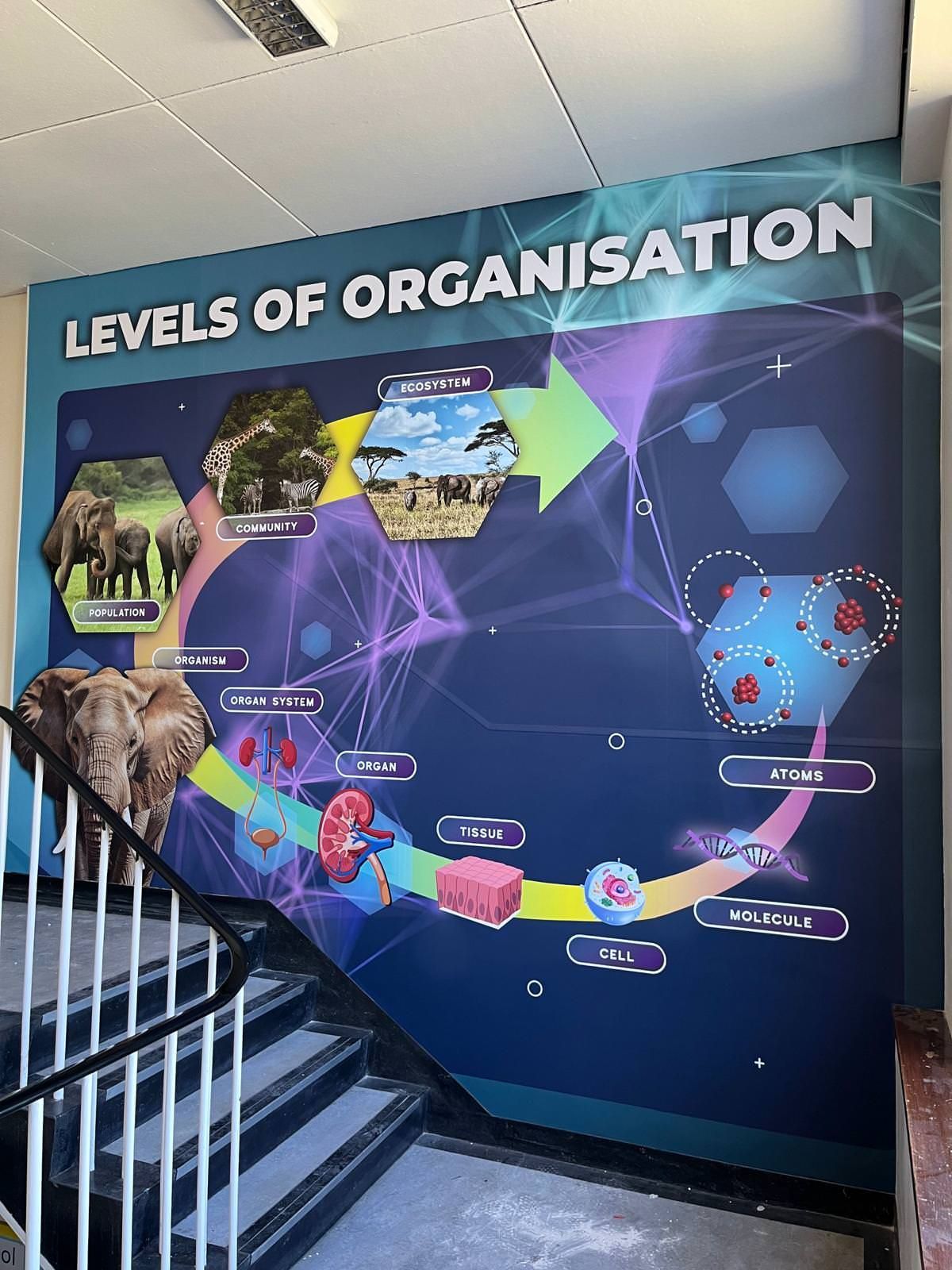
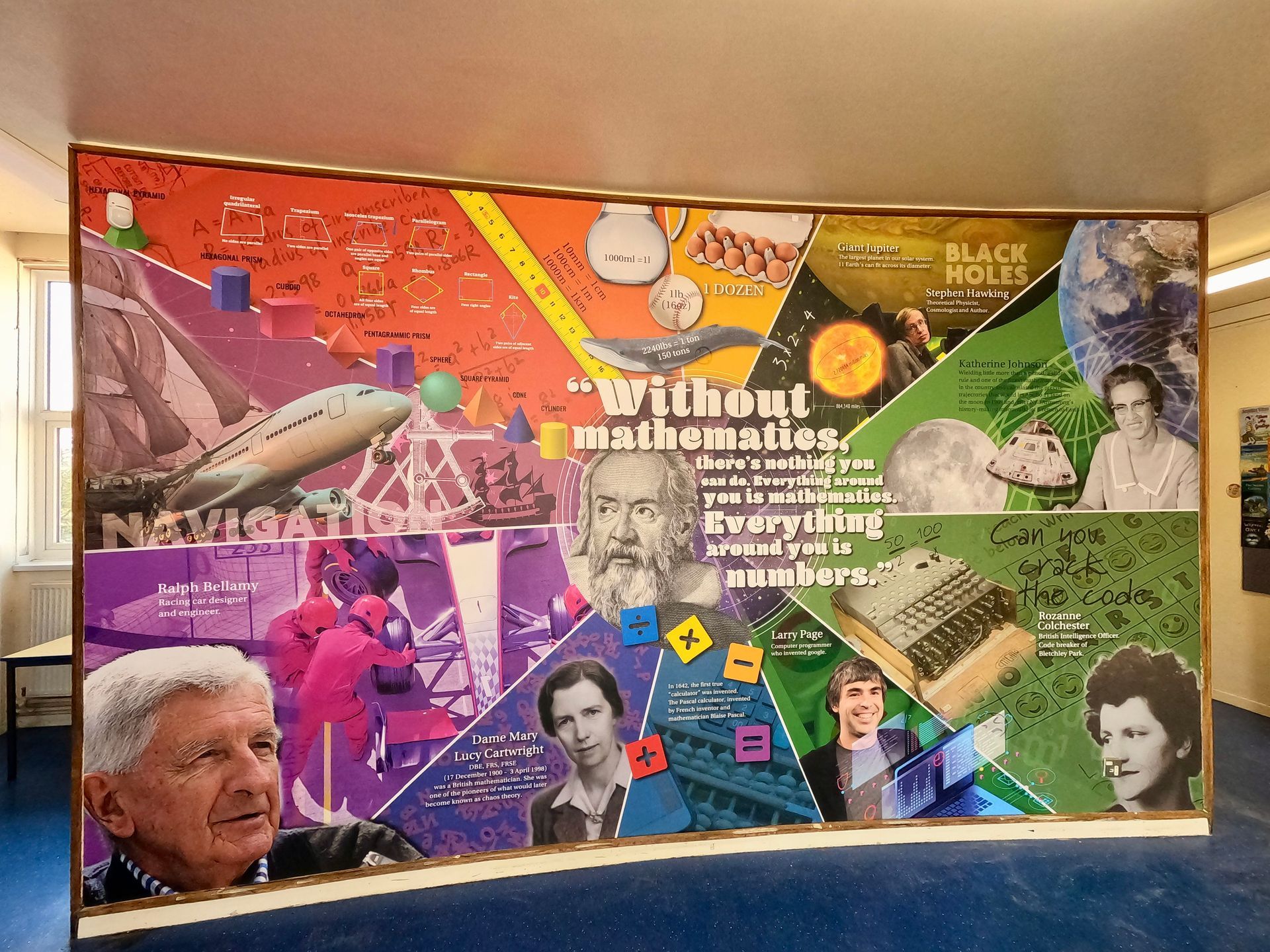
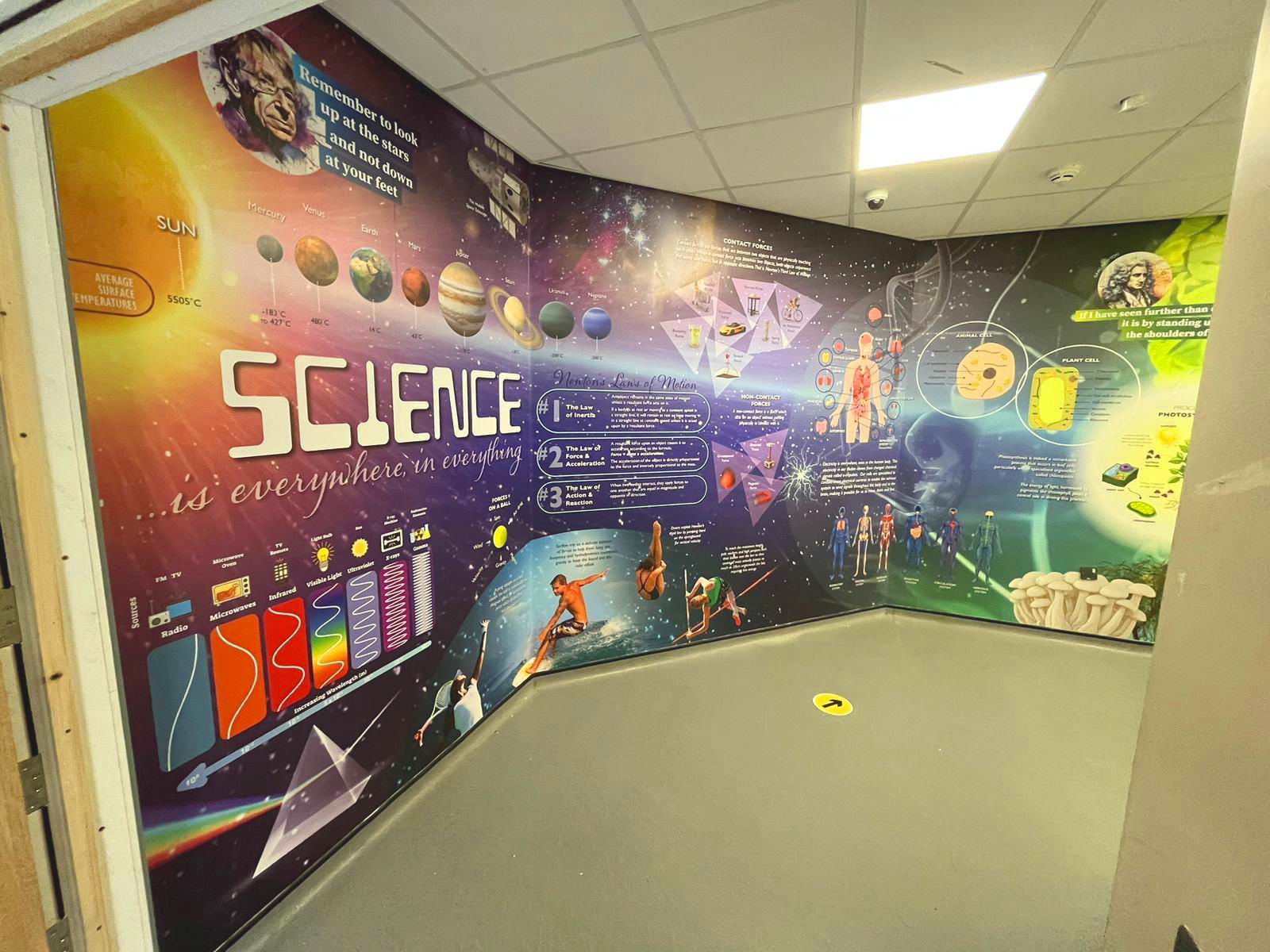
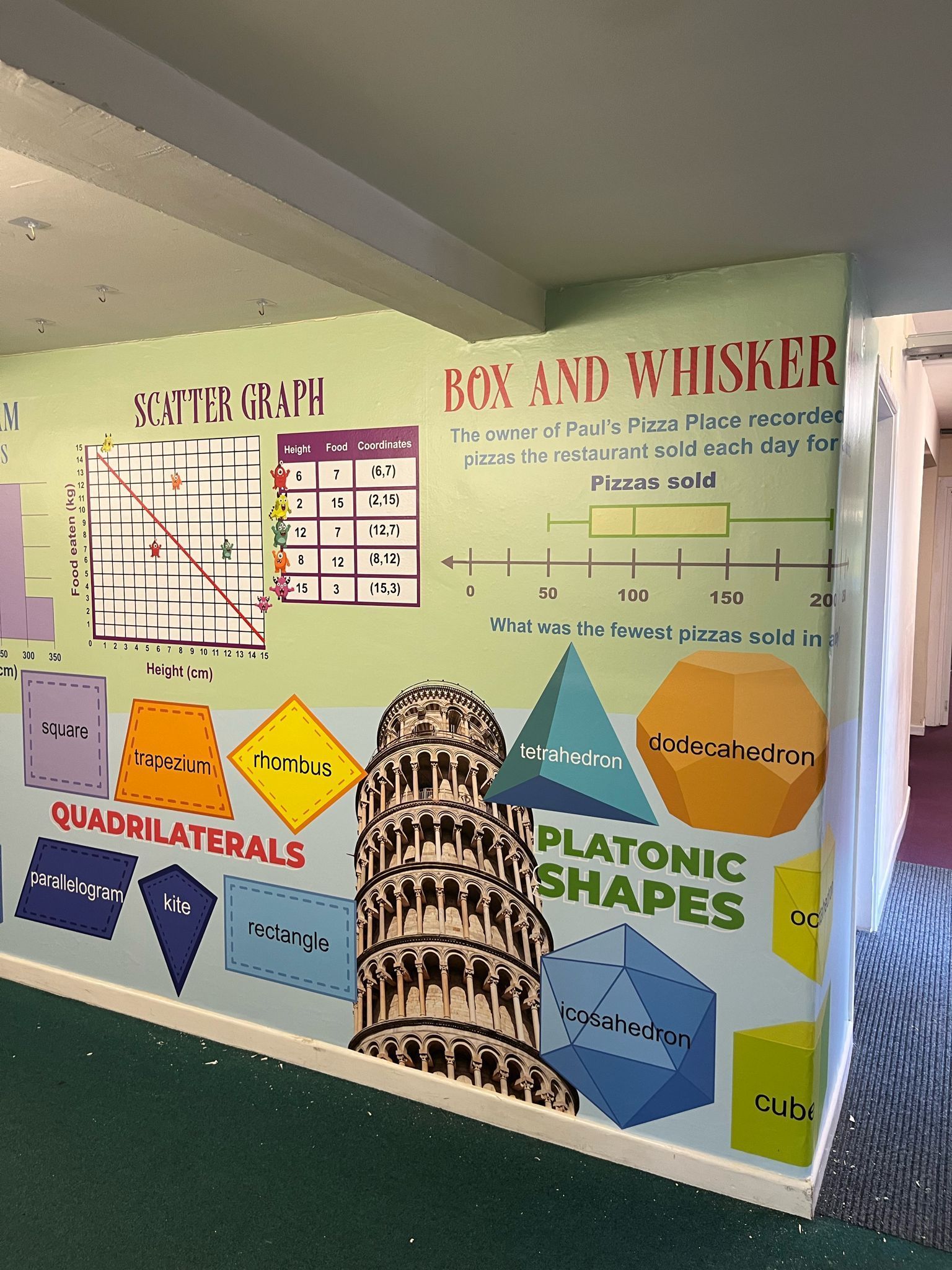
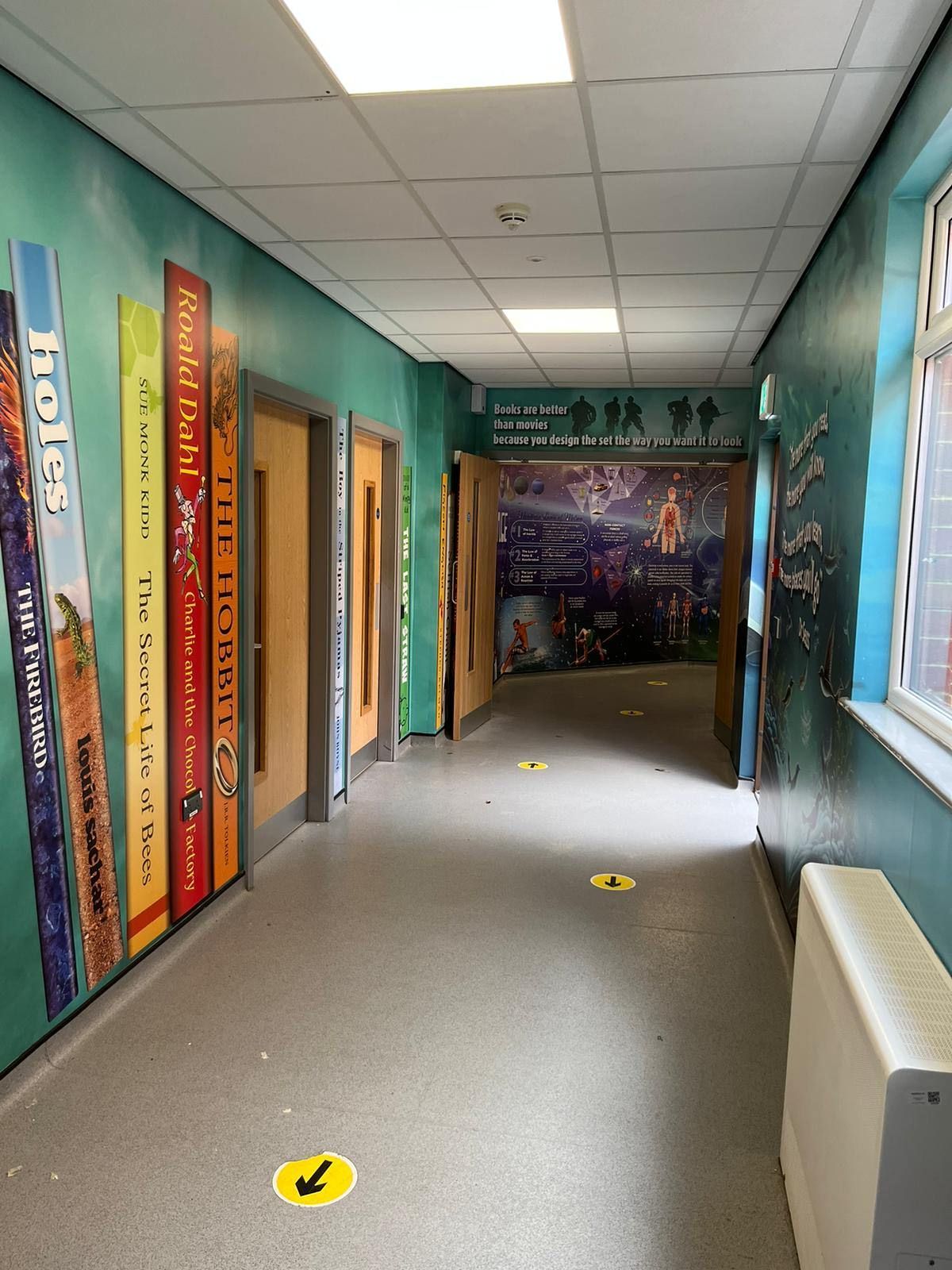
- Conceptual Artworks: Design murals that delve into concepts like seasons, weather or the solar system. Employ vivid—straightforward text to elucidate these ideas.
- Engaging Timelines: Develop timelines such as growth charts or daily routines that allow children to interact with them, fostering their comprehension of time progression and sequences.
3. Areas commonly. Play spaces;
- Boards of Emotions: Utilize boards showing emotions along with corresponding facial expressions and scenarios to aid in understanding emotions.
- Community Boards: Showcase images and symbols representing the community, helping children identify and connect with their environment.
Execution Plan
1. Collaborative Design Approach;
- Involvement of Teachers and Parents: Engage teachers and parents in the design process to ensure that the visuals align with objectives and resonate with children's experiences.
- Expert Designers: Collaborate with designers specialising in childhood education to craft age-appropriate and captivating visuals.
2. Selection of Materials:
- Sturdy and Safe Materials: Select nontoxic and safe materials for young children to interact with.
- Friendly Choices: Opt for materials to instil environmental awareness in children from an early age.
3. Professional Setup:
- Skilled Installation: Ensure installation for safety and visual appeal, preventing alignment issues or damage.
- Child Accessible Placement: Position graphics at heights so children can easily see and reach them as they learn.
4. Upkeep and Enhancements;
- Routine Maintenance: Establish a cleaning and maintenance schedule to maintain the visuals' appeal.Content Updates: Planning for updates to bring in ideas and maintain a dynamic and engaging environment is essential.
Examples of Visual Literacy Wall Graphics;
1. Alphabet and Number Wall:
Design: Imagine a wall adorned with the alphabet paired with images (e.g., A for Apple, B for Ball), numbers, and quantities (e.g., one apple, two dogs).
Impact: This setup assists children in connecting letters and numbers with objects, aiding in their recognition and comprehension.
2. Story Mural:
Design: Imagine a mural that narrates a story through a sequence of images depicting a day in a child's life or an animal's adventurous journey.
Impact: This artwork encourages children to follow along with the storylines and events and grasp the essence of storytelling.
3. Emotion Board:
Design: Visualize a board showcasing emotions through expressions and scenarios, like a joyful child playing or a sad one missing their toy.
Impact: This display helps children identify emotions and understand their expressions.
4. Interactive Growth Chart;
Design: Envision a growth chart mural where children can mark their height progress over time.
Impact: By engaging with this chart, children grasp the idea of growth and change, making abstract concepts more tangible and relatable.
In conclusion
Integrating appealing and interactive wall art in schools can greatly boost the growth of literacy among young kids. These graphics add charm to the setting and offer valuable learning advantages, aiding children in understanding and deriving significance from visual content. This method nurtures a passion for learning and discovery, establishing a base for achievement in the future.