Tips for teachers - 16

Bringing Math to Life: Connecting Mathematics to the Real World

Introduction:


Teachers constantly seek innovative methods to enhance learning in the dynamic world of education. Craig Barton, a renowned educator, advocates for 'Intelligent Practice' – a strategy that transcends traditional practice by targeting specific skills and fostering more profound understanding. This blog post delves into how teachers can implement this approach.


      Understanding Intelligent Practice:


Intelligent Practice is not just about repetition; it's about engaging students in activities that sharpen specific skills while deepening their comprehension of the subject matter. This method challenges students to think critically and apply their knowledge in diverse scenarios.


Tips for Incorporating Intelligent Practice:


  • Identify Core Skills:

Begin by pinpointing the essential skills your students need. These could be based on curriculum standards, assessment feedback, or observed learning gaps.


  • Design Targeted Exercises:

Develop activities tailored to these skills. Ensure they are challenging yet achievable, promoting engagement and preventing frustration.


  •   Foster Conceptual Understanding:

Move beyond rote learning. Design exercises that encourage students to explore underlying principles and apply them in various contexts.


  • Diversify Activity Formats:

Use different activities, such as problem-solving tasks, real-life scenarios, and group projects, to cater to varied learning styles.


  • Provide Constructive Feedback:

Offer timely feedback to help students understand their mistakes and learn from them, an essential aspect of Intelligent Practice.


  • Encourage Self-Reflection:

Teach students to assess their work, fostering independence and deeper learning.


  • Gradually Increase Complexity:

As proficiency grows, introduce more complex tasks to challenge and develop students' skills and understanding continuously.


  • Leverage Technology:

Incorporate educational technology to provide interactive and adaptive learning experiences.


  • Promote Real-World Application:

Please encourage students to apply their learning in new and varied situations, emphasising the practical relevance of their skills.


  • Reflect and Adapt:

Regularly evaluate the effectiveness of your practice activities and be open to adjustments based on student needs and responses.


Conclusion:


Intelligent Practice, as championed by Craig Barton, is a transformative approach to modern education. Teachers can create a more engaging and effective learning environment by focusing on targeted skills and deeper understanding. Embrace these strategies not only to teach but also to inspire your students.
By angel March 2, 2026
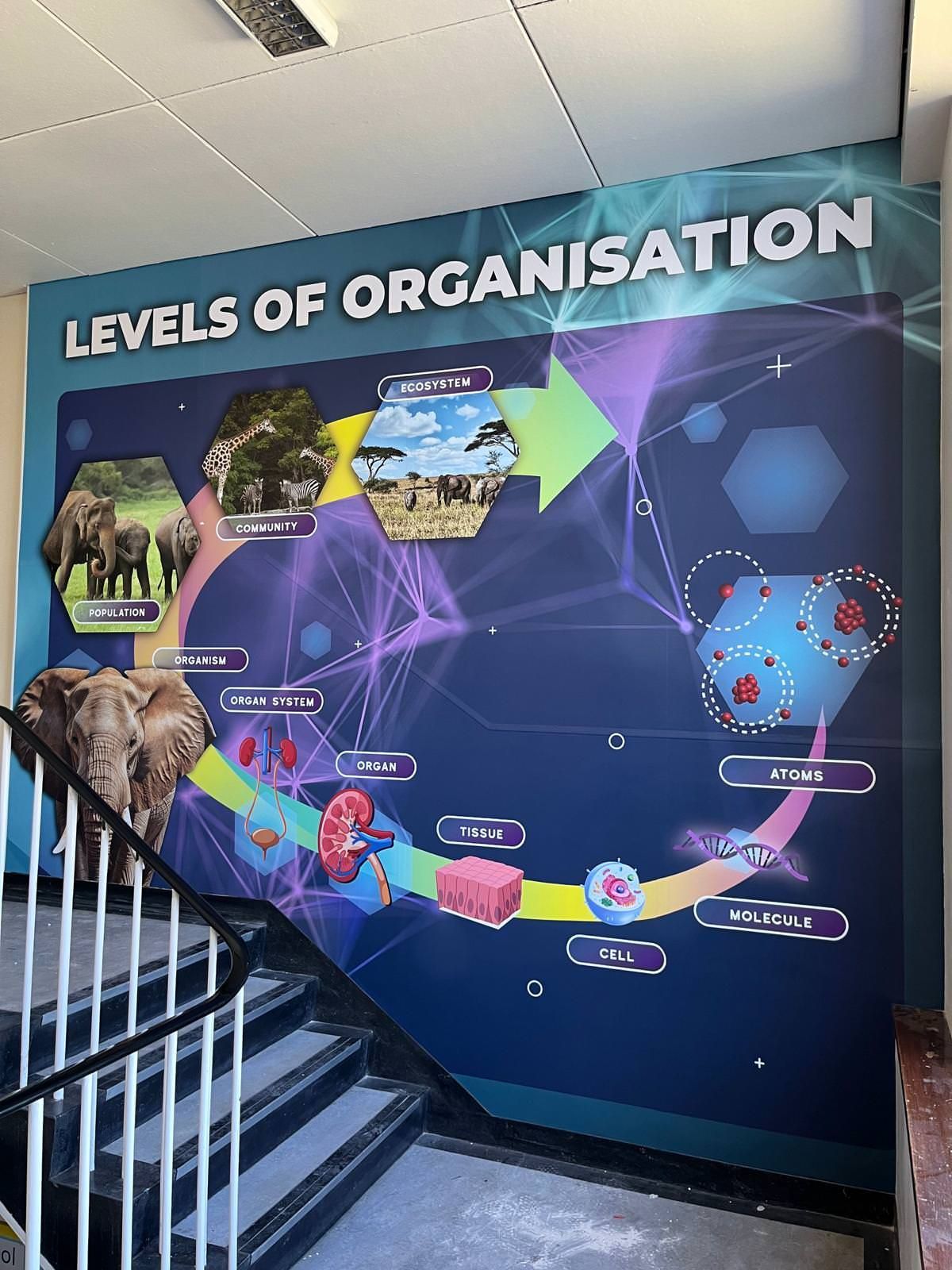
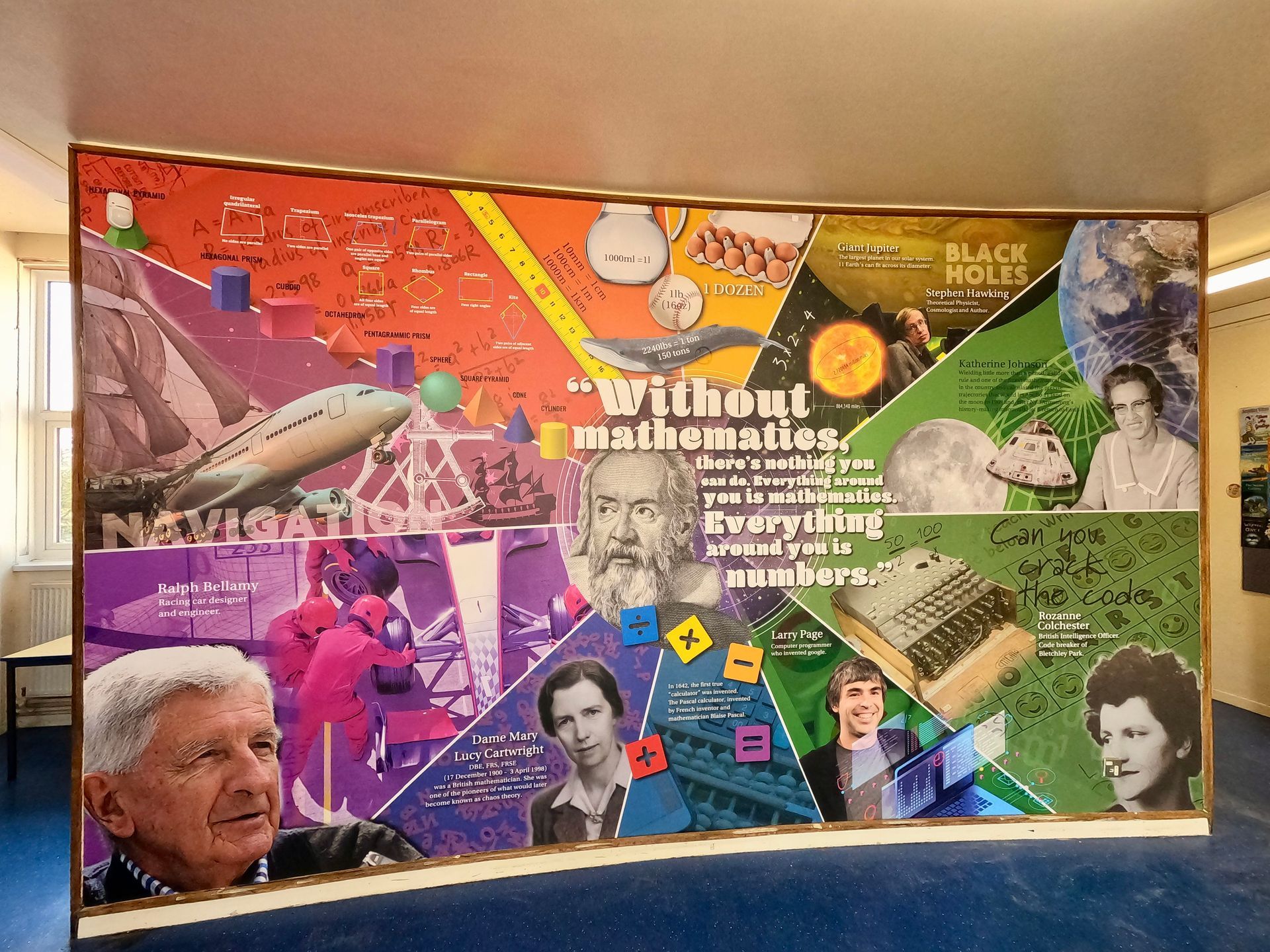
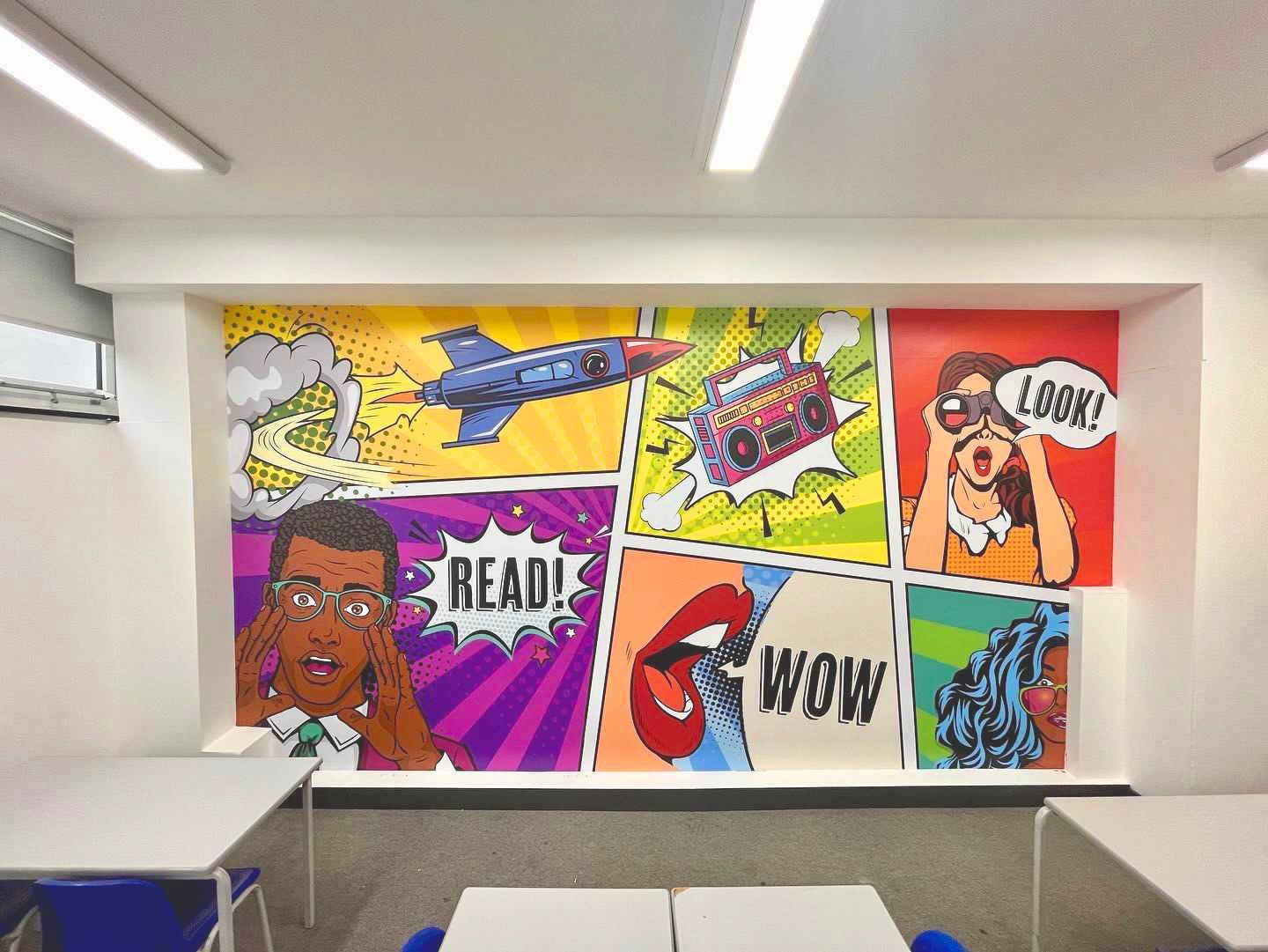
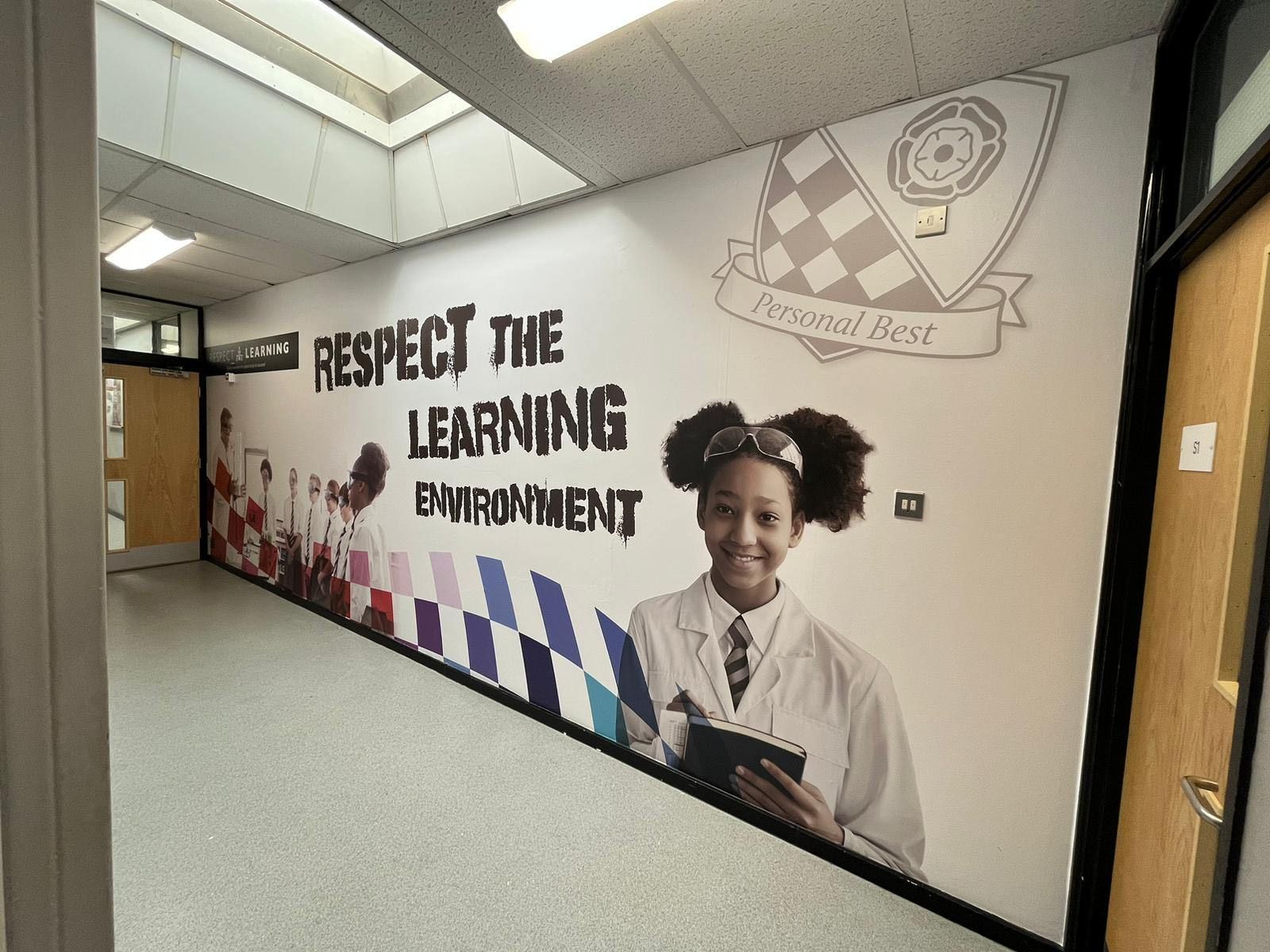
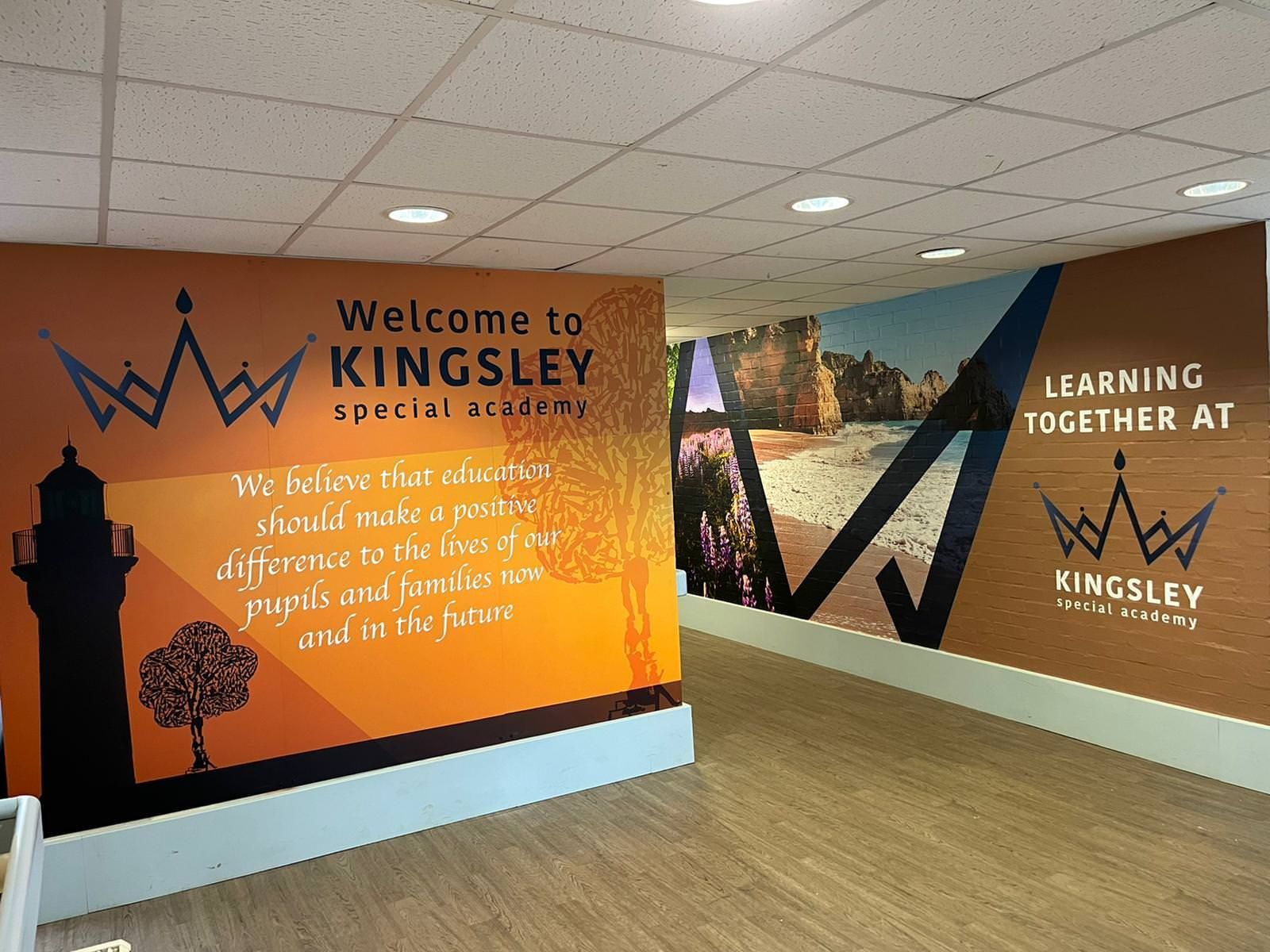
An Open Evening is not just an event on the calendar. It is a defining moment. Before the results are discussed. Before the curriculum is explained. Before questions are asked. Families are already forming an opinion. And your environment is leading that conversation. The Challenge: You Only Get One First Impression When parents walk through your doors, they are looking for reassurance. Is this school calm? Is it ambitious? Does it feel purposeful? Will my child belong here? A blank wall is a mystery. An inconsistent board confuses. A wall that has not changed for months or years is an indicator that communication with the wall is not important. But clear, intentional design builds confidence immediately. Your space either reinforces your message — or distracts from it.
By Gary Boad February 21, 2026
Step into any hallway at school. Something sits there before any text shows up at all. Quiet. A spark of drive. Heat in your steps. Yet at times, everything feels too heavy to carry A flash of colour stirs something deep, almost right away. Inside classrooms, that instinctual reaction holds weight - greater than many allow themselves to see. What keeps people okay isn't only rules or school counsellors. It shows up in each part of the daily world that kids navigate.
By angel February 13, 2026
A school hallway might hold paintings, award posters, and a time chart. Imagine stepping inside a quiet hallway. What happens if young learners find themselves wandering past moments from long ago? Every day, history timeline walls quietly spark interest. They transform ordinary rooms into moments where people pause, talk, and wonder. Curiosity grows without fanfare. Culture comes alive through simple displays. Conversations start where none were expected.
By angel February 7, 2026
Before a single word is spoken, a school has already started talking. From the moment someone steps through the doors, the environment sends signals. Calm or cluttered. Confident or uncertain. Purposeful or forgotten. These first impressions shape how visitors feel — and how much trust they place in the school.
By angel January 31, 2026
Giving pupils a visible voice in their school What kids think shows up on those walls - transparent, seen, shared. Their thoughts take shape in ways others can notice. This place proves voices count, without saying it outright. Not tucked away. Right there on the walls.
By Gary Boad January 24, 2026
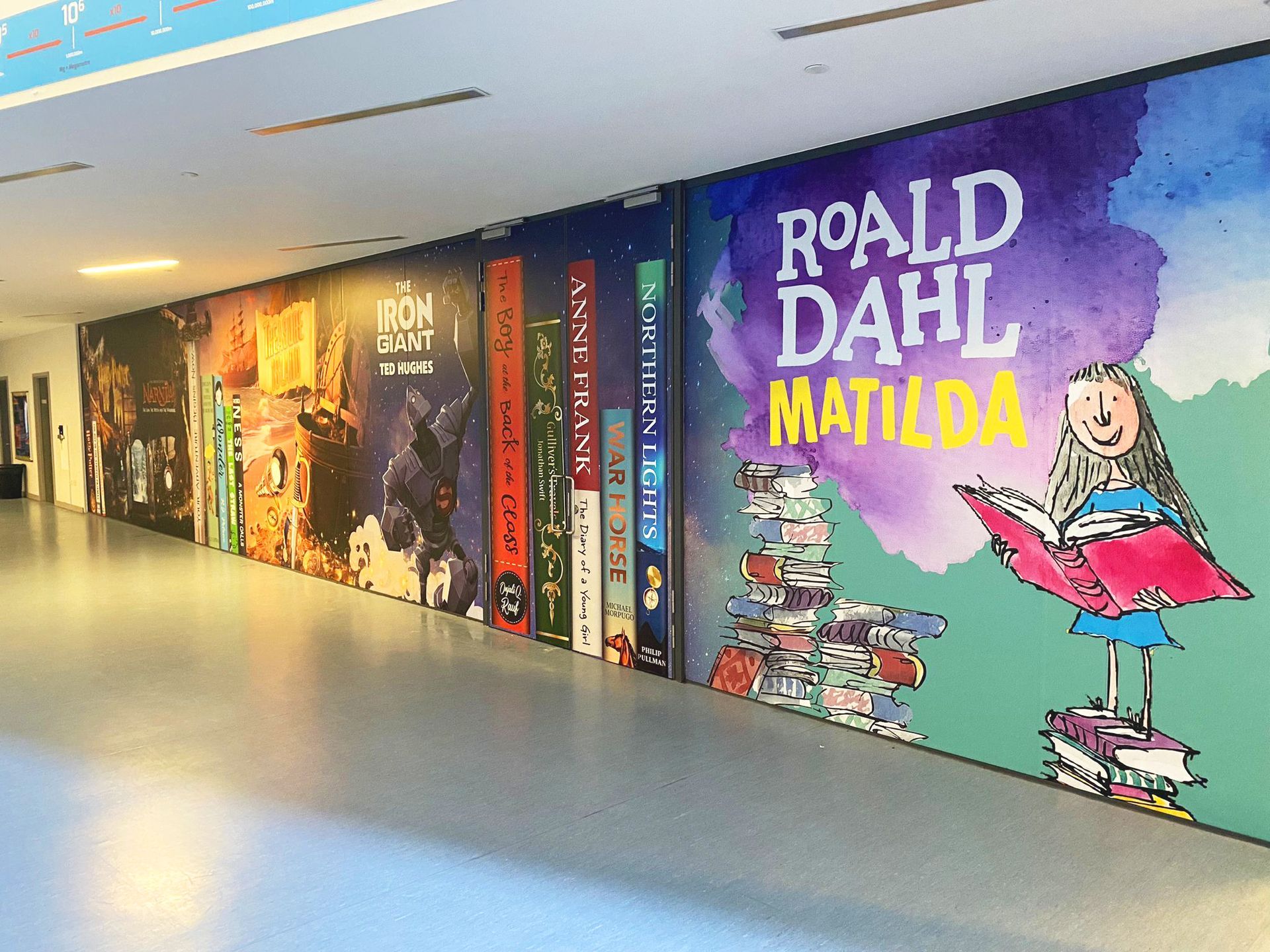
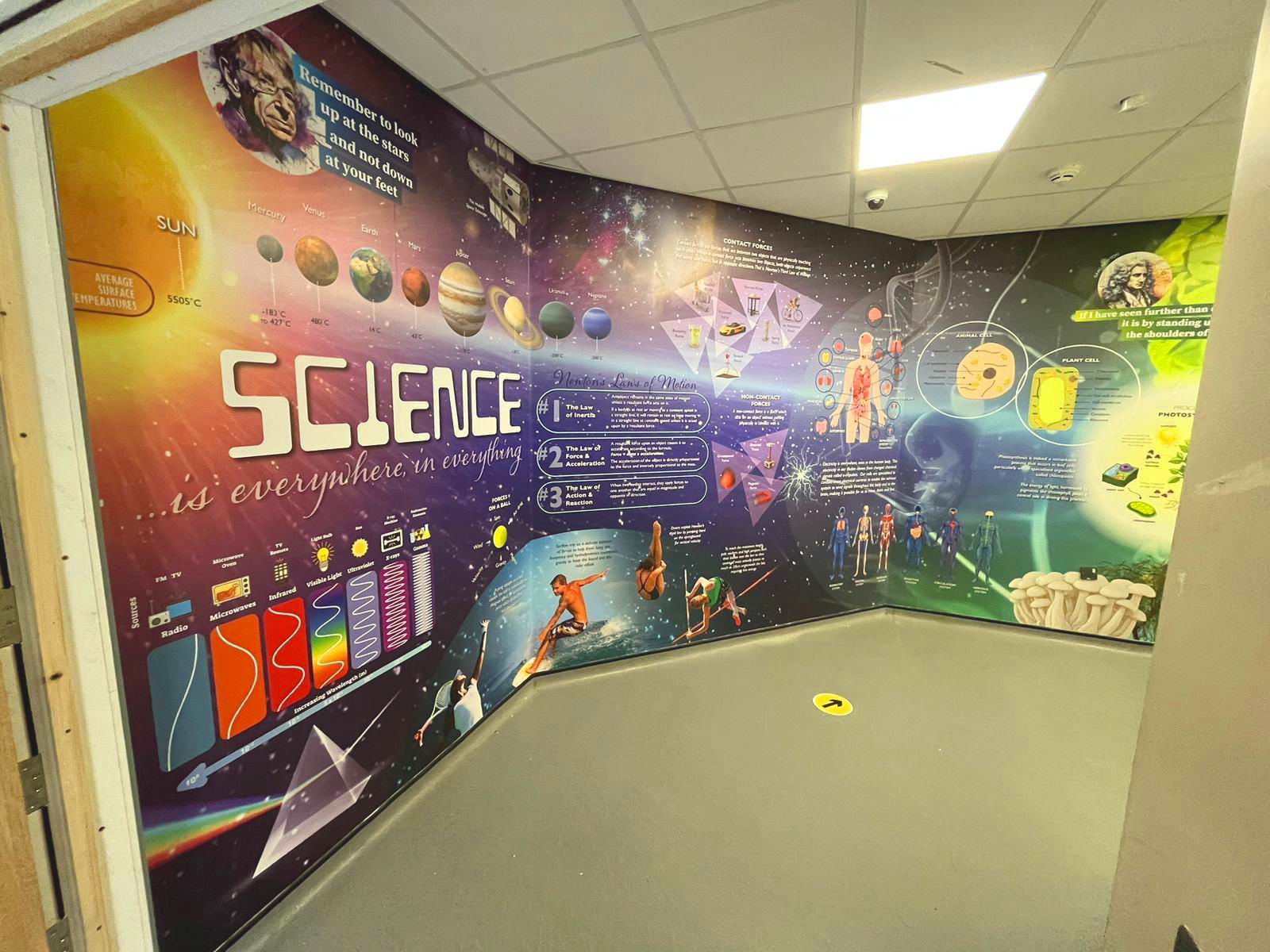
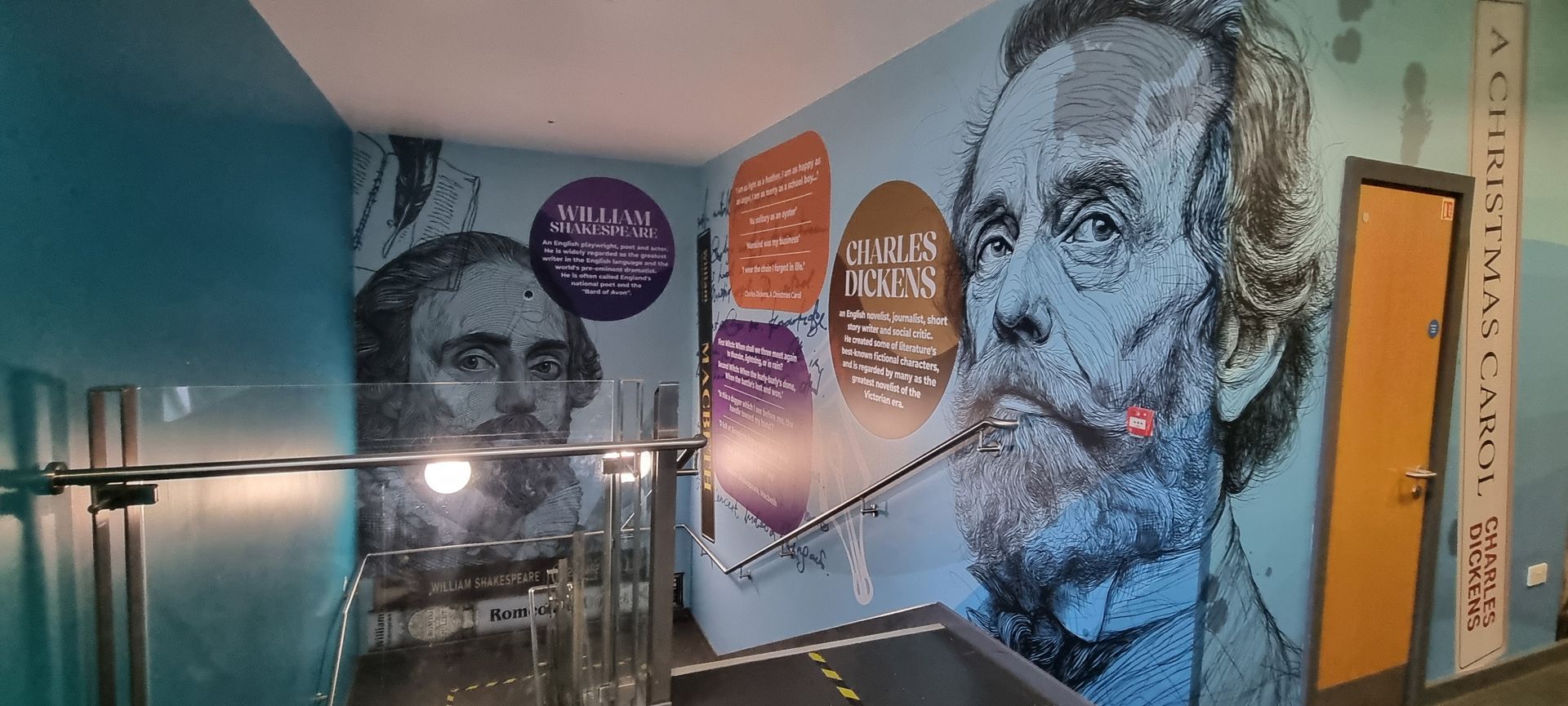
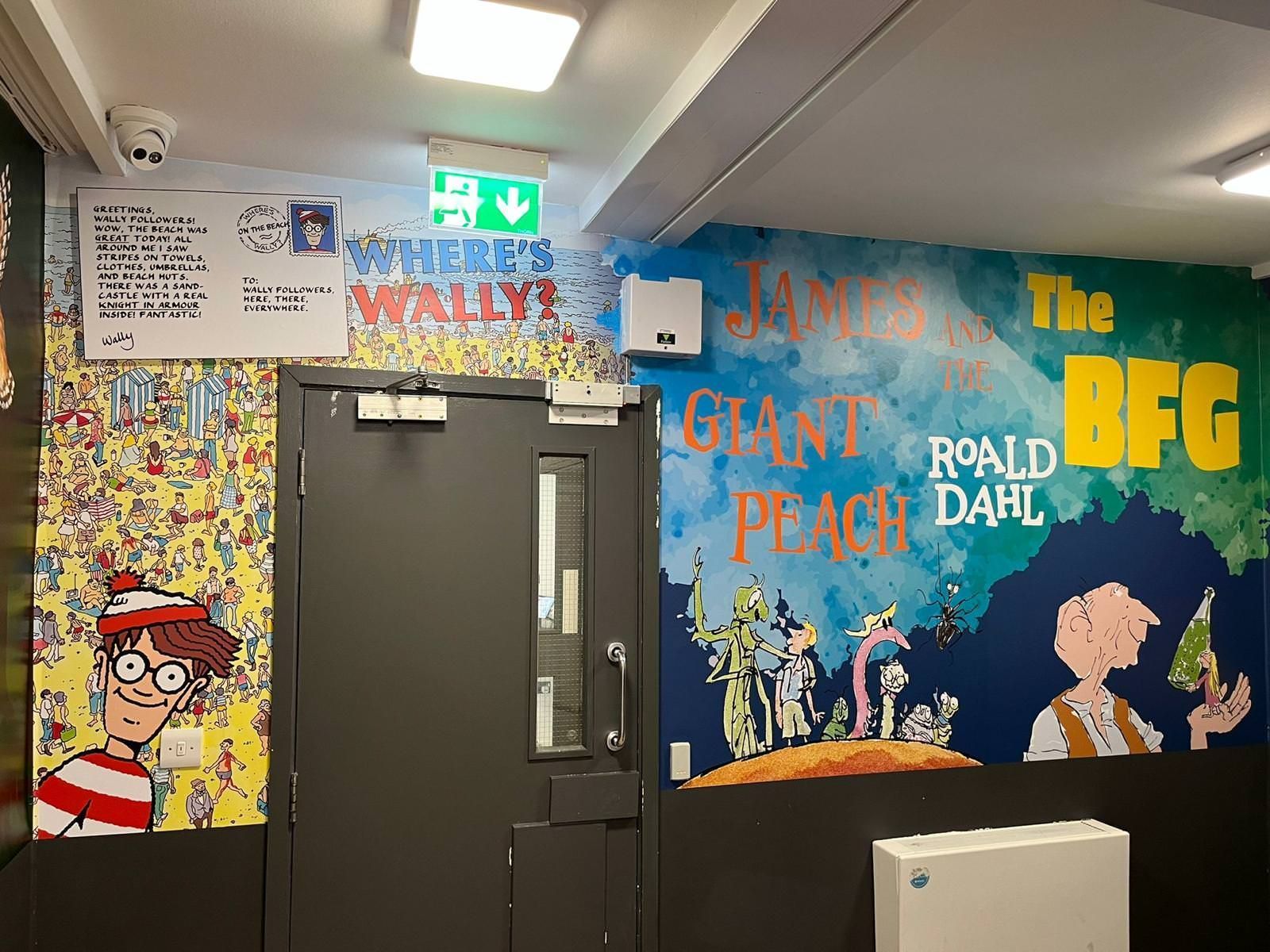
When we think about learning spaces, classrooms get most of the attention. But pupils spend a huge part of their day moving through corridors. These spaces shape first impressions, daily routines, and how learning feels beyond the classroom door. With the right approach, corridors can become powerful learning tools.
January 17, 2026
Hours fade fast when school never ends. Classrooms hold them tight, then hallways pull them forward, lines forming where doors once stood, faces repeating like seasons that won't turn. Feelings start to mould themselves into every corner, brick by quiet brick. Around them, little things shape how kids feel day by day. Moments like these add up without making a noise. Their inner world shifts because of colours on the walls, soft lighting, or quiet corners. Noticing this helps understand what goes unseen.
By angel January 10, 2026
A classroom often reveals more than it teaches. What people do in hallways and near walls often tells them what to expect long before anyone talks about it. January gives schools the space to notice this story. Slowly now, things come to rest. Routines settle. Leaders gain clarity.
By Gary Boad December 13, 2025
This is a subtitle for your new post
By angel December 13, 2025
Wall graphics enable schools to create winter magic throughout their facilities, fostering festive-season inspiration. The school hallways develop their own unique magic during the weeks leading up to Christmas. The air feels a little lighter. Students become more aware of their surroundings. The students begin to explore fresh, creative paths through their imagination.
More Posts

Back to home