Parents start forming an impression before anyone says hello. They notice whether the entrance is easy to find, whether the building feels cared for and whether the school’s values are visible in the space around them.
Your website and prospectus make a promise. The entrance, reception and tour route show parents whether that promise feels real. Here’s what they’re likely to notice, and how to make those first moments count.
What do parents notice first?
Parents first notice whether they can arrive without confusion and feel welcome once they do. They see the gate, entrance and signs. Then they take in the reception, the condition of the space and the first message the school shares about itself. These quick impressions are not a formal inspection, but they can set the tone for the whole visit.
Think about the arrival from a parent’s point of view. Is the right entrance obvious? Can they tell where to go next? Is the reception easy to spot, or do they have to stop and work it out?
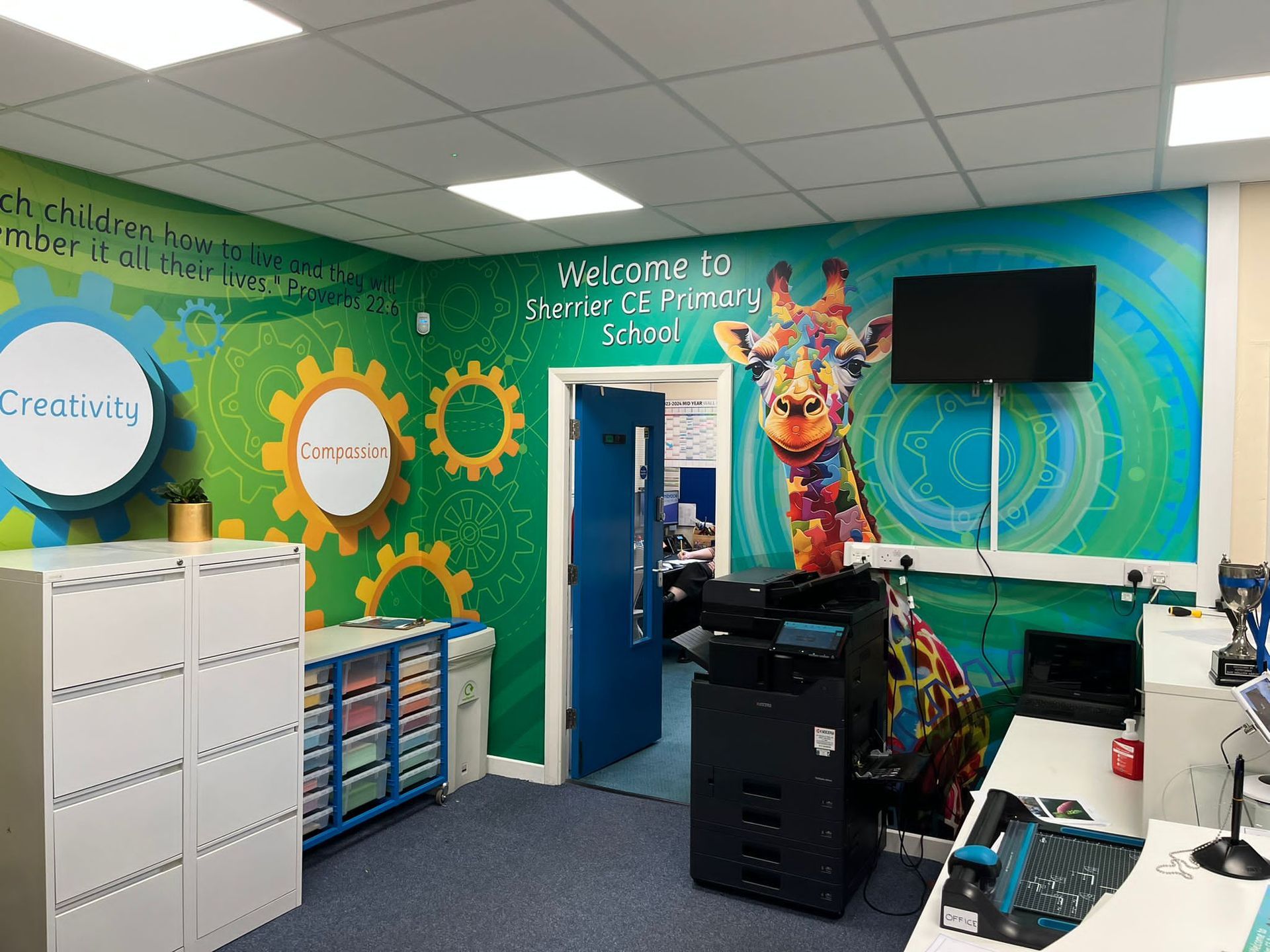
Once inside, their eyes move to the welcome wall, windows, signs and general condition of the space. A tidy, clear environment feels cared for. A jumble of old notices or faded messages can distract from the warm welcome your staff are ready to give.
How does the physical school compare with your website?
The building should make the same impression as your website. If your online story is about belonging, ambition and a rich learning experience, but the arrival route feels neglected or confusing, parents may notice the mismatch before they hear your explanation. Your physical environment does not need to look expensive. It needs to feel considered and true to your school.
This is where school branding matters. Consistent colours, language and visual cues help connect the website, entrance and tour. But branding is more than placing a logo on a wall. It is showing what your school stands for in ways that feel specific and relevant, rather than relying on generic values words.
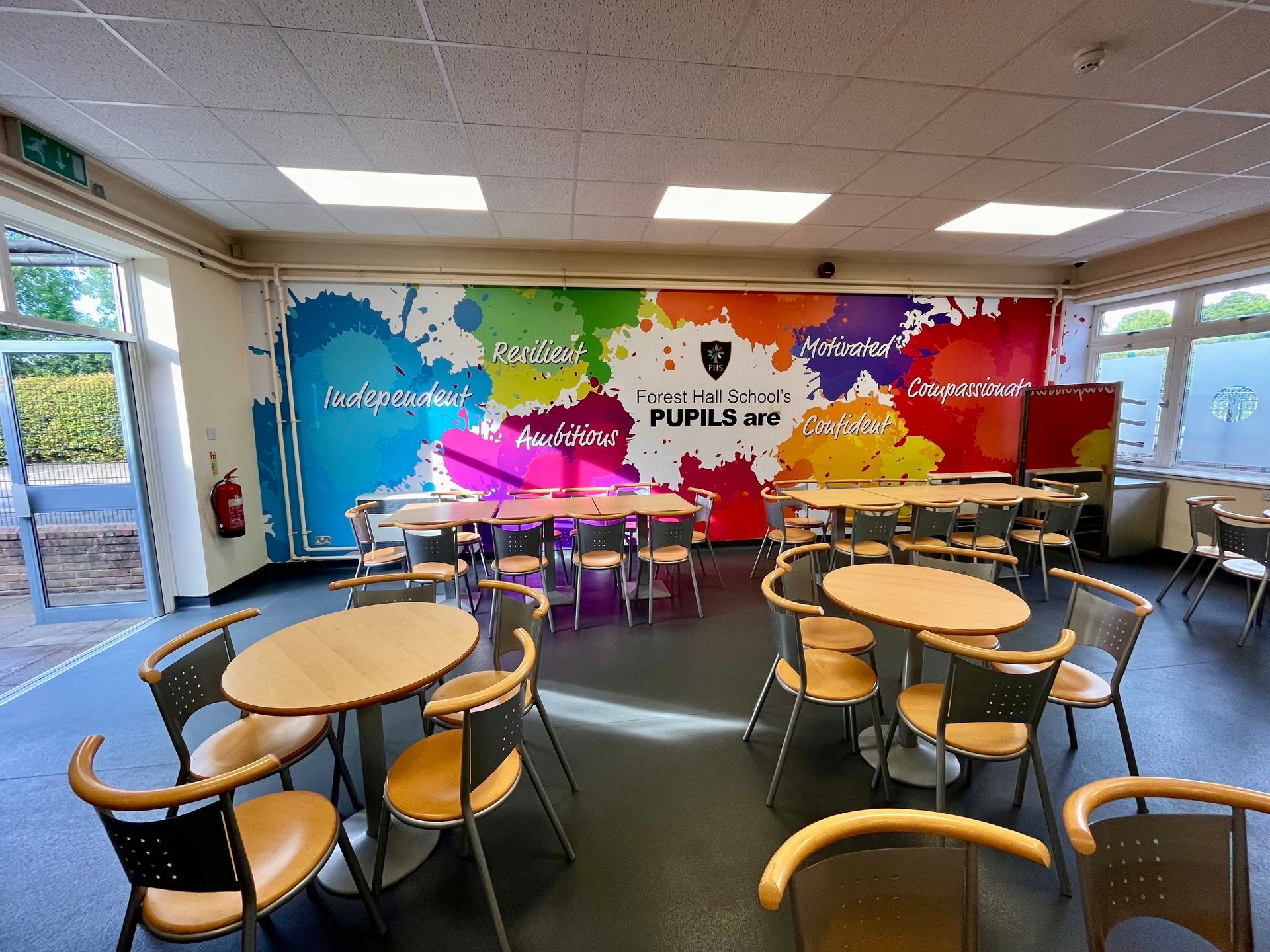
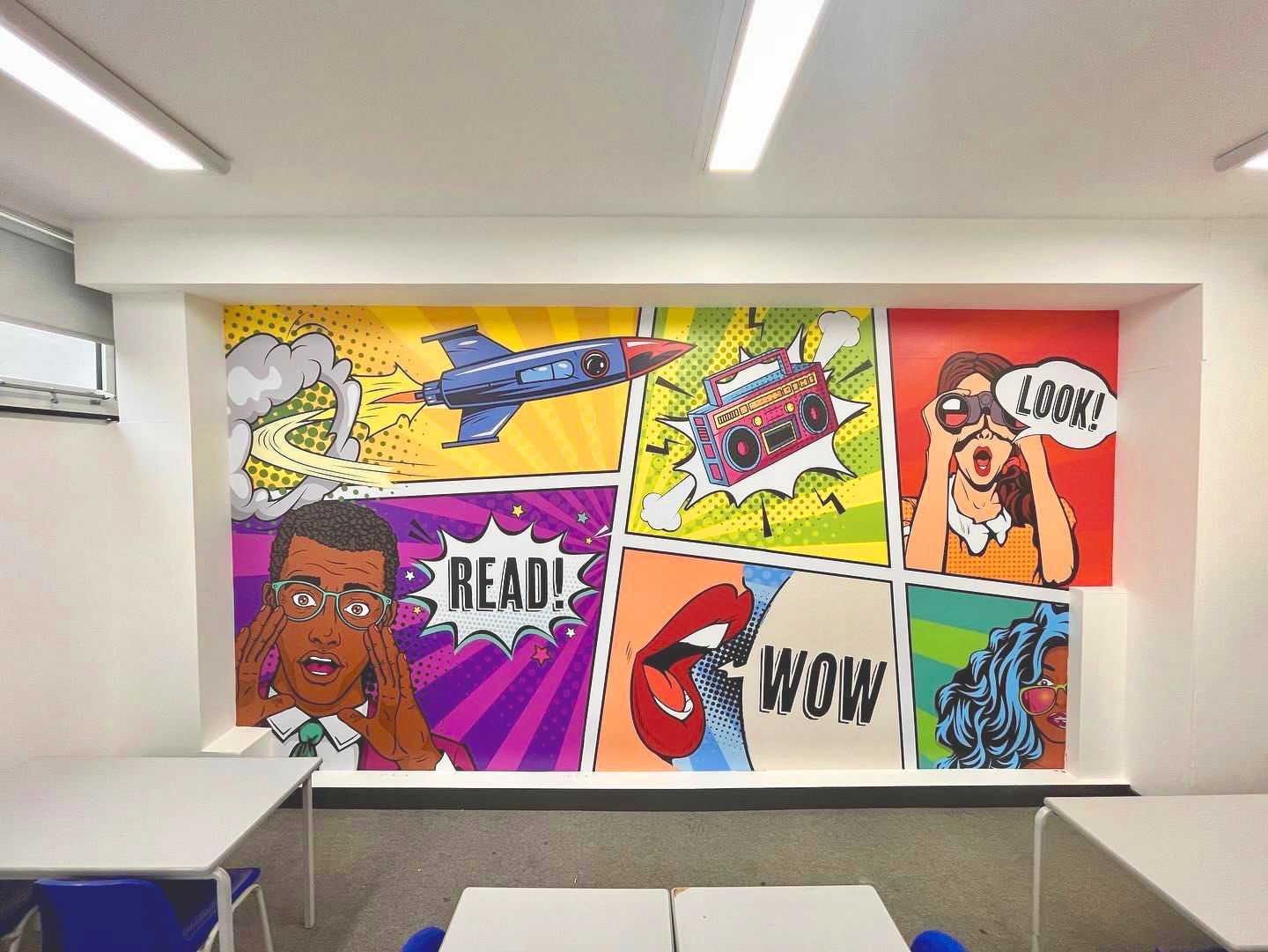
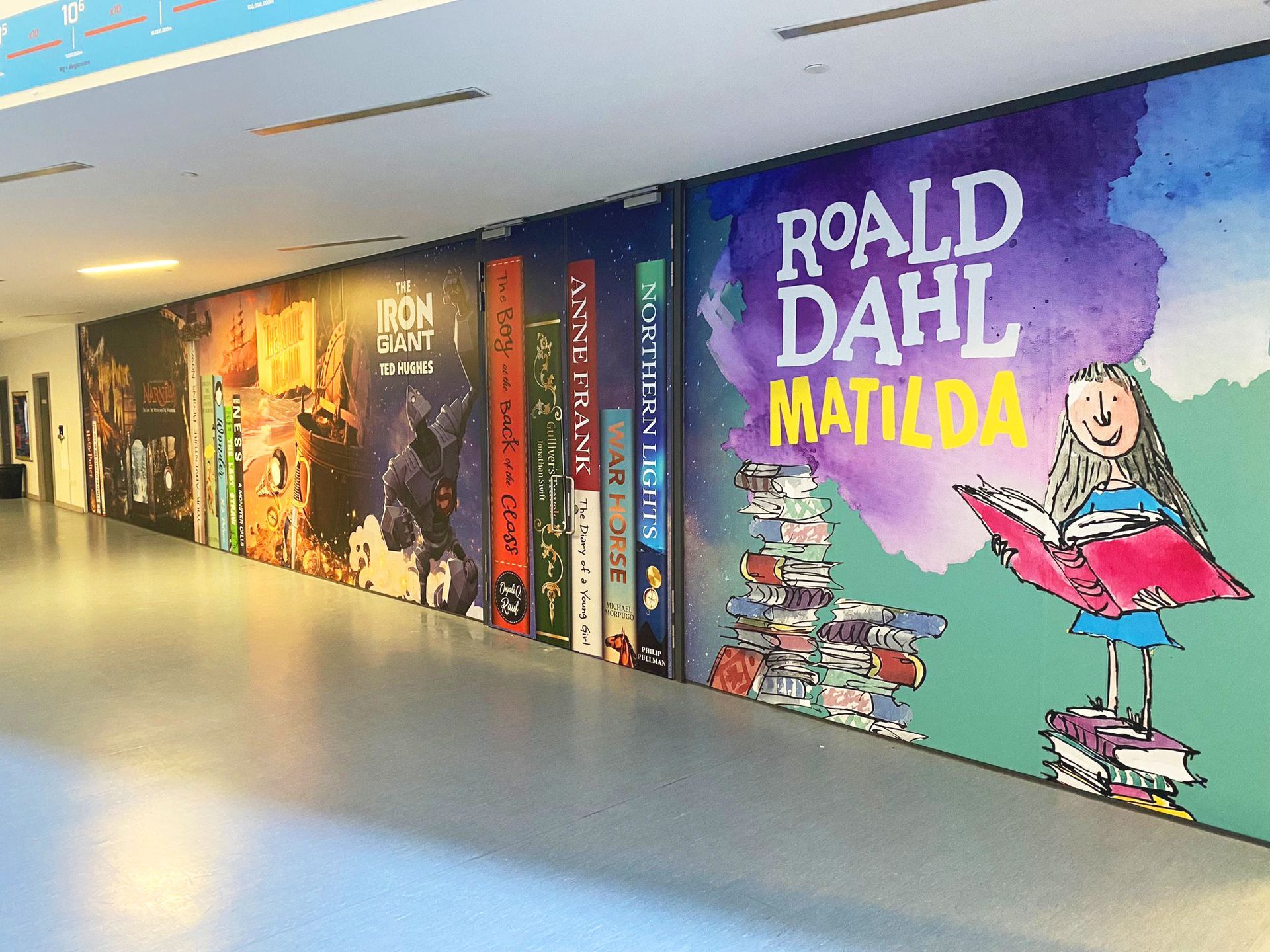
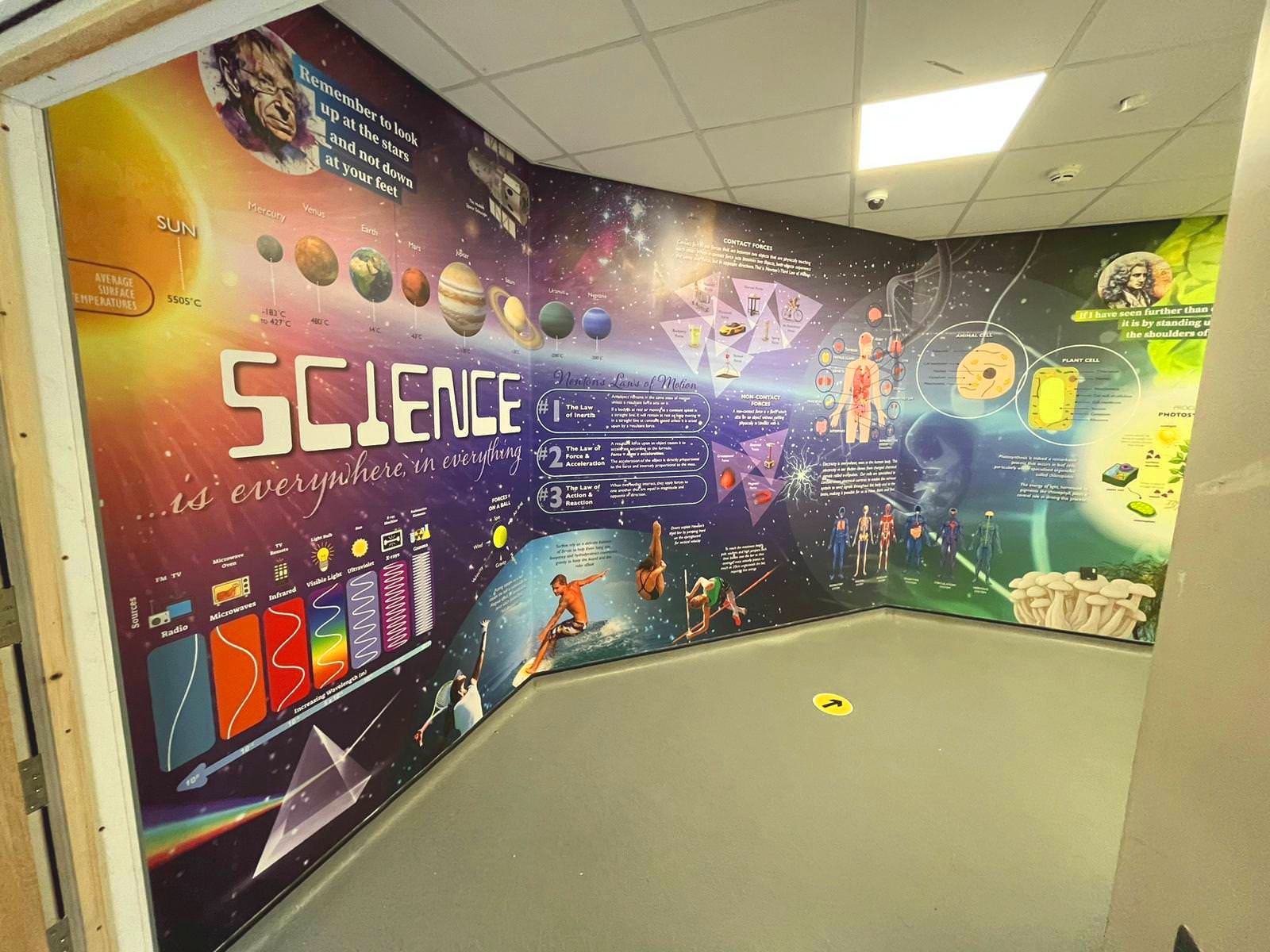
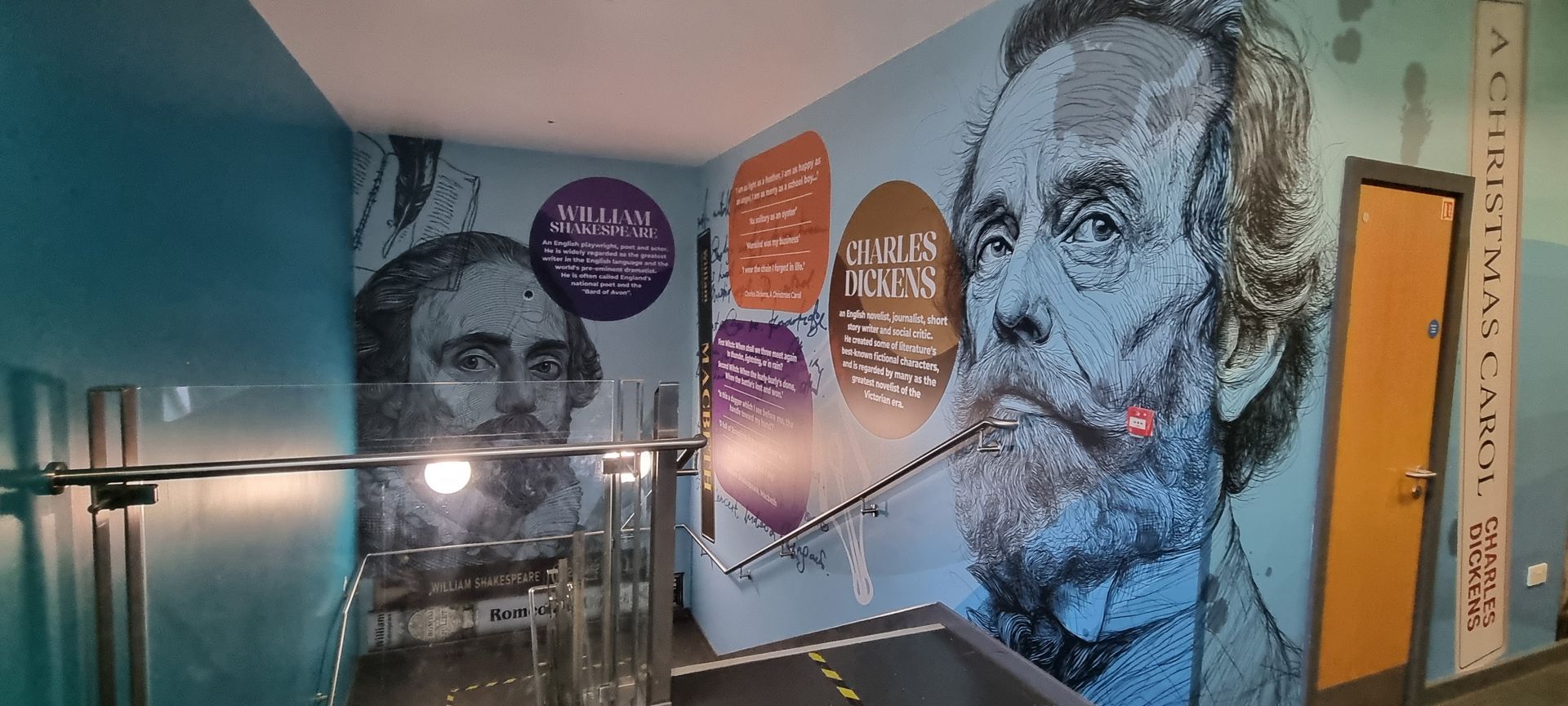
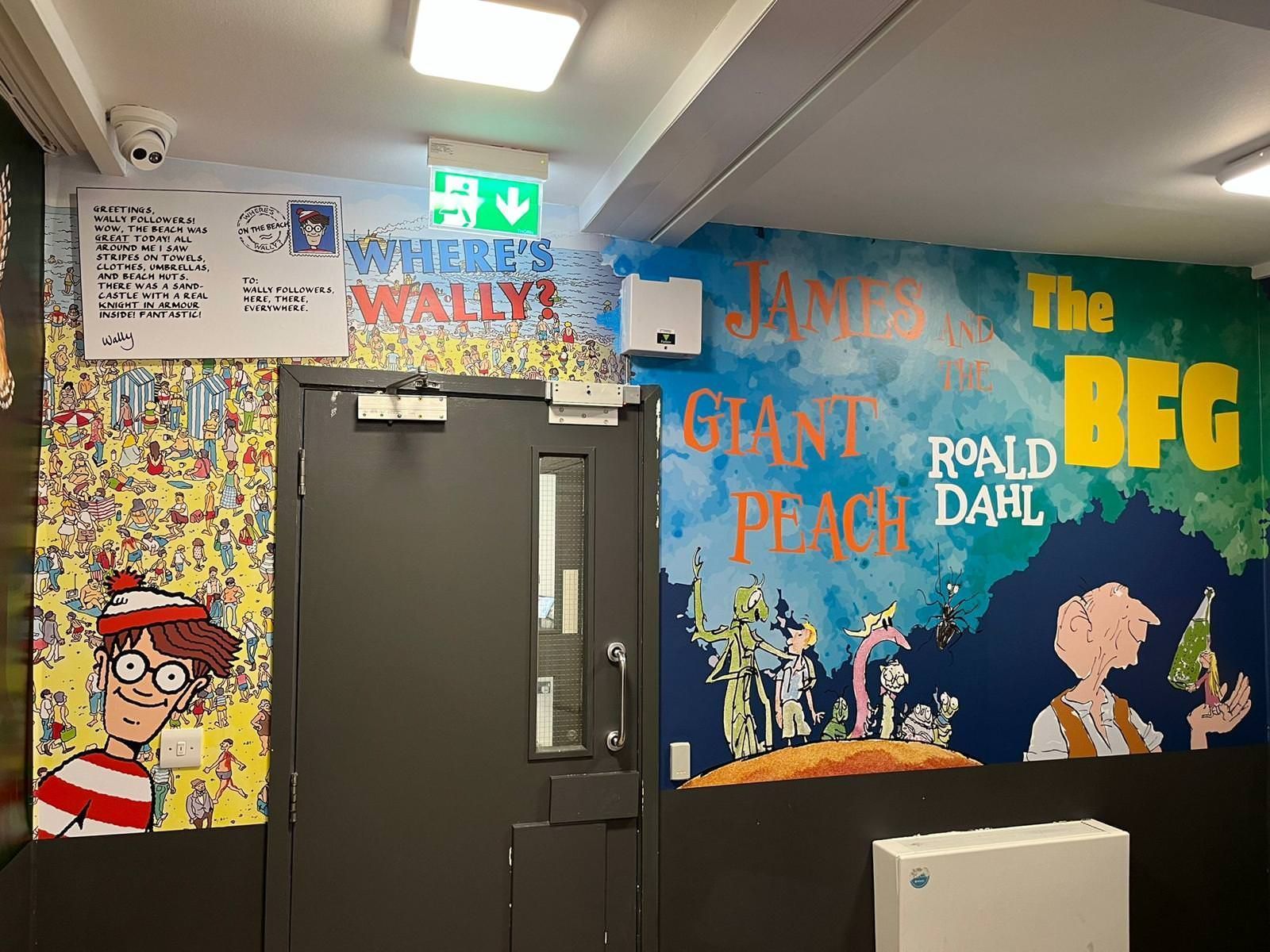
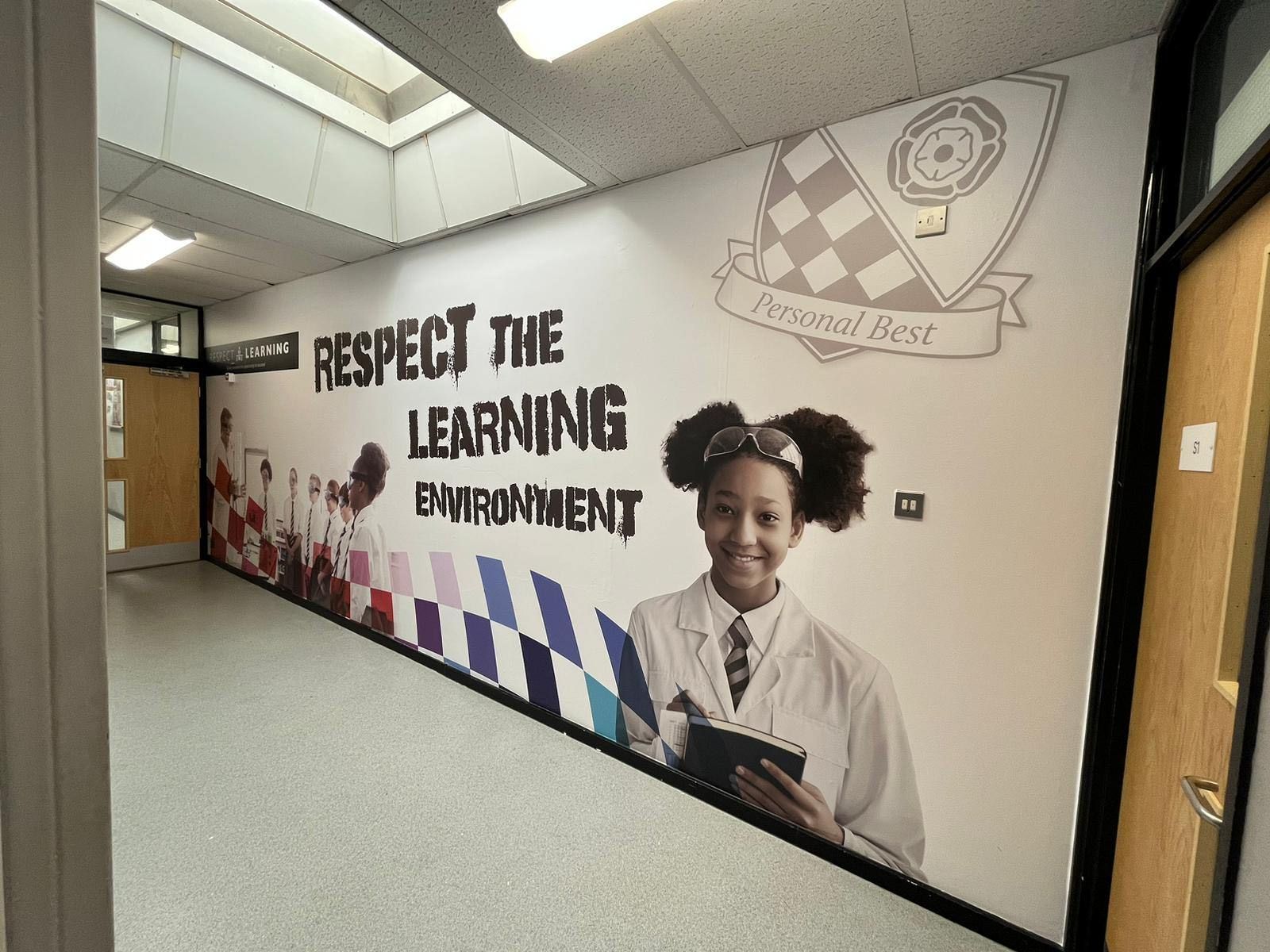
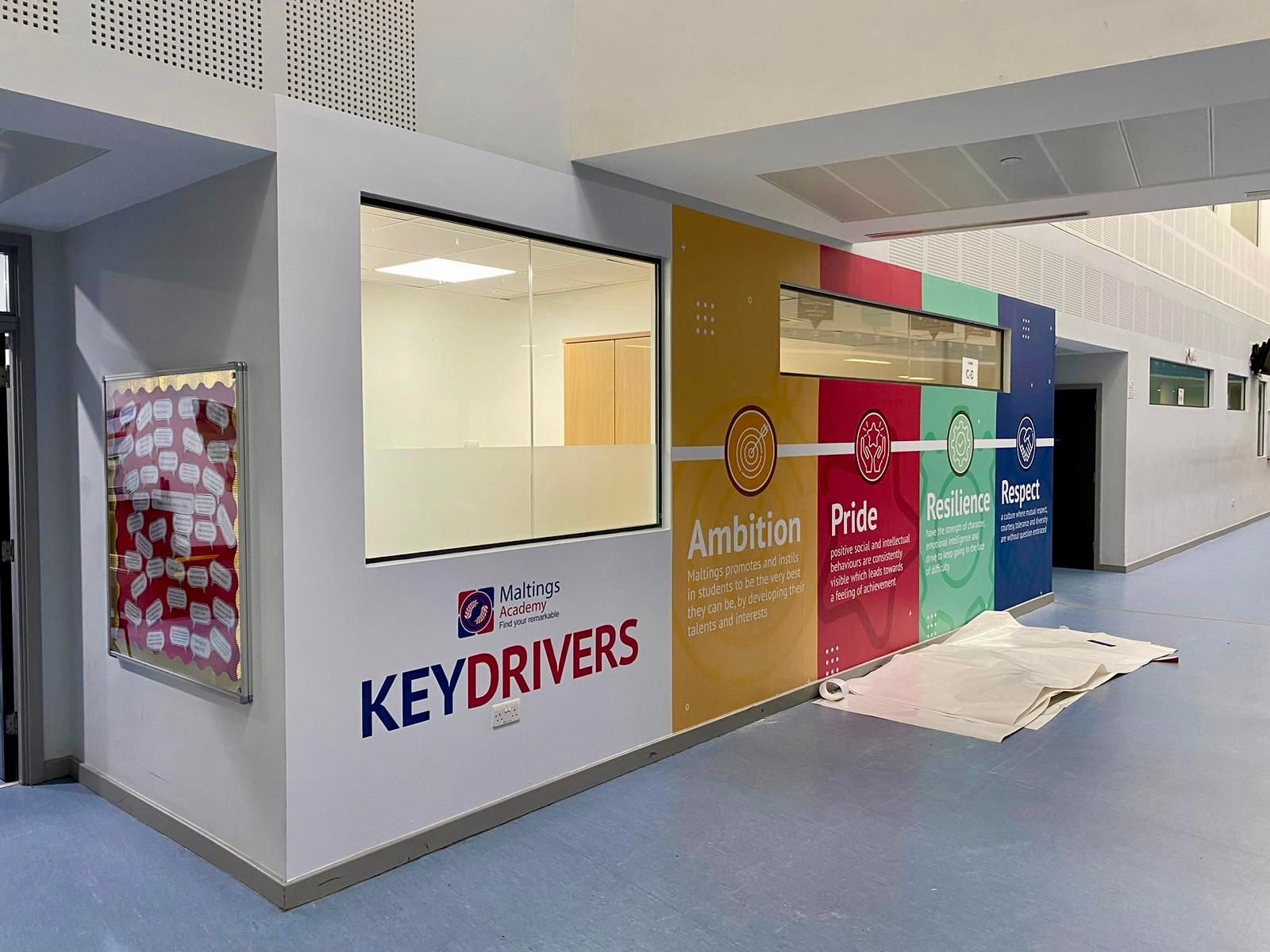
A reception wall can introduce your ethos. A corridor can give parents a glimpse of pupils’ learning and achievements. School wall graphics can help make those messages part of the building, not just a line in a prospectus.
Which parts of the school do parents notice on a visit?
Parents notice the spaces they use, wait in and pass through on the tour. The entrance and reception come first, but the corridor route matters too. Each area adds to the picture of daily school life, especially when it shows learning, pupil work and the character of your community.
A simple arrival route audit can reveal what needs attention:
- Start at the gate. Check that entrance and outdoor school signage is clear, accurate and easy to follow.
- Walk to reception as a visitor. Notice unclear turns, competing signs, clutter and anything that blocks a straightforward view of the desk.
- Pause at the welcome point. Ask whether the space feels warm, reflects your school and gives visitors a clear next step.
- Follow the usual tour route. Look at the walls and windows parents will see. Are displays current? Do they show pupils’ experiences and work?
- Compare it with your website. Check whether the colours, tone and messages feel like the same school.
For a short practical test, ask someone unfamiliar with the site to find reception without guidance. Their questions and hesitations can show you where clearer signage would help.
What should your school improve first?
Improve the route in the order parents experience it: entrance first, reception second, then the corridor used on the tour. Clear directions, a confident welcome and relevant displays will usually do more than scattering graphics across the building. Keep key sightlines open, make signs easy to read and put pupil-centred messages where visitors have time to notice them.
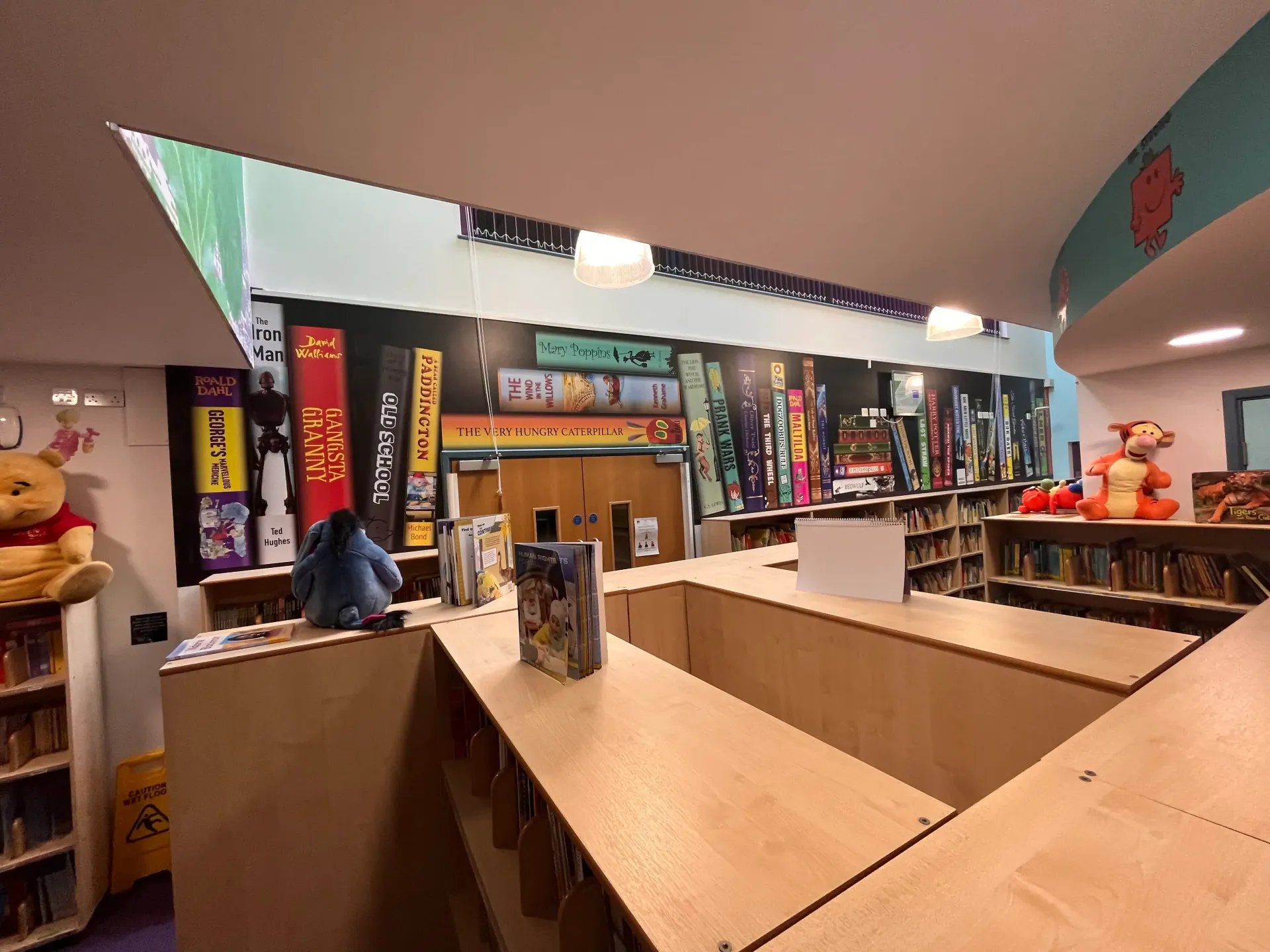
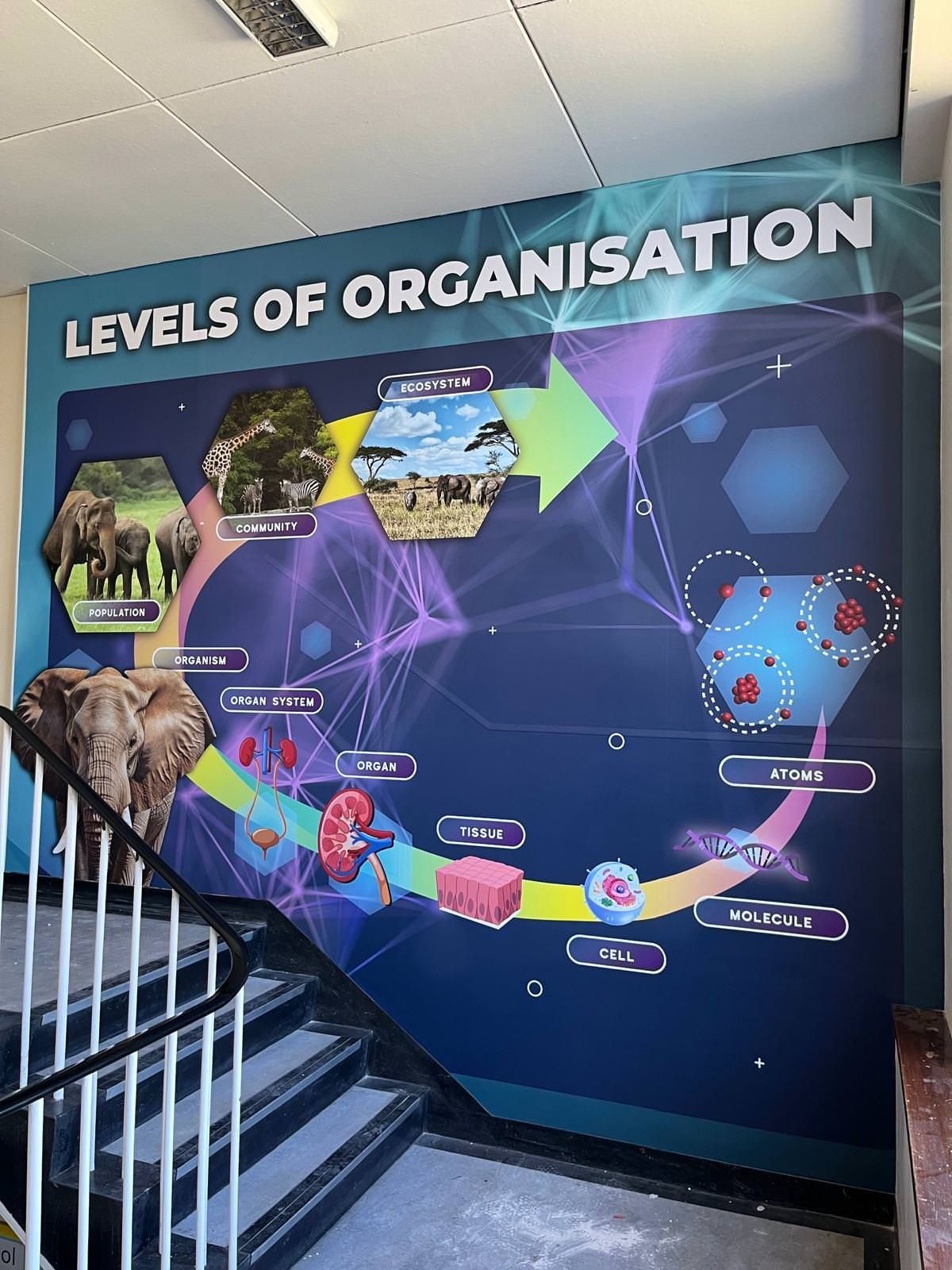
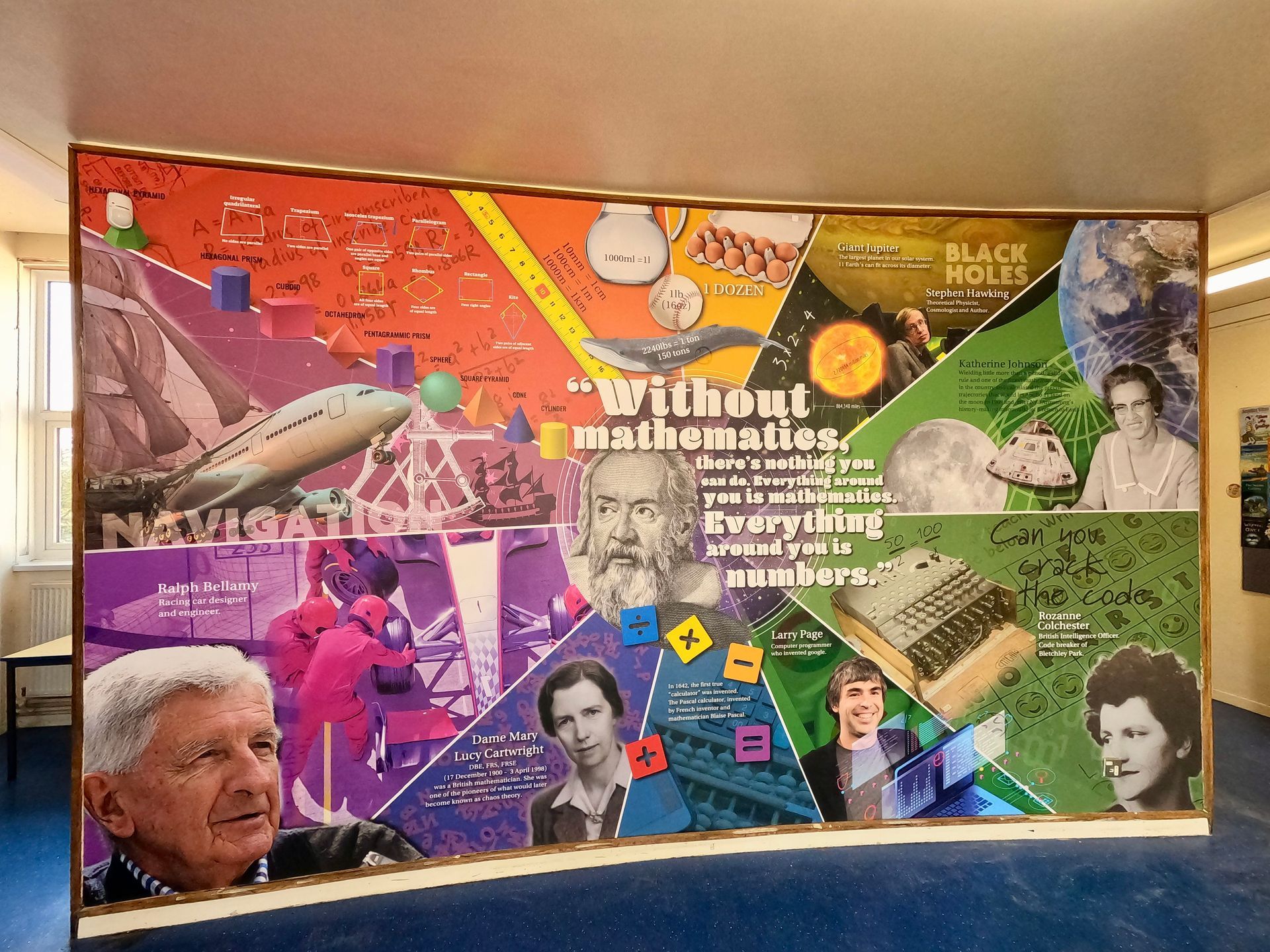
A welcome wall should do more than say “welcome”. It can bring together your identity, values and sense of belonging in a way that is easy to understand at a glance. Along the tour route, classroom wall displays, pupil work and wall art for schools can make the learning environment feel active and personal.
Use wall decals for schools where smaller messages or visual cues suit the space. Consider wall murals for schools where a larger wall can tell a clear story. The aim is not to fill every blank surface. It is to give each graphic a job, whether that is welcoming, guiding, celebrating or reinforcing your school’s character.
How should you brief a school graphics supplier?
Give a supplier a clear brief about the parent experience you want to create, the route visitors take and the surfaces available. Share your school’s values, branding and practical requirements, then ask how the design, materials, wall preparation and installation will work together. A good supplier should help you make choices that suit your building, not just offer a graphic in isolation.
Before agreeing a design, ask:
- What material do you recommend for these specific walls and windows?
- How will you check the surface and confirm it is suitable?
- What needs to be done if the wall is uneven, damaged or recently painted?
- How durable is the material, and what guarantee applies?
- Who is responsible for design, print and installation?
Site managers, caretakers and premises teams should check the proposed walls before installation. Look for peeling paint, dust, damp, loose plaster, cracks or uneven patches. Make sure repairs are complete and the surface is clean, dry and sound. If a wall has been freshly painted, ask the supplier how long it must cure before graphics are applied.
The material matters too. For example, Cubed Creative uses durable polymeric vinyl with a two-year guarantee. You can read more in our polymeric vinyl guide. For a wider view of how design, print and installation can fit together, see what an end-to-end school wall graphics service means.
How much should you budget for school wall graphics?
Budget depends on the project size, material, design and installation needs. The clearest way to plan is to have the walls assessed and get a project-specific quote, so you can compare the full scope, design, print and installation, rather than a price per metre alone.
Cubed Creative has 21 years of experience in education and provides design and print under one roof. We also offer free site visits, which can help your team assess the walls and discuss how the visitor route could work before settling on a design.
Arrange a free site visit to talk through the entrance, reception and tour route with a school graphics specialist. You can also explore our school wall graphics service.
We plant a tree for every project we complete.
What questions do schools ask about parents’ first impressions?
Parents’ first impressions are shaped by the whole arrival experience, not just one wall or sign. These answers cover the practical choices schools can make, from prioritising spaces to choosing graphics and preparing surfaces.
What do parents notice first when they visit a school?
Parents often notice how easy it is to find the entrance, whether the building feels cared for and whether reception is easy to identify. The welcome, signage, windows and first visible displays all help shape their initial impression.
Why do school entrances matter to prospective parents?
The entrance is where the school’s online promise meets the physical environment. A clear, welcoming arrival helps parents feel expected and gives them an early sense of the school’s identity and organisation.
Which areas should a school improve first?
Start with the gate and entrance signage, then reception, followed by the corridor used on tours. These are the spaces visitors experience in order, so improving them creates a more joined-up welcome.
What should school wall graphics communicate?
School wall graphics should communicate something genuine about the school, such as its values, identity, learning or community. They should also suit their location and purpose, rather than being added simply to fill empty wall space.
What should premises teams check before wall graphics are installed?
Site managers, caretakers and premises teams should check that the surface is clean, dry and sound. Peeling paint, damp, loose plaster and uneven patches should be addressed, and freshly painted walls should be fully cured as advised by the supplier.
How should schools budget for wall graphics?
Budget depends on the project size, material, design and installation needs. A project-specific quote covering the full scope, design, print and installation, gives the clearest picture. A free site visit is the practical first step.
Does Cubed Creative offer a free site visit?
Yes. Cubed Creative offers free site visits to help schools discuss their spaces, surfaces and project requirements. The team has 21 years of experience in education and provides design and print under one roof.
A free site visit is a useful next step if you want to review your arrival route and identify which walls could make the biggest difference.